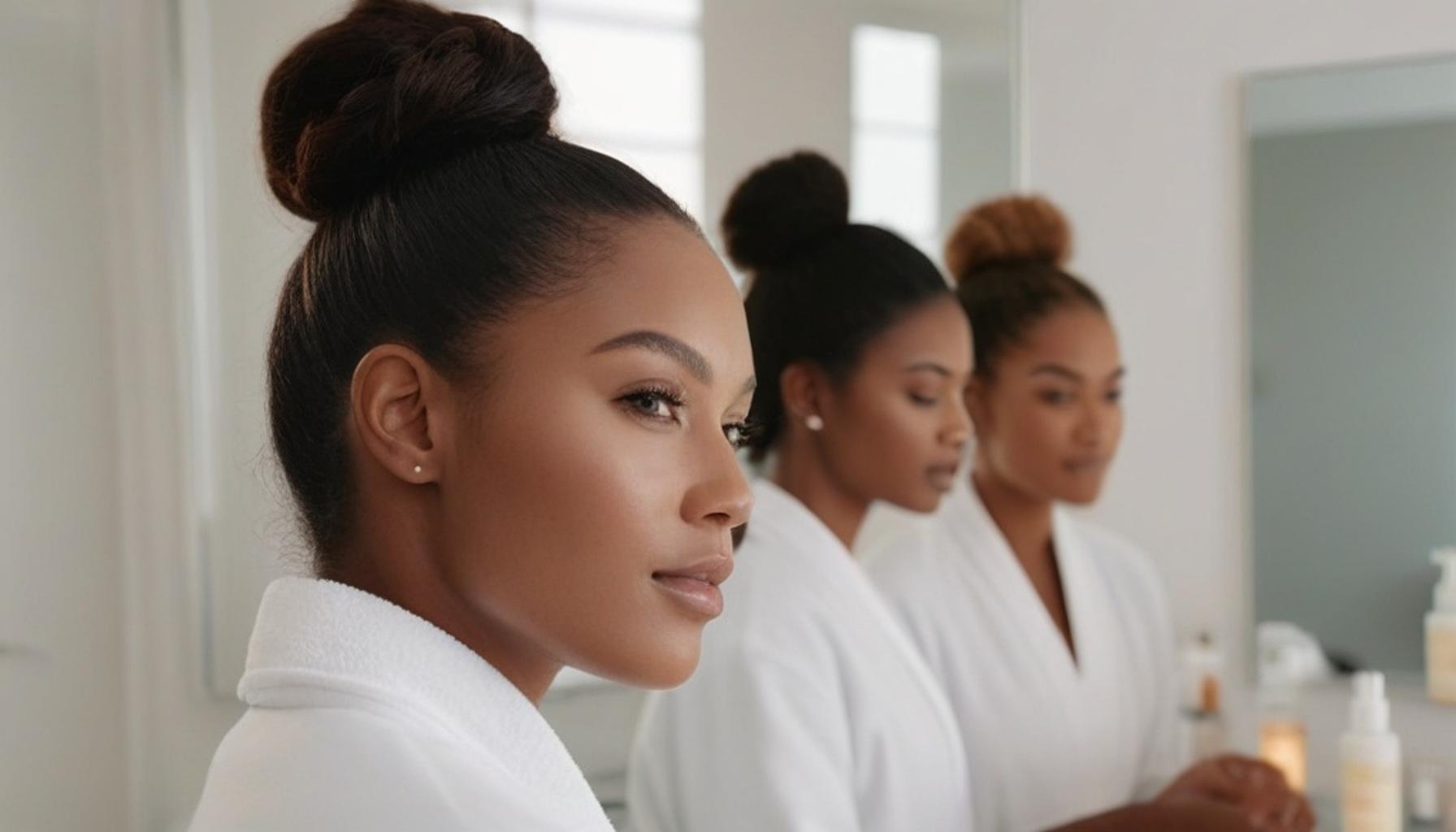
The Order of the Skincare Routine: How to Build Yours from Scratch

Why Skincare Routine Order Actually Matters
Walk into any Target or Sephora in the United States, and you will find shelves packed with serums, toners, and creams promising flawless skin. But here is the catch: even the best products can fail if applied in the wrong sequence.
That is because skincare routine order determines how well your skin absorbs active ingredients. Layering products incorrectly can block penetration, reduce effectiveness, or even trigger irritation.
Dermatologists agree that the right sequence is just as important as the products themselves. A 2022 survey by the American Academy of Dermatology found that over 60% of adults in the U.S. use at least three skincare products daily, yet many admit confusion about the correct order.
Think about it this way: applying a heavy moisturizer before a lightweight serum is like trying to water a plant through a plastic sheet. The moisture simply cannot reach where it needs to go. This is not just a cosmetic inconvenience, it is a chemistry problem. Products formulated with different molecular weights and textures are designed to be layered in a specific order, from thinnest to thickest, to allow each ingredient to do its job properly.
Consider the popularity of vitamin C serums, retinol treatments, and hyaluronic acid, three staples found in nearly every American bathroom cabinet. Each of these ingredients behaves differently on the skin. Vitamin C works best in the morning under sunscreen to fight free radicals, while retinol is typically reserved for nighttime use because it increases sun sensitivity. Applying them in the wrong order, or at the wrong time of day, can cancel out their benefits entirely or, worse, cause redness and peeling.
Skincare brands rarely explain this on packaging, leaving consumers to piece together information from social media influencers, dermatologist interviews, and sometimes conflicting advice. This creates a gap between having good products and actually seeing results.
What You Will Discover in This Guide
- How to build a skincare routine from the ground up, even as a beginner
- The correct skincare products order for morning and night routines
- Essential steps for skincare routine success, from cleansing to sunscreen
- Why understanding your skin type and routine needs go hand in hand
- The best skincare routine for beginners looking to simplify without sacrificing results
Whether you are starting fresh or rebuilding a routine that is not working, this guide breaks down the science and strategy behind every step. No more guesswork, just a clear path to healthier, more radiant skin.
YOU MAY ALSO LIKE: Tips for Choosing the Ideal Sunscreen: Beauty and Skin Care Habits
The Science Behind the Sequence: Texture, Absorption, and Timing
Before you can master how to build a skincare routine, it helps to understand what is actually happening on your skin’s surface. Every product you apply has a molecular weight and a texture profile that dictates how deeply it can penetrate. Skip the logic, and you are essentially wasting money on products that never reach the layers of skin where they are supposed to work.
Dermatologists often describe this process using a simple rule: apply products from thinnest to thickest consistency. A watery essence goes on before a gel, and a gel goes on before a cream. This is not an arbitrary suggestion, it is rooted in how skin absorbs substances. Thicker formulas create a barrier, so if applied first, they prevent thinner, active-rich products from penetrating at all.
Think about the skin the way you might think about painting a fence in your backyard. If you slap on a thick coat of sealant first, any stain or primer you try to add afterward simply beads up and slides off. Skin behaves in a remarkably similar way. Molecules need an open path, and once that path is blocked by an occlusive layer, everything else becomes surface-level decoration rather than active treatment.
Why the Correct Skincare Products Order Prevents Waste and Irritation
Consider a common mistake seen across American bathroom counters: applying sunscreen before a hydrating serum. Once sunscreen sets, it forms a protective film on the skin. Anything applied afterward simply sits on top, unable to absorb properly. That expensive hyaluronic acid serum? It is not doing much at that point.
Getting the skincare routine order right also minimizes the risk of irritation, particularly when using active ingredients like retinoids, exfoliating acids, or vitamin C. Layering these incorrectly, or combining ones that should not be used together, can cause redness, breakouts, or peeling. Dermatology clinics from Los Angeles to New York routinely report patients showing up with irritation that traces back not to a bad product, but to a bad sequence.
To simplify this, dermatologists commonly recommend the following general order for most routines:
- Cleanser, to remove dirt, oil, and residue
- Toner or essence, to balance pH and prep the skin
- Serum, to target specific concerns like dark spots or fine lines
- Eye cream, for the delicate under-eye area
- Moisturizer, to lock in hydration
- Sunscreen, as the final step in the morning routine
This sequence is not set in stone for every single formula, but it reflects the foundational logic that guides most professional recommendations. Understanding this structure is the first real step for skincare routine success, especially for beginners overwhelmed by too many products and not enough guidance. Walk into any drugstore in the United States, and the sheer number of bottles promising glowing, clearer, or firmer skin can feel paralyzing without this kind of roadmap.
Knowing your skin type and routine compatibility adds another layer of precision. Oily skin may benefit from lighter gel-based products earlier in the sequence, while dry skin often needs richer creams layered strategically to seal in moisture. Combination skin, extremely common among adults dealing with shifting seasons and indoor heating, may require zone-specific application, applying lighter formulas on the T-zone and richer ones on the cheeks.
There is no universal formula, but there is a universal principle: order affects outcome. Once that principle clicks, choosing products becomes less about chasing trends and more about building a system that actually delivers results, layer by layer, morning and night.

Skincare Routine Order: Step-by-Step Breakdown
Understanding the correct skincare routine order is essential when learning how to build a skincare routine that actually delivers results. Below is a quick-reference table outlining the steps for skincare routine success, tailored to different skin type and routine needs.
| Routine Step | Key Benefit |
|---|---|
| Cleanser | Removes oil, sweat, and pollutants before deeper treatment |
| Toner/Essence | Balances pH and preps skin for better absorption |
| Serum | Targets specific concerns like dark spots or fine lines |
| Moisturizer | Locks in hydration and strengthens skin barrier |
| Sunscreen (AM) | Protects against UV damage, the top cause of premature aging |
This skincare products order follows a golden rule: thinnest to thickest consistency. Skipping steps or applying them incorrectly can reduce effectiveness by up to 40%, according to dermatological studies.
For those exploring the best skincare routine for beginners, starting with just four products—cleanser, serum, moisturizer, and sunscreen—often yields noticeable improvements within three to six weeks.
LEARN MORE: How to Create a Morning Skincare Routine for Dry Skin
Morning Versus Night: Adjusting the Sequence for Different Goals
A skincare routine order is never truly static. What works at 7 a.m. before heading out into UV exposure is not the same logic that applies at 10 p.m. when skin shifts into repair mode. Morning routines exist to protect, while night routines exist to restore. Treating both halves of the day identically is one of the most overlooked mistakes among people learning how to build a skincare routine for the first time.
During daylight hours, the priority is defense. Antioxidant serums, particularly those with vitamin C, are typically applied early because they help neutralize free radical damage from pollution and sun exposure. Cities like Miami or Phoenix, where UV index levels frequently spike above 8 during summer months, make this step especially relevant for residents who spend real time outdoors.
Building the Best Skincare Routine for Beginners After Dark
Nighttime flips the priority toward cellular turnover. This is when retinoids, peptides, and richer treatment creams tend to do their heaviest lifting, since skin naturally regenerates faster during sleep. Applying retinol in the morning without adequate sun protection, for instance, can increase photosensitivity, which is exactly why dermatologists in sun-heavy states like California and Texas often stress saving these actives for the evening.
For someone assembling the best skincare routine for beginners, a simplified night structure might look like this:
- Double cleanse to remove makeup, sunscreen, and daily buildup
- Treatment serum, such as retinol or a peptide complex
- Spot-targeted eye cream
- Heavier night moisturizer or sleeping mask
Notice sunscreen disappears entirely from this list. It has no functional role once the sun sets, yet surveys from skincare brands have found a surprising number of consumers still layering SPF products at night out of habit, essentially wasting a step that offers zero benefit after dark.
Adjusting the Steps for Skincare Routine Based on Climate and Season
Geography plays a bigger role than most people expect. Someone living through a dry Colorado winter may need to reorder or add hydrating layers that a person in humid New Orleans would find suffocating. The steps for skincare routine success are not just about product type, they are about environmental responsiveness.
Humidity levels below 40 percent, common in many indoor heated homes during winter, often strip moisture faster than skin can replenish it naturally. In these conditions, adding a hydrating layer between toner and serum can prevent the tightness many people mistake for simple dryness.
This is where skin type and routine planning becomes dynamic rather than fixed. Oily skin in July might tolerate a lightweight gel moisturizer just fine, but that same skin in January, sitting under dry indoor heating for eight hours a day, may suddenly need a slightly richer formula layered in the same sequence position. The order stays logical, but the products filling each step should shift with the seasons, not remain frozen year-round out of habit.
SEE ALSO: The Best Skincare Tips for Beginners: How to Choose Sunscreen by Skin Type in 2026
Bringing the Sequence Together: Final Thoughts on Skincare Structure
Getting the skincare routine order right is less about memorizing a rigid checklist and more about understanding why each layer exists in the first place. Cleanser removes barriers, toner preps, serums treat, moisturizer seals, and sunscreen defends. Once that logic clicks, adapting to mornings, evenings, or a sudden move from humid Florida to dry Nevada becomes far less intimidating.
Anyone still wondering how to build a skincare routine that actually holds up over time should remember that consistency matters more than complexity. A five-step routine followed correctly every day will typically outperform a ten-step routine applied haphazardly. Dermatology clinics across the country continue to report that patient frustration often traces back not to poor products, but to poor sequencing.
Getting the skincare products order right also saves money. Serums applied after heavy creams rarely penetrate, meaning consumers may be wasting active ingredients they already paid for.
The steps for skincare routine success discussed throughout this piece all point to one conclusion: skin is not static, and neither should the approach to caring for it be. Seasonal shifts, geographic humidity, and even age-related changes in oil production all demand periodic reassessment.
For beginners, starting simple remains the safest path. The best skincare routine for beginners is one that can realistically be maintained for months, not just days. Layer by layer, understanding skin type and routine compatibility turns skincare from guesswork into something closer to a science, one that rewards patience, observation, and a willingness to adjust as conditions change.
Frequently Asked Questions
What is the correct skincare routine order for morning versus night?
In the morning, follow cleanser, toner, serum, moisturizer, and sunscreen, since sun protection is essential during the day. At night, skip sunscreen and instead focus on cleanser, toner, treatment serums (like retinol), and a richer moisturizer to support skin repair while you sleep. The general rule is to move from thinnest to thickest texture in both routines.
Should I apply vitamin C before or after moisturizer?
Vitamin C should be applied before moisturizer, right after cleansing and toning, since it’s typically a lightweight serum that needs to absorb into clean skin. Applying it under moisturizer helps lock in its antioxidant benefits and protects skin from environmental damage throughout the day. Always let it dry for a minute or two before layering your next product.
Where does sunscreen fit in a skincare routine order?
Sunscreen should always be the last step in your morning skincare routine, applied after moisturizer and before makeup. This ensures it sits on top of the skin to form an effective protective barrier against UV rays rather than being diluted or blocked by other products. Skipping this order can significantly reduce its effectiveness.
Can I use retinol and exfoliating acids in the same routine?
It’s best to avoid using retinol and strong exfoliating acids like AHAs or BHAs on the same night, since combining them can cause irritation, redness, and a compromised skin barrier. Instead, alternate them on different nights or use one in the morning and the other at night. If you’re new to actives, introduce them separately and give your skin time to adjust.
How long should I wait between each skincare step?
Waiting about 30 to 60 seconds between applying serums and treatments allows each product to absorb properly before the next layer is added. Thicker products like moisturizers and sunscreen can be applied once the previous step feels dry to the touch. Rushing through steps can reduce product effectiveness and lead to pilling on the skin.

Anna Parker
Anna Parker is a writer and beauty expert specializing in skincare routines, cosmetic ingredients, and holistic self-care practices. With extensive experience helping individuals achieve healthy, radiant skin and make informed beauty choices, Anna shares her knowledge on our platform.