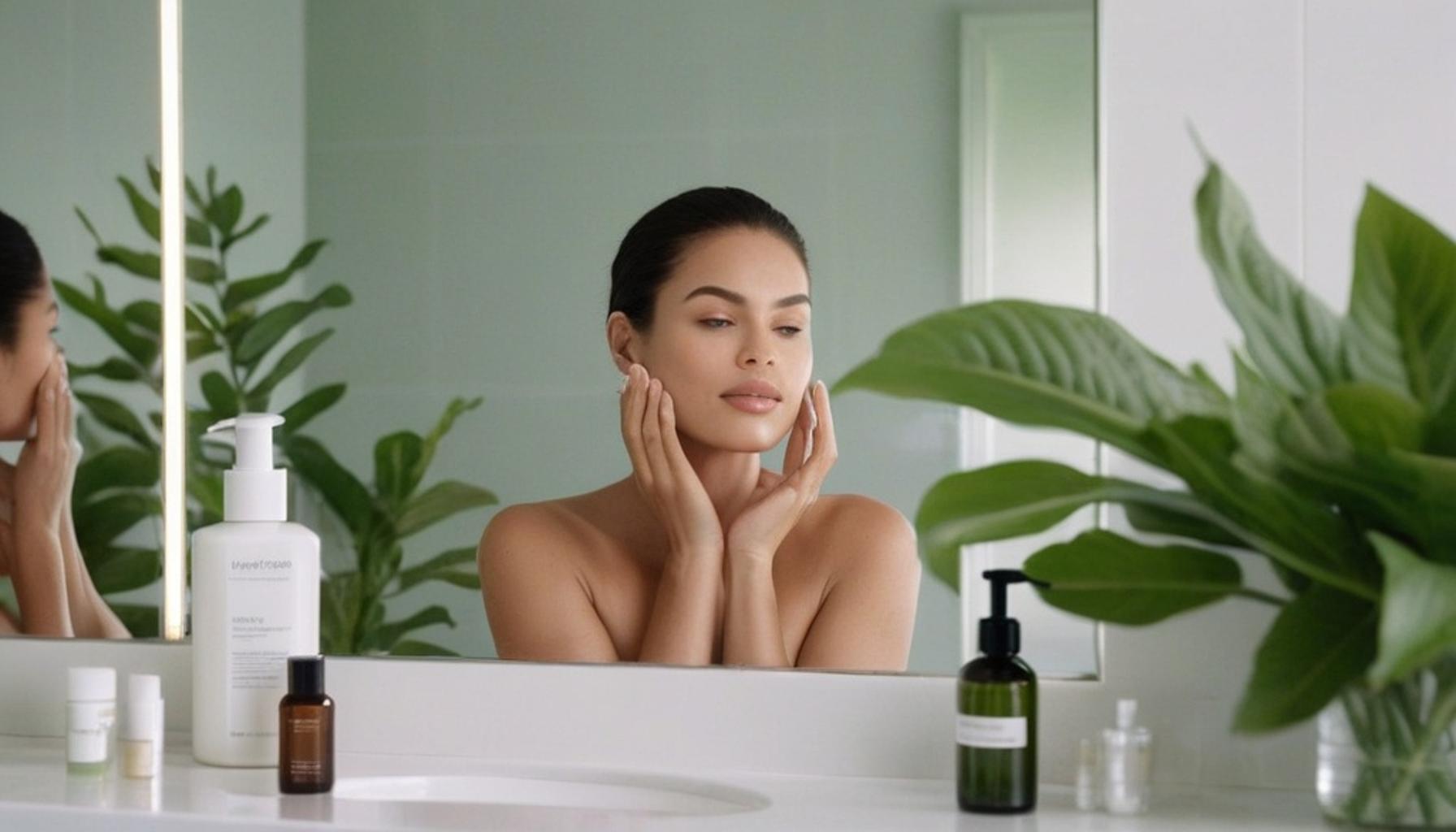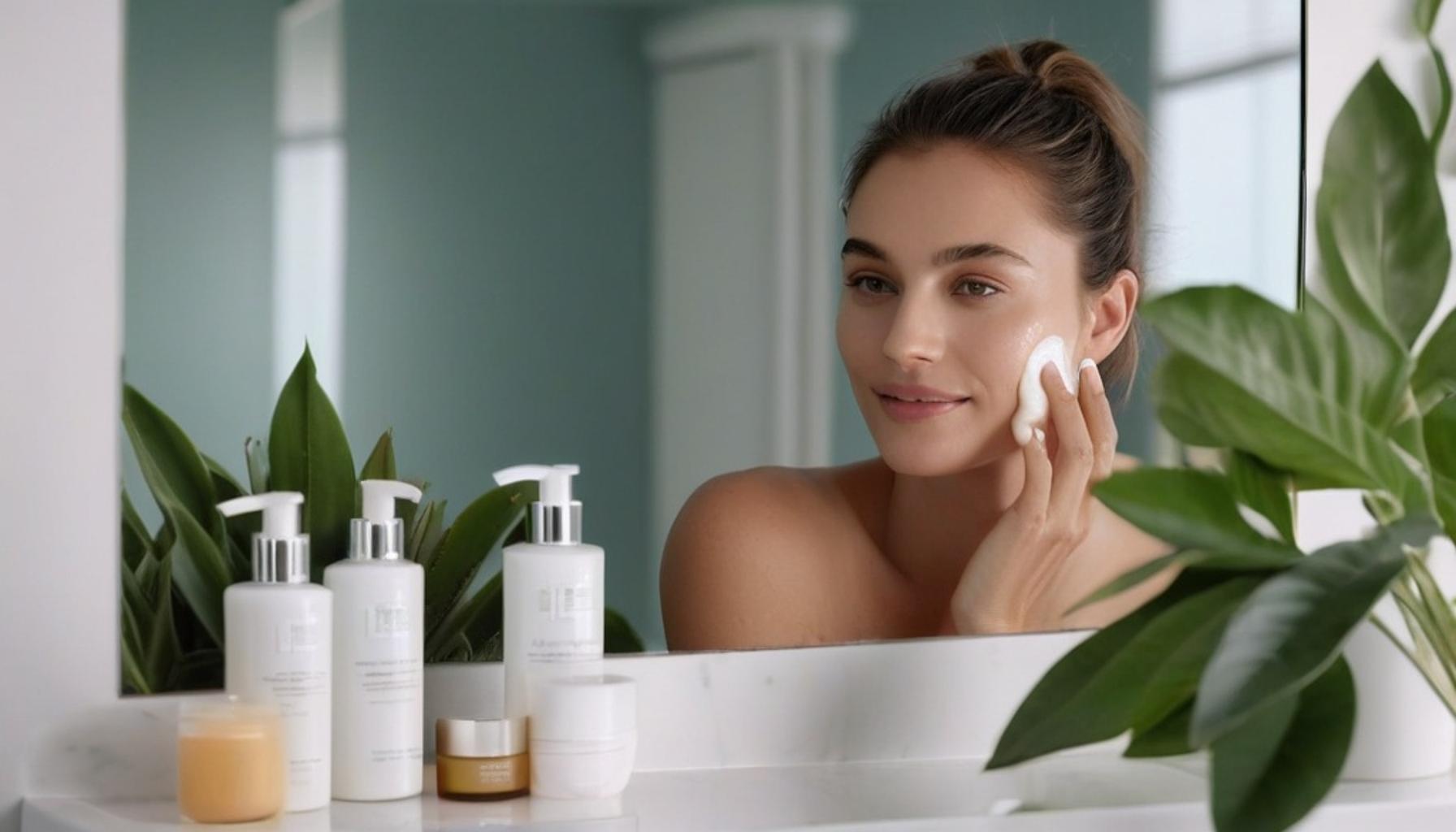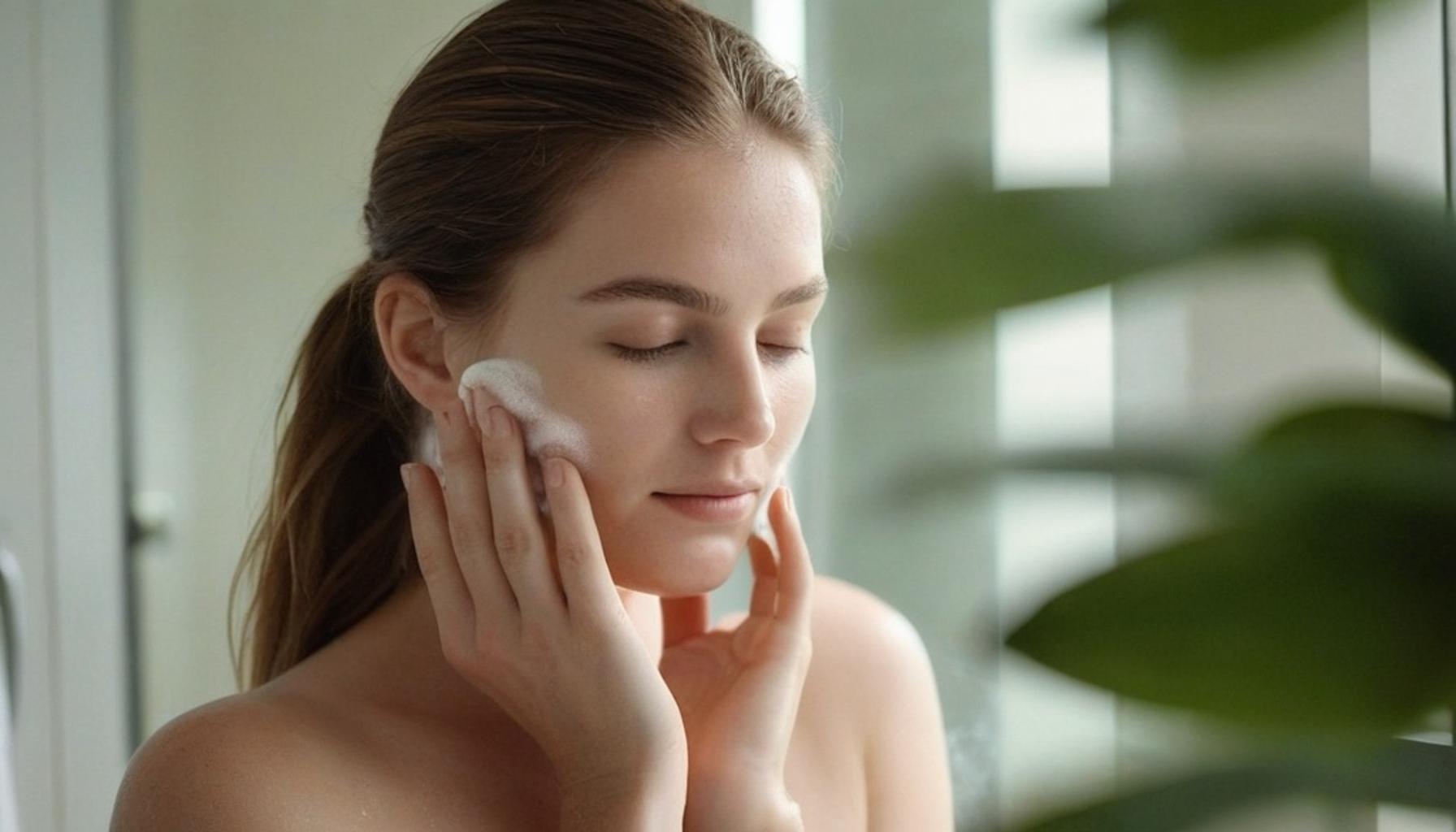
Toner vs Essence: Understanding the Essentials for a Natural Makeup Look and Healthy Beauty Habits
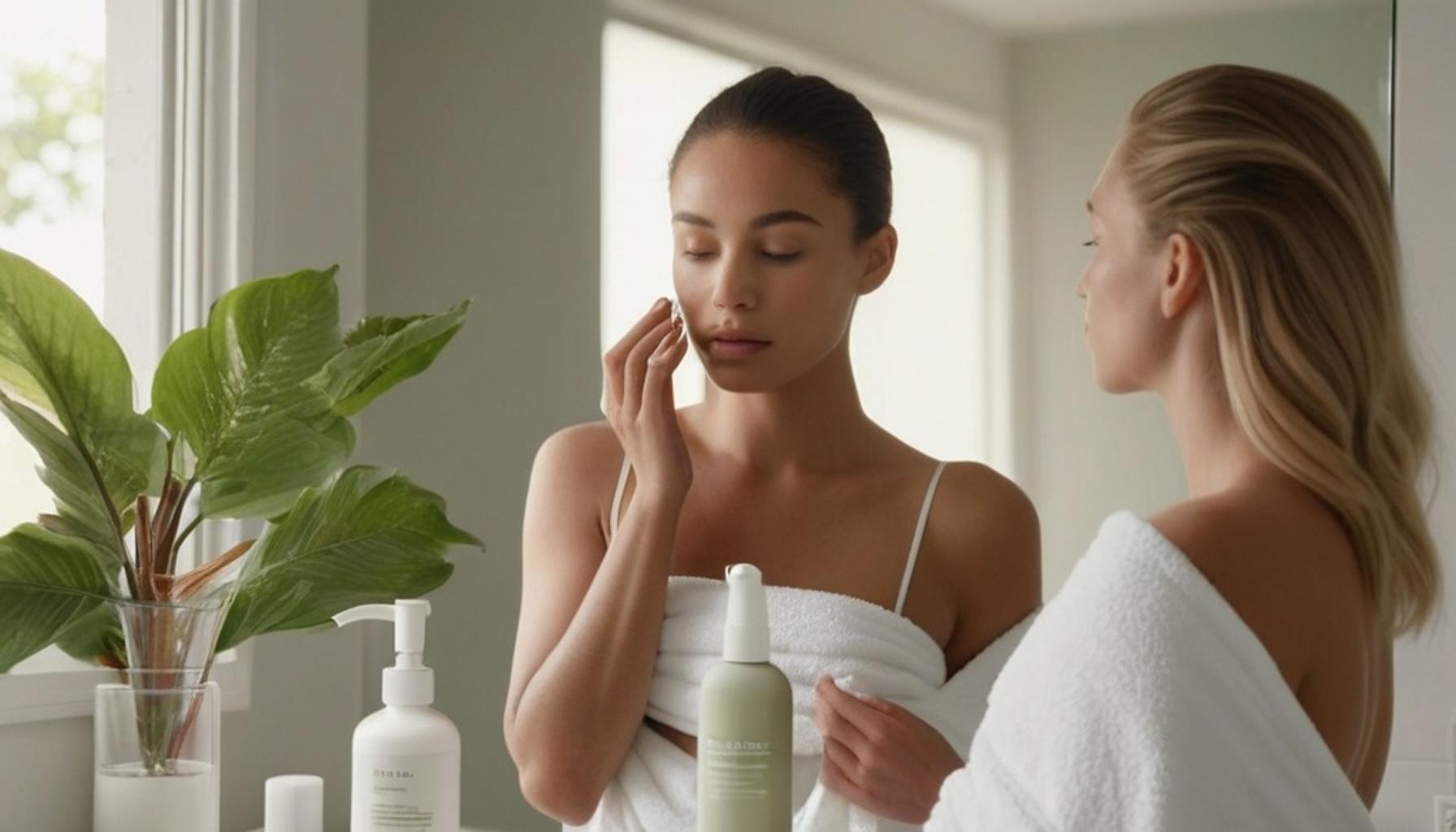
Toner vs Essence: The Skincare Debate Behind Every Flawless Base
Walk down the skincare aisle at any Sephora or Ulta in the United States, and you will likely notice two products causing confusion among beauty enthusiasts: toners and essences. Both promise glowing, hydrated skin, but their roles are often misunderstood. Understanding Toner vs Essence could be the missing piece in your routine.
This is not just a matter of semantics. The right choice between these two products can directly influence how smoothly your foundation applies and how long your natural makeup look lasts throughout the day.
Why This Comparison Matters Now
American consumers spent over $18 billion on skincare in 2023 alone, with hybrid Korean-inspired routines gaining massive popularity. Toners and essences are central to that K-beauty influence, yet many shoppers still ask: what is a toner, and what is an essence, exactly?
- Toner: Traditionally used to balance skin pH and remove residual impurities.
- Essence: A lightweight, concentrated layer designed to deliver deep hydration and active ingredients.
- Application order: Toner typically comes first, essence follows, before serums and moisturizers.
Knowing the benefits of toner and the benefits of essence separately helps build smarter, more effective healthy beauty habits. It also prevents the common mistake of layering products with overlapping functions.
Breaking Down the Ingredients
Modern toners have evolved far beyond the astringent, alcohol-heavy formulas many remember from drugstore shelves in the 1990s. Today’s versions often include witch hazel, niacinamide, or glycolic acid, targeting everything from oil control to gentle exfoliation. Meanwhile, essences typically feature fermented extracts, hyaluronic acid, or peptides, ingredients popularized by brands like Missha and SK-II, whose Facial Treatment Essence became a cult favorite among American consumers seeking that coveted “glass skin” effect.
The texture difference is noticeable too. Toners tend to feel watery and are usually swept across the face with a cotton pad, while essences have a slightly thicker, almost syrupy consistency, absorbed by patting gently into the skin. This distinction matters because essences are formulated to penetrate deeper layers of the epidermis, delivering active ingredients more efficiently than a traditional toner ever could.
How This Impacts Your Makeup Routine
For anyone chasing a dewy, long-lasting base, the sequence and choice between these products can make or break foundation application. Skipping essence, for instance, might leave skin slightly under-hydrated, causing makeup to cling to dry patches. Conversely, overusing toner with active acids right before applying makeup could increase sensitivity or redness.
In the sections ahead, we will break down ingredients, application techniques, and how each product supports a dewy, makeup-ready complexion. The details might reshape the way you approach your daily routine entirely.
SEE ALSO: How to Choose Sunscreen for Your Skin Type: Easy Beginner Guide 2026
The Science Behind Skin pH and Why It Shapes Your Routine
Before diving deeper into product comparisons, it helps to understand the biology at play. Human skin has a natural pH level between 4.5 and 5.5, slightly acidic by design. This acidity forms what dermatologists call the “acid mantle,” a protective barrier that wards off bacteria and environmental pollutants. Without this layer functioning properly, skin becomes far more vulnerable to everyday aggressors, from smog in Los Angeles to humidity swings in New Orleans.
Cleansers, especially foaming or sulfate-based formulas common in American drugstores, often disrupt this balance, pushing skin toward a more alkaline state. Some studies suggest that alkaline cleansers can shift skin pH as high as 7 or 8 temporarily, which may take hours to normalize on its own. This is precisely where the Toner vs Essence conversation becomes relevant again. A well-formulated toner can help restore that acidic equilibrium almost immediately after cleansing, essentially shortening the recovery window your skin needs to defend itself.
What Happens When pH Balance Is Ignored
Skipping this step is not just a minor oversight. Estheticians across the country report that clients who neglect toning often experience a cascade of avoidable issues. These are not rare complaints, either, but recurring patterns seen in skincare consultations nationwide.
- Increased sensitivity to environmental irritants and pollution.
- Higher likelihood of clogged pores due to residual cleanser buildup.
- Uneven makeup application caused by fluctuating oil production.
- Faster breakdown of foundation throughout the day, especially in humid climates like Florida or Texas.
Understanding what is a toner in this context reframes it not as an optional extra, but as a corrective step that prepares skin for everything applied afterward. Think of it less as a cosmetic ritual and more as damage control, quietly working to undo the disruption caused by cleansing before it snowballs into visible problems days or weeks later.
Essence as the Bridge Between Treatment and Hydration
If toner resets the skin, essence builds upon that foundation by delivering concentrated nourishment. Many consumers still ask what is an essence exactly, and the confusion is understandable given how recently this category expanded in Western markets. Essences occupy a strange middle ground, thinner than a serum yet more active than a toner, which makes them tricky to categorize using traditional American skincare vocabulary.
Unlike serums, which usually target one specific concern such as dark spots or fine lines, essences are formulated as multitasking hydrators. Brands like Laneige and Cosrx have gained traction in the United States specifically because their essences combine humectants with mild active ingredients, offering both immediate plumpness and long-term skin resilience. Ingredients such as fermented extracts, hyaluronic acid, and niacinamide frequently appear in these formulas, each contributing something slightly different to overall skin texture.
The benefits of essence become especially noticeable in drier climates, such as Arizona or Colorado, where an extra hydration layer can prevent makeup from settling into fine lines by midday. This single addition often determines whether a natural makeup look stays fresh through a nine-to-five workday or starts breaking down by lunchtime, a distinction that many users notice almost immediately once they incorporate this step consistently.
CHECK OUT: A Beginner’s Guide to Building a Morning Skincare Routine for Dry Skin
Layering Order and Why Sequence Changes Everything
Once the distinction between these two products is clear, the next question that comes up in nearly every skincare forum is sequencing. Does toner go before essence, or is it the other way around? This detail matters more than most people assume, and getting it wrong can quietly undermine an otherwise solid routine.
The general rule followed by dermatologists and Korean beauty experts alike places toner immediately after cleansing, with essence following as the next layer. The logic is straightforward: toner preps and balances, essence hydrates and treats. Applying essence first would mean nourishing ingredients land on skin that has not yet had its pH corrected, reducing how effectively those ingredients absorb.
A Simple Framework for Ordering Products
For anyone rebuilding their routine from scratch, this sequence offers a reliable starting point that works across most skin types found in the United States, from oily combination skin common in humid Southern states to drier skin typical in mountain regions like Utah.
- Cleanser to remove makeup, sweat, and daily grime.
- Toner to restore the acid mantle and prep skin for absorption.
- Essence to deliver concentrated hydration and lightweight active ingredients.
- Serum for targeted concerns such as brightening or fine lines.
- Moisturizer to lock everything in before makeup application.
This structure is not arbitrary. It mirrors how Korean skincare brands designed their product lines, and it explains why the Toner vs Essence debate often resolves itself once people realize these are sequential steps rather than competing choices.
How This Routine Supports a Natural Makeup Look
American beauty trends have shifted noticeably toward minimal, skin-forward makeup over the past several years. Sales data from major retailers like Sephora and Ulta show rising demand for tinted moisturizers and skin tints instead of full-coverage foundation, a trend directly tied to how well-prepped skin looks underneath lighter products.
This is where the combined benefits of toner and essence become most visible. Balanced, hydrated skin reflects light more evenly, reducing the need for heavy concealer or blurring primer. Makeup artists working in cities like Nashville and Austin frequently mention that clients who maintain consistent toning and essence habits require noticeably less product to achieve an even complexion on camera or in daylight.
Building Habits That Actually Last
Consistency matters more than product price when it comes to lasting results. Dermatological research consistently shows that skin barrier improvements from proper hydration layering take several weeks of regular use, not overnight application, to become visible.
Establishing healthy beauty habits around this two-step process does not require expensive imports or complicated routines. It simply requires understanding why each product exists and applying them in the correct order, consistently, regardless of whether mornings feel rushed or unpredictable.
RECOMMENDED: How to Choose the Right Sunscreen: Essential Tips for Every Beauty Routine
Rethinking the Toner vs Essence Question
The Toner vs Essence conversation was never really about picking a winner. Once broken down, these two products serve distinct purposes that complement rather than compete with each other, and skipping either one leaves a gap in how skin absorbs everything applied afterward.
Understanding what is a toner versus what is an essence clarifies why dermatologists rarely recommend choosing one over the other. Toner resets the skin’s surface; essence feeds it. Together, they form a bridge between cleansing and treatment that most routines quietly depend on.
Small Steps, Measurable Payoff
The benefits of toner and the benefits of essence compound over time rather than appearing after a single use. Dermatology clinics across the country, from Miami to Seattle, report that patients who stick with layered hydration for six to eight weeks see fewer breakouts and smoother texture, regardless of climate or skin type.
That consistency is also what makes a natural makeup look achievable without relying on heavy coverage. Skin that is properly balanced and hydrated simply needs less correction, which explains why so many makeup artists point back to skincare, not cosmetics, as the real foundation.
- Toner restores pH balance and preps skin for absorption.
- Essence delivers lightweight hydration and active ingredients.
- Together, they reduce the need for heavy makeup coverage.
- Results build gradually with consistent, correct-order application.
Building healthy beauty habits does not require an overhaul of every product on the bathroom shelf. It requires understanding sequence, purpose, and patience. For anyone still deciding where to start, the answer is simpler than the debate suggests: use both, in order, and give the process time to show its results.
Frequently Asked Questions
What is the main difference between toner and essence in a skincare routine?
Toner is typically a lightweight, water-based liquid used right after cleansing to remove residue, balance pH, and prep skin for better product absorption. Essence is a more concentrated, nutrient-rich treatment applied after toner that focuses on hydration, brightening, and cell renewal to boost the effectiveness of serums and moisturizers that follow. Essentially, toner preps and refines, while essence treats and nourishes.
Should I use both toner and essence, or just pick one for a natural makeup look?
For the best natural makeup base, using both is ideal since toner clears away debris and tightens pores while essence deeply hydrates and smooths texture, creating a flawless canvas for makeup. If you have to choose one, opt for essence since it delivers more active ingredients and long-lasting hydration, which helps makeup sit better and last longer. Layering both, however, gives skin the most balanced prep for a dewy, natural finish.
In what order should I apply toner and essence for healthy skin habits?
The correct order is cleanser, then toner, followed by essence, and finally serums and moisturizer to lock in hydration. Applying toner first helps remove any leftover impurities and preps skin to better absorb the essence’s active ingredients. Skipping this order can reduce the effectiveness of both products and compromise your skin’s ability to retain moisture throughout the day.
Can toner and essence help reduce the need for heavy makeup coverage?
Yes, consistent use of toner and essence improves skin texture, hydration, and tone over time, which reduces the appearance of pores, dullness, and unevenness that heavy makeup often tries to hide. With better-prepped, healthier skin, you can achieve a natural makeup look using lighter coverage products like tinted moisturizer or BB cream. This not only looks more natural but also supports long-term skin health by minimizing product buildup.

Anna Parker
Anna Parker is a writer and beauty expert specializing in skincare routines, cosmetic ingredients, and holistic self-care practices. With extensive experience helping individuals achieve healthy, radiant skin and make informed beauty choices, Anna shares her knowledge on our platform.