Identifying Your Skin Type and Choosing the Ideal Sunscreen for a Simple Beauty Routine
Why Your Skin Deserves a Little Detective Work
Nearly 90% of visible skin aging comes from sun exposure, yet most Americans still grab whatever sunscreen sits closest on the drugstore shelf. That guesswork often backfires, leaving oily skin greasier or dry skin flakier than before. Think about the last time you stood in the sunscreen aisle at your local CVS or Target, overwhelmed by dozens of bottles promising SPF 30, SPF 50, or SPF 100. Chances are, you picked one based on price or packaging rather than actual skin compatibility.
The truth is simpler than it seems: identifying skin type is the missing first step most skincare routines skip entirely. Dermatologists across the country consistently point out that mismatched sunscreen contributes to clogged pores, breakouts, and even reduced effectiveness in blocking harmful UVA and UVB rays.
The Skin Type and Sunscreen Connection
Not all skin reacts the same way to UV rays, humidity, or formulas loaded with chemical filters. That’s why choosing ideal sunscreen depends heavily on knowing your skin’s unique behavior first. A humid summer in Florida affects skin very differently than the dry heat of Arizona, which means your sunscreen choice should factor in climate as much as skin type.
- Oily skin often needs lightweight, oil-free formulas that won’t clog pores or add shine
- Dry skin benefits from hydrating, cream-based options that lock in moisture throughout the day
- Sensitive skin requires gentle, fragrance-free protection to avoid irritation or redness
- Combination skin may need different products for different zones, such as the T-zone versus cheeks
Understanding these distinctions transforms sun protection from a chore into a strategic part of a simple beauty routine. It also helps prevent the frustrating cycle of buying expensive sunscreens that end up abandoned in a bathroom cabinet after one bad reaction.
What This Guide Will Uncover
This article breaks down practical ways to identify your skin type at home, no dermatologist visit required. From there, it explores the best sunscreen for oily skin, top-rated sunscreen for dry skin, and reliable sensitive skin sunscreen options available today, including popular drugstore brands and dermatologist-recommended alternatives.
Along the way, expect actionable sunscreen application tips that maximize protection without complicating your daily habits, from how much product to apply to how often reapplication really matters. Sometimes, the smartest beauty decisions start with simply paying closer attention to your own skin, and this guide aims to make that process both accessible and genuinely interesting.
SEE ALSO: Best Makeup Essentials for Beginners: Choose Products for Your Skin Type in 2026
The At-Home Skin Test That Takes Less Than an Hour
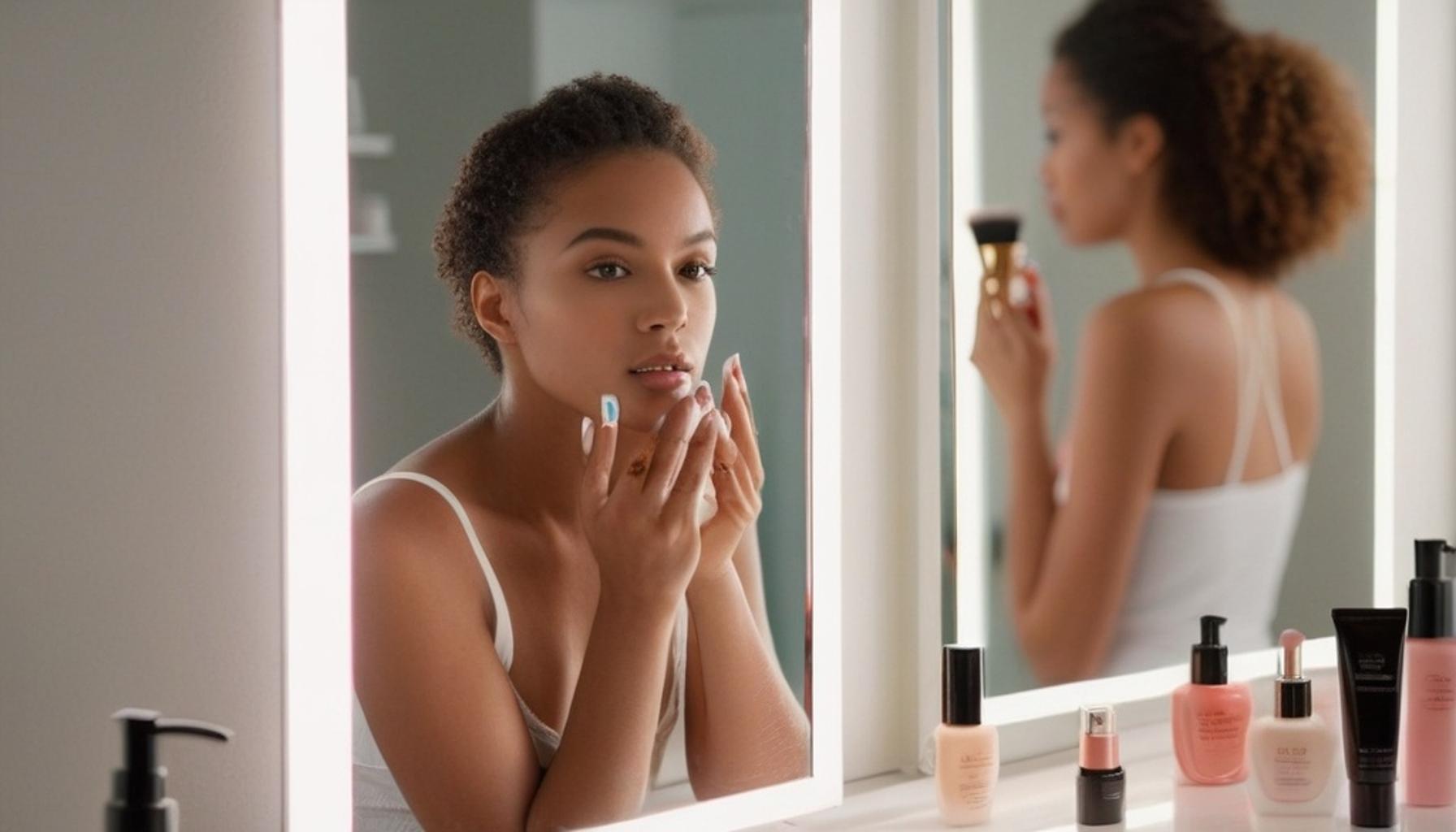
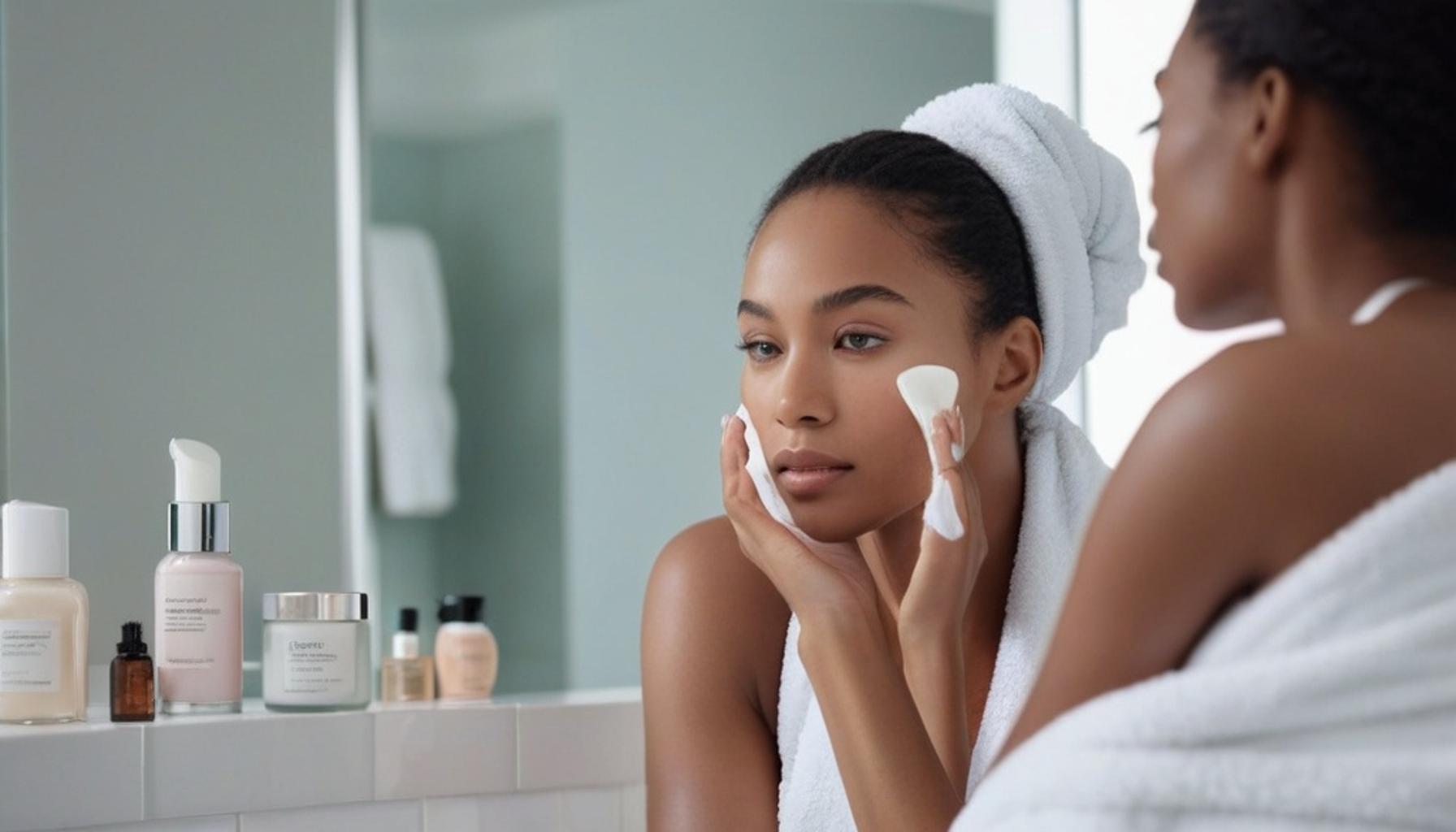
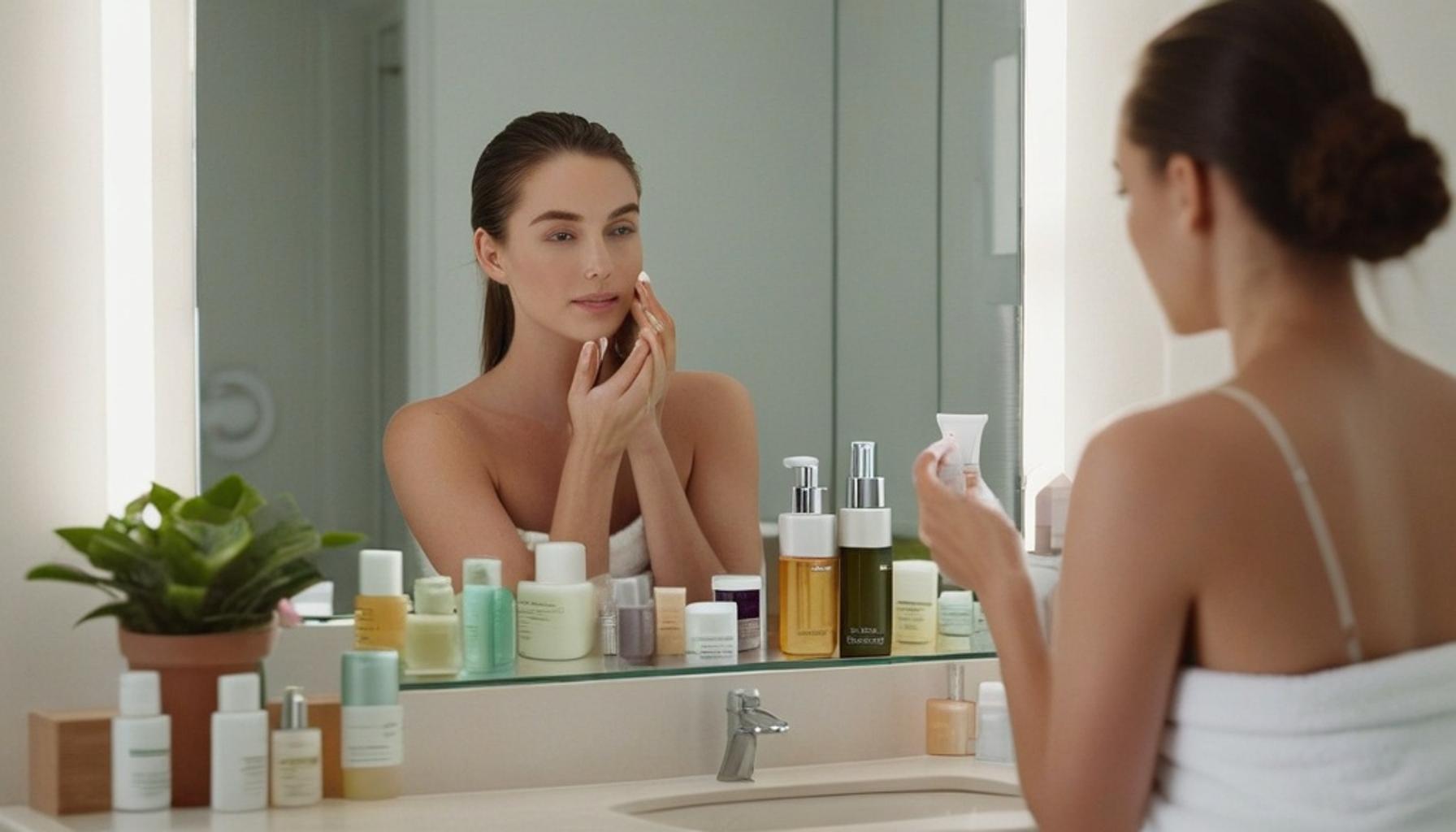
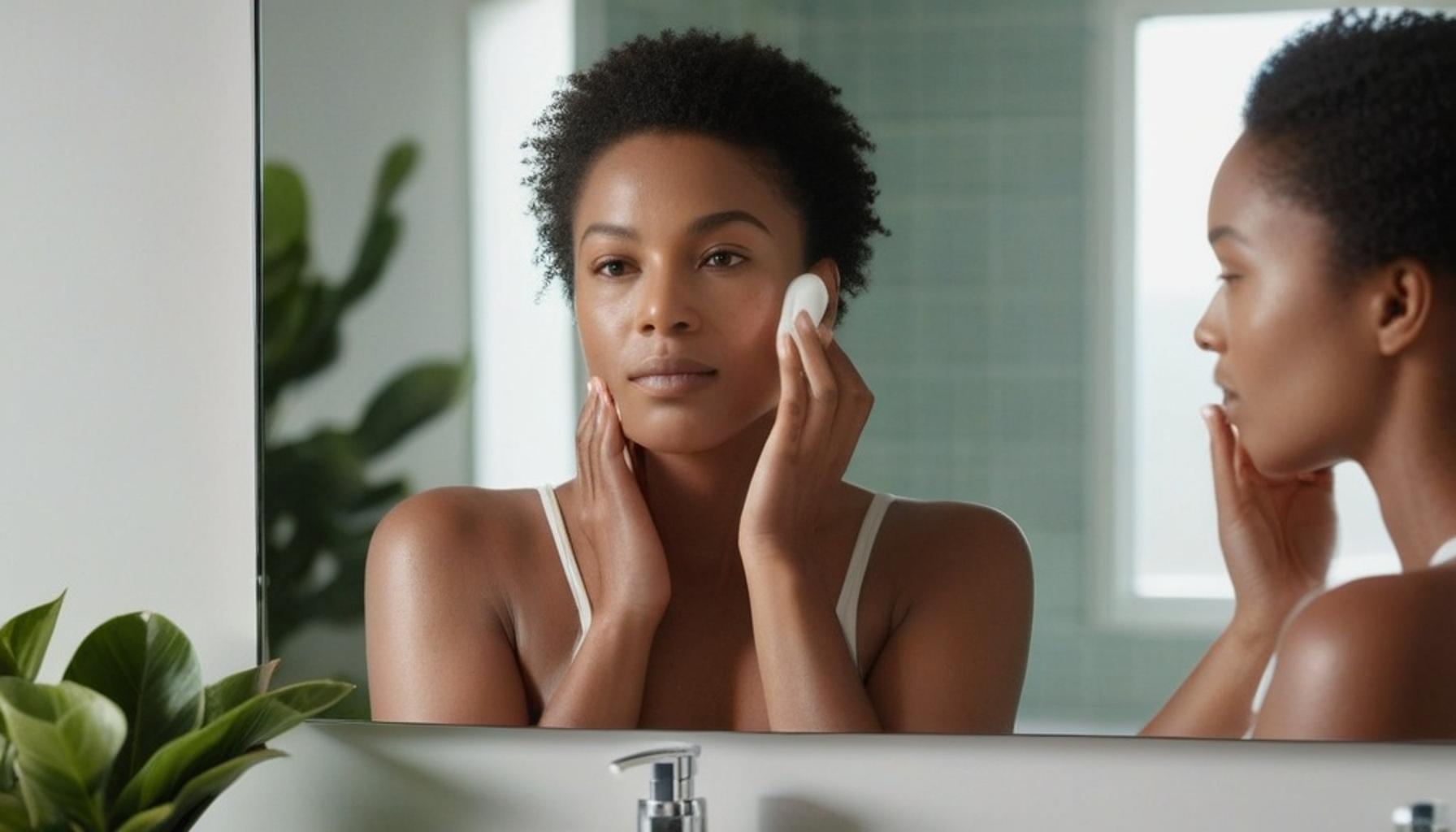
Forget expensive dermatology consultations for a basic starting point. Identifying skin type can happen right in your bathroom, using nothing more than a gentle cleanser and about 60 minutes of patience. Wash your face, pat it dry, and resist the urge to apply any product. Then simply observe.
This method, often called the bare-face test, remains a favorite among estheticians nationwide because it reveals how skin behaves without interference from moisturizers, serums, or makeup. What shows up on your skin after that waiting period tells a surprisingly detailed story, one that store shelves full of “universal” products rarely account for.
Interestingly, this same low-tech approach has been used in dermatology offices for decades before high-tech skin scanners became common. The simplicity is the point. By removing every variable except time, the skin is left to reveal its natural tendencies, whether that means visible shine, tightness, or nothing noticeable at all, which is its own kind of answer.
Reading the Signs Your Skin Leaves Behind
After the hour passes, check specific zones of your face, particularly the forehead, nose, cheeks, and chin. Each area can react differently, which is exactly why so many people feel confused about their category in the first place. Someone might see shine near the nose but flakiness near the jawline, a combination that throws off any one-size-fits-all conclusion.
- Shine across the entire face, especially the forehead and nose, typically signals oily skin
- Tightness, visible flaking, or rough patches point toward dry skin
- Shine limited to the T-zone paired with normal or dry cheeks suggests combination skin
- Redness, stinging, or a burning sensation after using regular products often indicates sensitive skin
Skin type can also shift with age, medication, or even stress levels, so revisiting this test seasonally makes sense. Someone living through a humid Louisiana summer might notice oilier results than during a dry Colorado winter. Even indoor heating during a Midwest winter can quietly nudge skin toward drier territory, catching people off guard when their usual moisturizer suddenly feels insufficient.
Hormonal changes, new medications, and even switching climates for a job relocation can all rewrite the results of this test entirely, which is why estheticians recommend repeating it every few months rather than treating one result as permanent truth.
Why This Step Changes Everything Downstream
Skipping this diagnostic step is precisely why so many sunscreens end up misjudged as “too greasy” or “too drying.” In reality, the formula probably never matched the skin to begin with. Once the category becomes clear, choosing ideal sunscreen stops feeling like a gamble and starts feeling like an informed decision.
Dermatology research backs this up. A 2022 survey published by the American Academy of Dermatology found that nearly 40% of respondents had discontinued a sunscreen due to texture complaints rather than actual allergic reactions. That statistic alone suggests the problem often lies in mismatched formulas, not faulty products, meaning countless bottles get abandoned in bathroom cabinets for entirely avoidable reasons.
Knowing your baseline also simplifies every other purchase down the line, from serums to moisturizers, creating a foundation for a genuinely simple beauty routine instead of a cluttered shelf of trial-and-error products. Fewer wasted purchases also means fewer dollars spent chasing trends that were never designed for your particular skin behavior in the first place.
The next logical step involves translating this new self-knowledge into a smarter sunscreen aisle strategy, one that accounts for texture, ingredients, and how each formula behaves under real-life conditions like sweat, humidity, or long office hours under fluorescent lighting. Armed with actual data about your own skin, that once-overwhelming wall of bottles suddenly becomes far easier to navigate.

Matching Your Skin Type to the Right Sunscreen Formula
Before choosing ideal sunscreen, identifying skin type is the essential first step. A gel-based SPF works wonders for oily complexions, while a cream formula rescues parched, flaky skin. Below is a quick reference guide to simplify this decision within your simple beauty routine.
| Skin Type | Ideal Sunscreen & Key Benefits |
|---|---|
| Oily Skin | Best sunscreen for oily skin is a lightweight, matte-finish gel with SPF 30-50 that controls shine. |
| Dry Skin | A hydrating sunscreen for dry skin with ceramides locks moisture while shielding UV rays. |
| Sensitive Skin | Mineral-based sensitive skin sunscreen options with zinc oxide reduce irritation and redness risk. |
| Combination Skin |