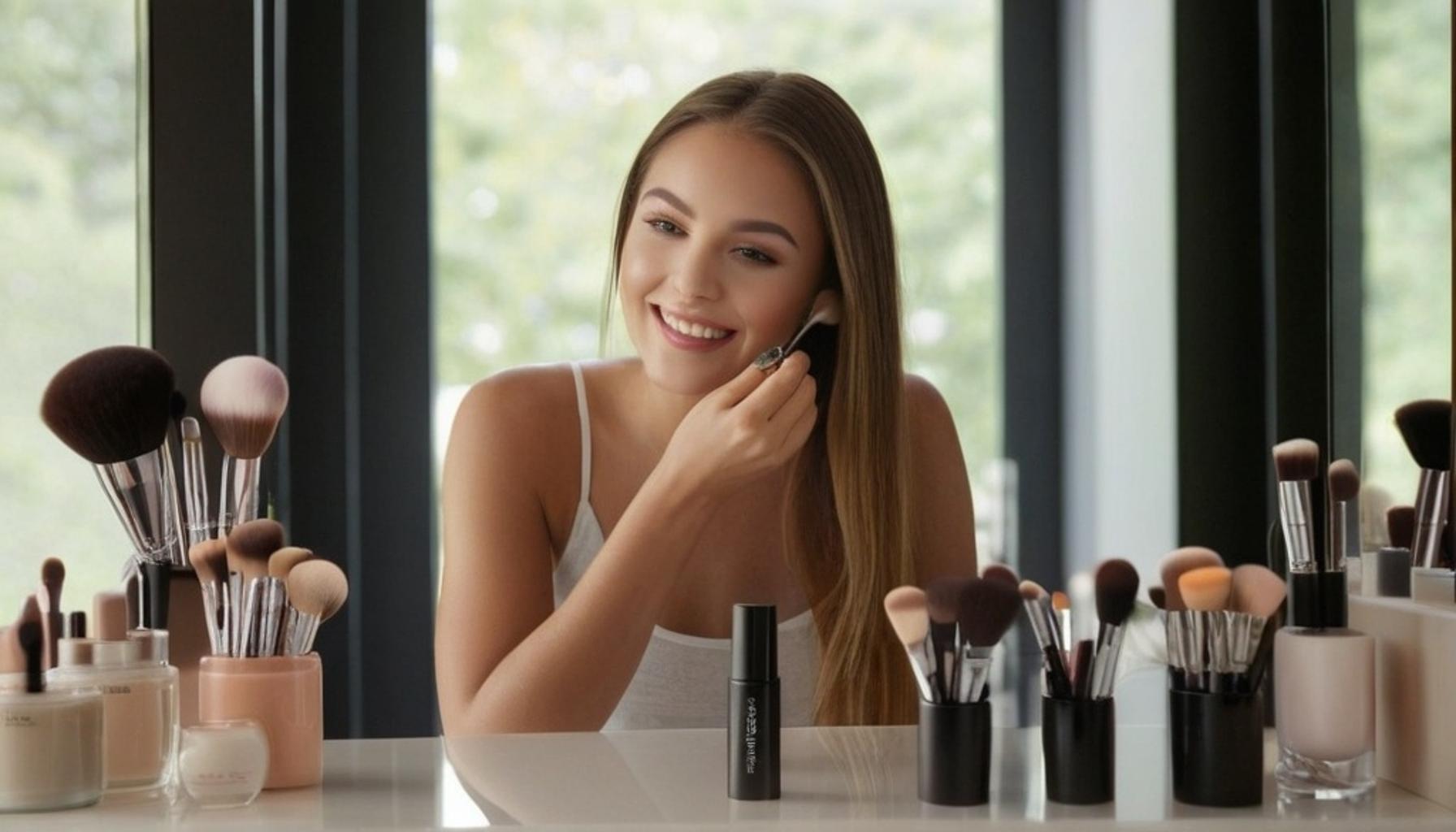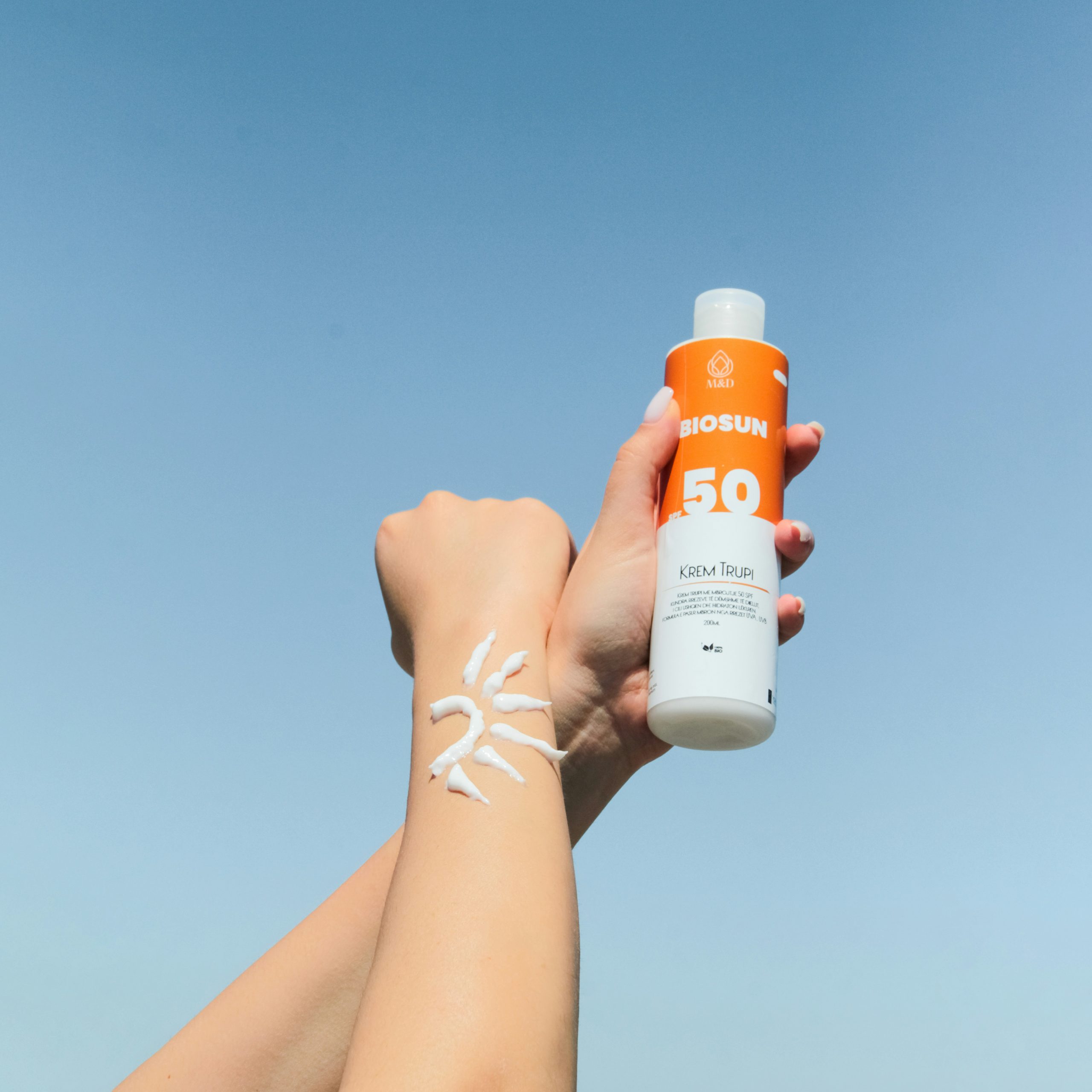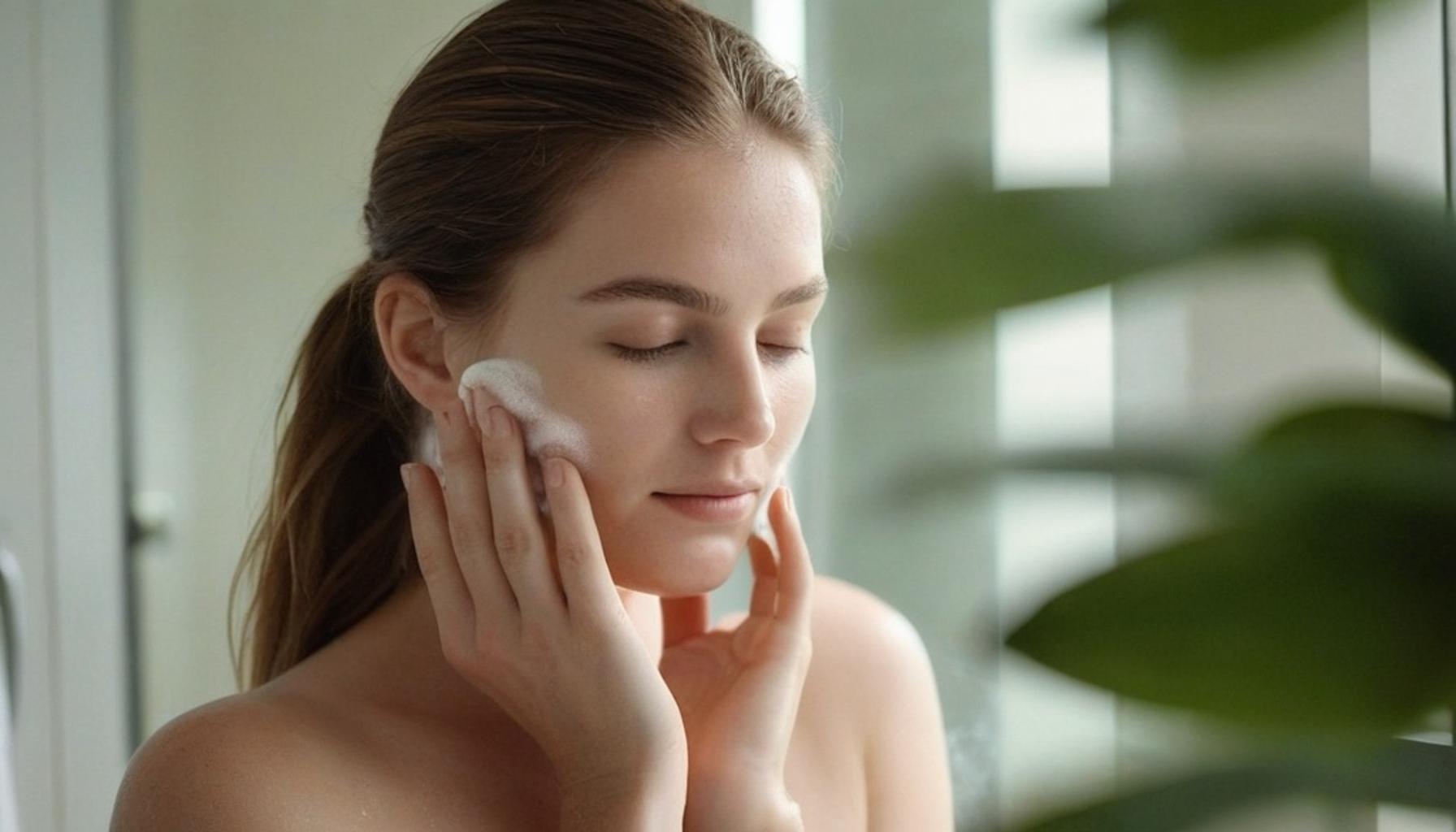
The Ultimate Easy Beauty Routine for Beginners: Everyday Makeup Essentials and Sunscreen Selection
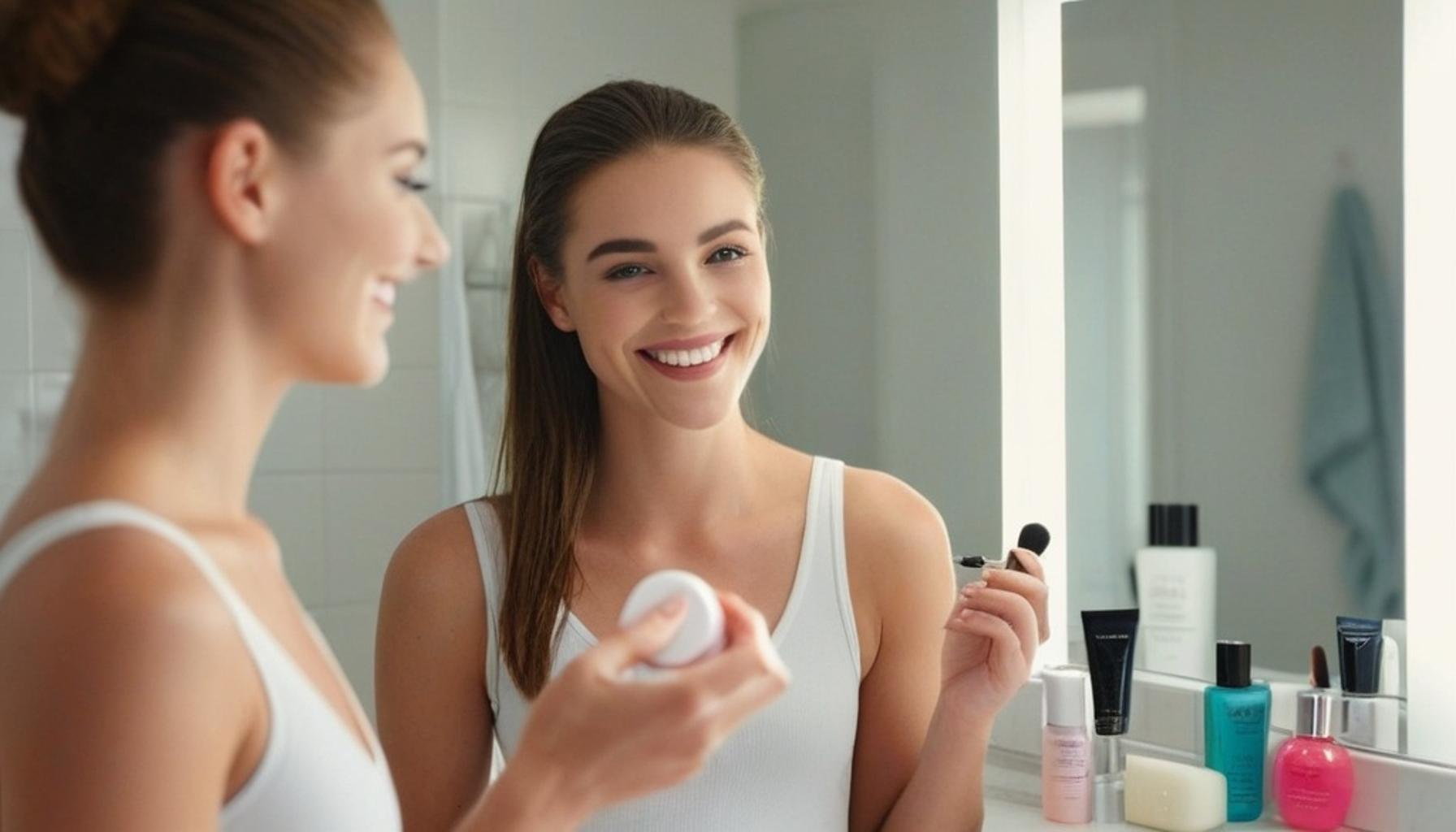
Why Every Beginner Needs a Simple Beauty Routine
Walk down any beauty aisle at Target, Ulta, or Sephora, and the sheer volume of choices can trigger a kind of decision paralysis. Serums promising overnight miracles sit next to fifteen-step Korean skincare kits, while influencers online swear by routines involving seven different moisturizers. For someone just starting out, this noise doesn’t build confidence, it destroys it. The good news? An easy beauty routine for beginners doesn’t require two dozen steps, a chemistry degree, or a luxury budget to see real results.
Dermatologists across the country consistently point to one truth that cuts through the marketing hype: simplicity beats complexity when building lasting habits. A 2022 survey from the American Academy of Dermatology found that patients who stuck to three or four core products saw better skin outcomes than those juggling ten or more. Fewer products, applied correctly and consistently, often outperform elaborate multi-step routines that get abandoned within weeks.
What This Guide Covers
This article breaks down exactly what belongs in a beginner-friendly makeup bag and how to choose sun protection that actually works, without the overwhelming technical jargon typically found in beauty marketing. Instead of chasing trends, readers will learn what dermatologists and makeup artists actually recommend for people just getting started.
- Everyday makeup essentials that create a polished look in under 10 minutes, perfect for busy mornings before work or school
- Beginner-approved makeup products for beginners that won’t break the bank, many available at drugstores for under $15
- A clear framework for sunscreen selection for beginners, including SPF basics that even seasoned users often get wrong
- Simple application order to avoid common rookie mistakes, like applying foundation before moisturizer has absorbed
The Sunscreen Factor Most People Skip
According to the Skin Cancer Foundation, nearly 1 in 5 Americans will develop skin cancer by age 70, yet daily SPF use remains surprisingly inconsistent, even among people who consider themselves skincare-savvy. Many stop at moisturizer with SPF built in, unaware that coverage often falls short of the protection a dedicated sunscreen provides. A truly effective simple beauty routine treats sunscreen as non-negotiable, not an afterthought reserved for beach days in Florida or California.
By the end of this guide, readers will have a realistic, repeatable system that fits into an actual daily schedule, not an aspirational Pinterest board. These beginner makeup tips focus on building confidence one product at a time, starting with the basics that matter most and skipping the trends that fade by next season.
SEE ALSO: How to Choose the Right Sunscreen: Essential Tips for Every Beauty Routine
# Building Your Foundation: The Five Essentials That Actually Matter
Before scrolling through another “get ready with me” video featuring twenty-three products, it helps to know what a genuinely functional routine looks like stripped down to basics. Makeup artists working backstage at New York Fashion Week often reveal a surprising secret: their everyday personal routines look nothing like their professional kits. Simplicity wins even among people whose job is glamour.
An easy beauty routine for beginners typically rests on five categories, no more. Everything else is optional embellishment that can wait until confidence and skill develop naturally. Industry professionals frequently point out that mastering fundamentals matters far more than owning an overflowing vanity drawer.
The Core Five Categories
- Moisturizer – hydrates skin and creates a smooth base for everything applied afterward
- Sunscreen – protects against UV damage, the leading cause of premature aging and skin cancer
- Concealer or light foundation – evens out tone without looking heavy or cakey
- Mascara – opens up the eyes instantly, arguably the highest-impact product for the lowest effort
- Lip product – a tinted balm or sheer lipstick that adds color in seconds
That’s it. No highlighter, no contour palette, no six-step eyeshadow blend required for a Tuesday morning commute in Chicago or a coffee run in Austin. These makeup products for beginners deliver a put-together appearance without demanding artistry. Dermatologists across the country consistently echo this stripped-down philosophy, noting that skin health improves when routines aren’t overloaded with unnecessary layers.
Why Fewer Products Reduce Mistakes
Beauty retailer Ulta reported in 2023 that first-time shoppers most frequently abandon products within the first two weeks of purchase, largely due to application confusion. Fewer products mean fewer opportunities for error. A simple beauty routine limits the guesswork that sends beginners running back to YouTube tutorials mid-morning, phone propped against the bathroom mirror while mascara dries onto eyelids.
There’s also a financial argument worth mentioning. Drugstore brands like e.l.f., NYX, and Maybelline now produce formulas that rival prestige brands costing four times as much. A complete five-product setup can realistically cost under $50, according to price comparisons across major retailers including Target and Walgreens. That number becomes even more compelling when compared against the average cost of a single department store foundation, which often exceeds $40 alone.
Consumer surveys conducted throughout 2022 and 2023 suggest that shoppers under thirty increasingly prioritize multi-tasking products, items that moisturize and tint simultaneously, for instance, reducing both cost and clutter without sacrificing results.
Common Beginner Missteps Worth Avoiding
Even with a minimal routine, application order trips people up constantly. Skincare should always be fully absorbed, roughly two to three minutes, before makeup touches the skin. Layering foundation over half-dry moisturizer causes pilling, that frustrating texture where product balls up instead of blending smoothly, undoing minutes of careful effort in seconds.
These beginner makeup tips sound obvious once stated, yet they’re rarely explained clearly in stores or on packaging, leaving new users to learn through trial, error, and the occasional Sunday morning frustration in front of the bathroom mirror. Reading product labels carefully and testing new items on a small patch of skin beforehand can prevent unwelcome surprises, particularly for those with sensitive skin navigating unfamiliar formulas for the very first time.
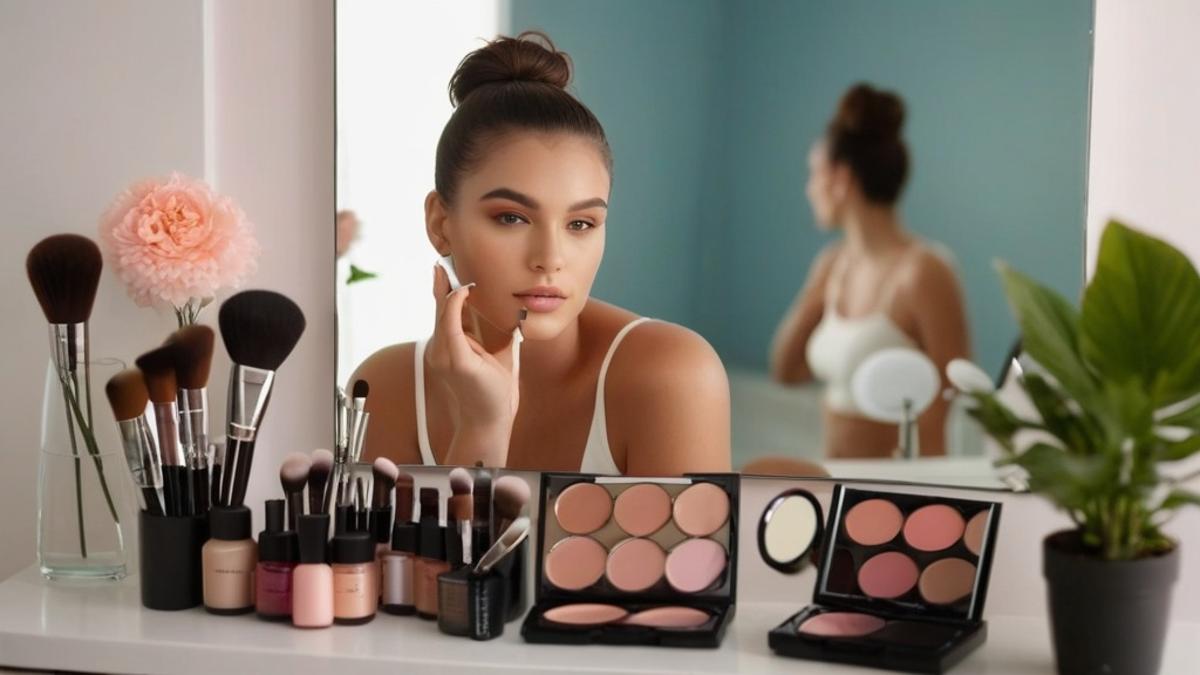
Essential Beauty Routine Breakdown for Beginners
Building an easy beauty routine for beginners starts with understanding which products truly matter. Below is a quick-reference table highlighting the core categories every newcomer should know before diving into everyday makeup essentials and sunscreen selection for beginners.
| Category | Key Benefit |
|---|---|
| Skincare Prep | Creates a smooth canvas, improving makeup products for beginners application and longevity. |
| Everyday Makeup Essentials | Covers foundation, mascara, and lip tint for a natural, fuss-free look. |
| Sunscreen Selection | Protects skin from UV damage, a must in any simple beauty routine. |
| Application Order | Ensures products layer correctly, following essential beginner makeup tips. |
Each category above plays a distinct role in simplifying your daily regimen, proving that an effective routine does not require dozens of products, just the right ones used correctly.
RECOMMENDED: The Beginner’s Guide to Building a Skincare Routine: Order of Application and Knowing Your Skin Type
# Sunscreen Selection for Beginners: The Step Nobody Should Skip
Ask any dermatologist what single product moves the needle most on long-term skin health, and the answer arrives almost instantly: sunscreen. The American Academy of Dermatology has repeatedly stated that daily SPF use reduces skin cancer risk significantly and slows visible aging, yet surveys show fewer than a third of American adults apply it consistently every day.
That gap between knowledge and habit is exactly where an easy beauty routine for beginners can make the biggest difference. Sunscreen isn’t an optional summer accessory reserved for beach trips to Myrtle Beach or hiking weekends in Sedona. Dermatology clinics from Seattle to Miami report UV damage occurring year-round, even through office windows and car windshields. Cloudy days offer little relief either, since up to 80 percent of UV rays penetrate cloud cover, a detail that surprises most people encountering sunscreen advice for the first time.
Choosing the Right Formula Without Overthinking It
Sunscreen selection for beginners often stalls at the shelf, staring down dozens of bottles labeled with confusing acronyms and percentages. A few practical guidelines simplify the decision considerably.
- SPF 30 or higher – blocks roughly 97 percent of UVB rays, meeting the standard dermatologists recommend for daily wear
- Broad-spectrum labeling – confirms protection against both UVA and UVB rays, not just sunburn-causing wavelengths
- Mineral versus chemical – mineral formulas using zinc oxide suit sensitive skin, while chemical filters tend to absorb faster without leaving a white cast
- Tinted sunscreen – doubles as light coverage, collapsing two steps into one for anyone short on time
Brands like Neutrogena, La Roche-Posay, and Supergoop have gained traction specifically because they cater to first-time buyers overwhelmed by ingredient lists. Supergoop’s Unseen Sunscreen, for instance, became something of a cult favorite after viral social media attention, proving that texture and wearability often matter more to consumers than formulation complexity. Price also plays a role in decision-making, with drugstore options like Neutrogena’s Ultra Sheer line offering dermatologist-approved protection at a fraction of the cost of prestige brands, making consistent use far more attainable for budget-conscious shoppers.
Skin type further narrows the field. Oily and acne-prone skin generally responds better to gel-based or matte-finish formulas, while dry skin benefits from sunscreens blended with hydrating ingredients like hyaluronic acid or ceramides. Someone in humid Houston summers faces different formula needs than someone navigating dry Denver winters, which explains why no single “best sunscreen” exists universally.
Application Habits That Actually Matter
Quantity gets overlooked constantly. Dermatologists recommend roughly a nickel-sized amount for the face alone, a measurement most people underestimate by half. Reapplication every two hours during direct sun exposure remains ideal, though realistically, most beginners will benefit simply from consistent morning application before anything else touches the skin.
Layering order matters here too. Sunscreen goes on after moisturizer but before foundation or concealer, allowing roughly a minute to absorb so makeup glides rather than streaks. This small sequencing detail, often buried in dermatology blogs rather than product packaging, prevents the pilling and patchiness that frustrates so many newcomers testing out everyday makeup essentials for the first time.
Commuters and desk workers shouldn’t assume indoor days grant immunity. Studies from the Skin Cancer Foundation confirm that UVA rays, linked to premature aging, pass through most window glass unaffected, meaning a morning application still matters even for people spending entire afternoons at a laptop.
Skincare retailers including Sephora and CVS now stock dedicated “beginner” sunscreen sections, a direct response to rising demand from younger shoppers researching ingredients before ever touching a swatch. That shift alone signals how central sun protection has become within any simple beauty routine built for long-term skin health rather than short-term appearance alone.
Building a Routine That Actually Sticks
An easy beauty routine for beginners doesn’t require a twelve-step regimen or a bathroom shelf crowded with products destined to expire unused. What matters more is consistency: the same handful of everyday makeup essentials applied in the same order, morning after morning, until the process stops feeling like a decision and starts feeling like brushing your teeth. Behavioral scientists who study habit formation often point out that repetition, not intensity, is what cements a new activity into daily life, and skincare is no exception to that rule.
The research and dermatology guidance covered throughout this piece point to a few non-negotiables worth repeating in summary form. These are the elements that surveyed dermatologists across the country, from coastal clinics to Midwest practices, consistently flag as foundational rather than optional.
- Prioritize skin prep – a clean, moisturized base determines how everything else performs, since makeup applied over dry or oily skin tends to separate, cake, or fade by midday
- Keep makeup minimal – concealer, mascara, and a tinted balm cover most beginner needs without overwhelming a morning schedule that already includes coffee, commute planning, and inevitable last-minute decisions
- Never skip sunscreen – daily broad-spectrum SPF remains the single most protective habit for long-term skin health, with dermatologists citing it as more impactful than any anti-aging serum on the market
- Adjust for climate and skin type – what works in humid Atlanta won’t necessarily suit arid Phoenix, and product formulas that thrive in one region can underperform or irritate skin in another
For anyone still hesitant, remember that sunscreen selection for beginners and product shopping in general don’t require perfection on day one. Dermatologists and makeup artists alike agree that small, repeatable habits outperform elaborate routines abandoned within a week. Trial and error, they note, is part of the process, not a sign of failure.
A simple beauty routine succeeds not because it includes the trendiest serum or the most-hyped SPF from TikTok, but because it fits realistically into daily life, whether that life unfolds in New York City or a small town in Iowa. Start simple, stay consistent, and let the routine evolve naturally as skin, budget, and confidence grow. The goal isn’t a flawless finish; it’s a sustainable habit that quietly protects and enhances skin over years, not just for a single Instagram-worthy morning.
Frequently Asked Questions
What are the must-have makeup products for someone just starting an easy beauty routine for beginners?
Start with a tinted moisturizer or lightweight BB cream, a concealer, a cream blush, mascara, and a tinted lip balm. These five items cover the basics without overwhelming you with steps or products. As you get comfortable, you can slowly add eyeshadow or brow gel.
How do I choose the right sunscreen if I have never worn one daily before?
Pick a broad-spectrum SPF 30 or higher formula labeled ‘non-comedogenic’ if you have acne-prone or combination skin. For beginners, a lightweight, fast-absorbing lotion or gel works better under makeup than thick creams. Try a sample size first to see how your skin reacts before committing to a full bottle.
In what order should I apply sunscreen and makeup in my morning routine?
Apply sunscreen as the last step of skincare, after cleanser and moisturizer, and let it absorb for a couple of minutes before starting makeup. Follow with primer if you use one, then foundation or tinted moisturizer, concealer, and the rest of your makeup. Waiting for sunscreen to set helps it work properly and keeps your makeup from sliding around.
How can I keep my everyday makeup routine quick when I’m short on time in the morning?
Multi-use products like a tinted SPF moisturizer, cream stick for cheeks and lips, and a clear brow gel can cut your routine down to under five minutes. Stick to two or three key products instead of a full face of makeup on busy days. Keeping your makeup bag organized with only these essentials also speeds things up.

Anna Parker
Anna Parker is a writer and beauty expert specializing in skincare routines, cosmetic ingredients, and holistic self-care practices. With extensive experience helping individuals achieve healthy, radiant skin and make informed beauty choices, Anna shares her knowledge on our platform.