How Knowing Your Skin Type Can Transform Your Makeup Routine
Why Your Skin Type Is the Missing Piece in Your Beauty Bag
Ever wonder why that viral foundation everyone raves about on TikTok looks flawless on one face and cakey on another? The answer usually isn’t the product itself, but the skin underneath it. A solid skin type makeup routine starts long before you pick up a brush.
Dermatologists estimate that most Americans misjudge their own skin type, often confusing dehydration with dryness or overproduction of oil with acne-prone skin. That single mix-up can derail an entire makeup application, from primer to setting spray. Think about it: if you’re layering a rich, emollient primer onto skin that’s actually oily but dehydrated, you’re setting yourself up for a midday slide instead of a lasting finish.
Once you learn to identify skin type correctly, everything changes. Suddenly you know exactly:
- Which formulas will actually last through a humid summer in Houston or a dry winter in Denver
- Why the best foundation for oily skin is not the same one your friend with combination skin swears by
- How a proper dry skin makeup routine can eliminate flaking and patchiness by midday
- What ingredients to avoid if you’re prone to breakouts or sensitivity
This isn’t just about vanity metrics like “flawless selfies.” It’s about saving money on products that were never right for you in the first place, and saving time on trial-and-error mornings. Consider the average beauty consumer in the United States, who spends hundreds of dollars a year testing foundations, primers, and powders. A large chunk of that spending could be avoided entirely with a five-minute skin assessment done at home.
The Ripple Effect of Getting It Wrong
Skin type misjudgment doesn’t just waste money, it can actually worsen skin conditions over time. Using heavy, pore-clogging formulas on oily or acne-prone skin can trigger more breakouts, while stripping, mattifying products on already dry skin can accelerate fine lines and irritation. Estheticians frequently report that clients arrive with skin issues caused not by genetics or hormones, but by years of mismatched product choices.
Climate plays a surprisingly large role too. Someone living in humid Florida faces entirely different oil production and makeup longevity challenges than someone in the arid climate of Arizona. Regional weather patterns interact with your natural skin chemistry, meaning the same “universal” bestseller product can behave in completely different ways depending on where you live.
In the sections ahead, we’ll break down practical makeup tips for different skin types, along with simple ways to test what category you actually fall into. We’ll also explore how seasonal shifts, stress, and even diet can temporarily change your skin’s behavior, requiring small adjustments to your routine throughout the year. By the end, you’ll know exactly how to match makeup to skin type, and why that knowledge might be the single biggest upgrade to your beauty routine this year.
SEE ALSO: Identifying Your Skin Type and Choosing the Ideal Sunscreen for a Simple Beauty Routine
Decoding the Four Main Skin Types Before You Shop
Before you can build a smarter skin type makeup routine, you need a clear, honest read on what your skin is actually doing on a daily basis, not just how it feels after a hot shower or a long flight. Dermatologists generally sort skin into four broad categories: oily, dry, combination, and normal, with sensitive skin often layered on top as a fifth variable. Each one reacts differently to foundation, powder, and even the order in which you apply products.
The fastest way to identify skin type at home doesn’t require a dermatologist visit. Try the bare-face test: wash with a gentle cleanser, pat dry, and wait 30 minutes without applying anything. Then check a few key zones.
- If your forehead, nose, and chin are shiny, you’re likely dealing with oily skin
- If your skin feels tight, flaky, or shows fine lines more prominently, that points to dry skin
- If oil shows up only in the T-zone while cheeks stay balanced or dry, that’s classic combination skin
- If nothing feels particularly off, no shine, no tightness, you’re likely in the normal skin category
This simple test matters because foundation formulas are engineered with specific skin behaviors in mind. A matte, oil-absorbing formula marketed as the best foundation for oily skin typically contains ingredients like silica or kaolin clay, which soak up excess sebum throughout the day. Apply that same formula to dry skin, and you’ll likely see it cling to flaky patches by early afternoon, emphasizing texture instead of smoothing it.
Climate plays a bigger role in this equation than most shoppers realize. Someone testing their skin in humid New Orleans during August will get a very different reading than someone doing the same test in dry, high-altitude Denver in January. Skin type isn’t always fixed either; it can shift with seasons, hormonal changes, or even switching from a harsh cleanser to a gentler one. That’s why dermatologists suggest repeating the bare-face test every few months rather than assuming a diagnosis from years ago still applies today.
Why One-Size-Fits-All Marketing Falls Short
Walk down any beauty aisle at a Target or Ulta in the United States, and you’ll notice most foundation bottles market themselves as “universal” or “suitable for all skin types.” In reality, that label often means the formula performs adequately but not exceptionally for any single skin category.
Industry data backs this up. A 2022 survey from a leading beauty retail analytics firm found that nearly 60 percent of shoppers had returned or abandoned a foundation within three uses, citing issues like caking, oxidation, or excessive shine. Almost all of those complaints traced back to a mismatch between product formulation and actual skin type, not a flaw in the product itself.
This is where a proper dry skin makeup routine diverges sharply from an oily-skin approach. Dry skin benefits from hydrating primers with hyaluronic acid or glycerin, cream-based foundations, and dewy finishing sprays. Oily skin, on the other hand, thrives with mattifying primers, oil-free foundations, and translucent setting powder applied strategically rather than all over.
Combination skin sits in an especially tricky middle ground, and it’s often the most misunderstood of the four categories. Many people with combination skin end up buying two separate product lines just to manage the contrast between an oily nose and dry cheeks, which can get expensive fast. A more efficient strategy involves multi-zone application, using a mattifying primer only on the T-zone while patting a hydrating one onto the cheeks before foundation goes on. Beauty counters at department stores like Nordstrom or Sephora often have consultants trained specifically to demonstrate this kind of zone-based application, though few walk-in shoppers ever ask for it.
Understanding these distinctions is the first real step toward learning how to match makeup to skin type instead of chasing whatever formula has the most five-star reviews online. Reviews, after all, are written by people whose skin may behave nothing like yours, which means the five-star rating that worked wonders for someone with normal skin could turn into a cakey, shine-heavy mess by lunchtime for someone with an oilier T-zone.
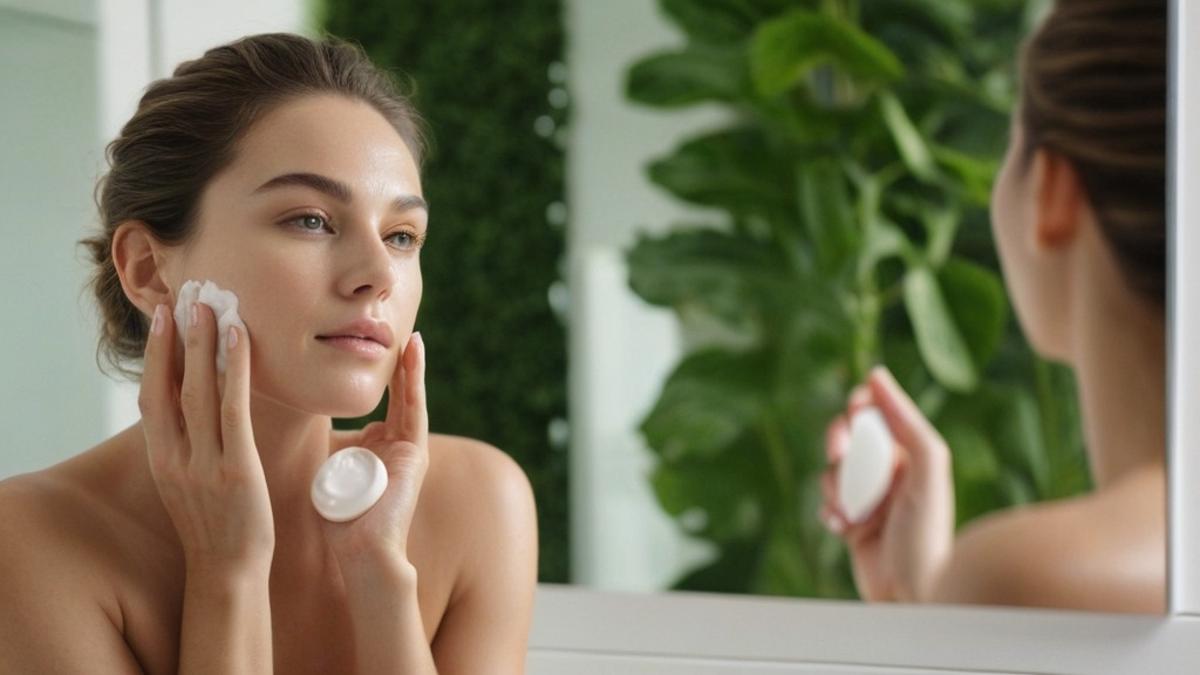
Matching Your Skin Type Makeup Routine to Real Results
Learning how to identify skin type before shopping for cosmetics changes everything from texture choice to wear time. Below, discover targeted makeup tips for different skin types, including the best foundation for oily skin and a reliable dry skin makeup routine, so you can finally master how to match makeup to skin type with confidence.
| Skin Type | Makeup Routine Benefit |
|---|---|
| Oily Skin | Mattifying, oil-free foundation controls shine for up to 8 hours |
| Dry Skin | Hydrating primers prevent flaking and cracked finish |
| Combination Skin | Zone-specific products balance T-zone shine and cheek dryness |
| Sensitive Skin | Fragrance-free formulas reduce redness and irritation risk |
CHECK OUT: How to Choose the Perfect Moisturizer to Prepare Your Skin Before Makeup
Building a Product Lineup That Actually Works With Your Skin
Once you’ve pinned down your skin type, the next challenge is translating that knowledge into an actual shopping list. This is where most beauty routines either click into place or fall apart, because primer, foundation, and setting products need to work as a coordinated system rather than three unrelated purchases.
Primer is the most skipped step, yet it’s arguably the most important one for anyone serious about makeup tips for different skin types. For oily skin, silicone-based primers create a smooth, semi-matte canvas that blurs pores and controls shine for several hours. Dry skin needs the opposite approach entirely, a primer loaded with humectants that plumps the skin surface before foundation touches it. Skipping this step is often why foundation looks flawless at 9 a.m. and rough by noon.
Foundation formula matters just as much as shade matching, something the beauty industry has only started emphasizing in the last decade. Oil-based and cream foundations sink into fine lines on oily skin, exaggerating texture rather than smoothing it. Water-based or powder foundations, meanwhile, can look ashy and cracked on dry skin within an hour. Checking the ingredient list before checkout, not just the marketing claims on the front label, tends to reveal more accurate information about how a product will actually perform.
Setting Products and Tools Deserve the Same Attention
Setting sprays and powders often get treated as an afterthought, tossed into a cart at checkout without much thought. That’s a mistake, because this step locks in everything applied beforehand and can either extend wear time or undo hours of careful blending.
Oily skin types generally benefit from a translucent powder pressed lightly over the T-zone, paired with a mattifying setting spray that contains ingredients like witch hazel. Dry skin, by contrast, does better with a dewy or hydrating setting spray, since traditional powder can settle into fine lines and draw attention to texture instead of hiding it.
Even application tools play a bigger role than most people assume. A damp makeup sponge, for instance, is often recommended for dry skin because it deposits a thinner, more diffused layer of product, while a dense buffing brush works well for oily skin because it can press mattifying formulas more precisely into pores.
- Oily skin: silicone primer, oil-free foundation, translucent powder, mattifying spray
- Dry skin: hydrating primer, cream foundation, minimal powder, dewy setting spray
- Combination skin: dual-zone primer application, medium-coverage foundation, targeted powder on T-zone only
- Normal skin: lightweight primer, buildable foundation, light setting spray for longevity
Retailers have started responding to this demand for precision. Sephora’s Skincare IQ tool and Ulta’s in-store skin analysis stations, for example, now let shoppers scan their skin and receive product recommendations based on measurable data rather than guesswork. Early usage numbers reported by both companies suggest shoppers who use these tools return fewer products, a small but telling sign that skin-type-specific shopping actually reduces the trial-and-error cycle so many people get stuck in.
None of this requires an expensive overhaul of your entire makeup bag overnight. Even swapping one mismatched product, like trading a heavy, oil-based foundation for a lightweight, oil-free formula, can noticeably change how makeup looks and feels by the end of a workday. Small, targeted swaps based on actual skin behavior tend to outperform an entirely new routine built on guesswork.
The Real Payoff of Knowing Your Skin Before Your Products
A skin type makeup routine isn’t a trend destined to fade next season. It’s closer to a foundational rule, the kind that determines whether every product layered on top actually performs the way it’s supposed to. Once that groundwork is in place, everything else, primer, foundation, powder, becomes far less complicated to choose.
Throughout this piece, one theme keeps resurfacing: guesswork is expensive, both in wasted products and wasted time standing in front of a mirror wondering why a look that worked yesterday suddenly isn’t cooperating today. Learning to identify skin type accurately removes a huge portion of that uncertainty right from the start.
The specifics matter too. Someone chasing the best foundation for oily skin is solving a completely different problem than someone building a dry skin makeup routine around hydration and slip. Neither approach is more correct than the other; they’re simply calibrated to different skin behaviors, which is exactly why generic advice tends to fall flat for so many people.
Retailers investing in skin-analysis technology, and dermatologists increasingly weighing in on beauty routines, both point to the same conclusion: personalization isn’t a luxury add-on anymore, it’s becoming the expectation. Consumers are asking sharper questions before buying, and brands are being pushed to answer with formulas rather than vague promises.
Anyone still unsure of where to start can treat this as a low-risk experiment. Spend a week observing how skin behaves by midday. Note where shine appears, where flaking shows up, and how long makeup actually holds. That single week of observation often reveals more than a dozen product reviews ever could.
Ultimately, knowing how to match makeup to skin type isn’t about achieving perfection. It’s about working with your skin’s natural tendencies instead of constantly fighting against them, one informed choice at a time.
Frequently Asked Questions
How do I figure out my exact skin type before choosing a makeup routine?
Wash your face with a gentle cleanser and wait 30 minutes without applying any product. If your skin looks shiny all over, you’re likely oily; shiny only in the T-zone means combination; tight and flaky suggests dry; and no noticeable changes points to normal skin. This simple at-home test is the foundation for building a skin type makeup routine that actually works.
What foundation formula works best for oily skin in a skin type makeup routine?
Oily skin types should look for oil-free, matte or semi-matte foundations labeled ‘non-comedogenic’ to prevent clogged pores and excess shine. Powder or long-wear liquid foundations with a matte finish help control midday oil buildup. Setting with a translucent powder in the T-zone can extend wear time significantly.
Why does my makeup look patchy or cakey by midday even after moisturizing?
This usually happens when your foundation formula doesn’t match your skin type, such as using a heavy, dewy foundation on oily skin or a matte, drying formula on dry skin. Mismatched products either slide off with excess oil or cling to dry, flaky patches as the day goes on. Switching to a foundation formulated for your specific skin type in your makeup routine typically solves this issue.
Do I need different primers depending on my skin type?
Yes, primer selection should always align with your skin type for the best makeup results. Oily skin benefits from mattifying, pore-blurring primers, while dry skin needs hydrating, silicone-free primers that add moisture. Combination skin often does well with a multi-tasking primer applied only where needed.
How often should dry skin be moisturized before applying makeup?
Dry skin should be moisturized both morning and night, with an extra hydrating layer applied 10-15 minutes before makeup application to let it fully absorb. Using a hydrating primer afterward locks in moisture and prevents foundation from settling into fine lines. This prep step is essential in any skin type makeup routine for dry skin to achieve a smooth, dewy finish.
Can combination skin use both matte and dewy products in the same routine?
Absolutely, combination skin often looks best when you customize your makeup routine by zone, using mattifying products on the oily T-zone and hydrating formulas on drier cheeks. This targeted approach, sometimes called multi-masking or multi-zoning, prevents both excess shine and dry patches. Blending a lightweight, buildable foundation across the whole face first makes zone-specific touch-ups easier.

Anna Parker
Anna Parker is a writer and beauty expert specializing in skincare routines, cosmetic ingredients, and holistic self-care practices. With extensive experience helping individuals achieve healthy, radiant skin and make informed beauty choices, Anna shares her knowledge on our platform.