How to Identify Your Skin Type and Choose the Ideal Foundation for Makeup Beginners
Why Your Foundation Might Be Working Against You
Walk into any Target or Sephora and you’ll face a wall of foundation bottles promising flawless skin. Rows of shades, dozens of finishes, and marketing claims that make every product sound like a miracle worker. But here’s the catch: the wrong shade or formula can actually make your complexion look worse, not better. That cakey texture settling into fine lines by noon or the orange-tinted jawline in your selfies isn’t bad luck. It’s a mismatch between your skin and the product you’re using.
Roughly 60% of makeup beginners admit they’ve bought foundation that didn’t match their skin at all, according to surveys of first-time shoppers navigating beauty aisles. That’s more than half of everyone starting out, wasting money on bottles that end up shoved in a drawer after one disappointing try. The missing piece? Most never took the time to identify your skin type before shopping, instead grabbing whatever influencer-approved product happened to be trending that week.
What This Guide Will Cover
Skin isn’t one-size-fits-all, and neither is makeup. What works beautifully on a friend with dry, flaky patches might turn into a greasy mess on someone with an oily T-zone by lunchtime. Understanding the different skin types—oily, dry, combination, normal, and sensitive—is the first real step toward foundation that looks natural, not cakey or mismatched under bathroom lighting versus daylight.
This article breaks down everything a beginner needs to stop guessing and start choosing with confidence, including:
- Simple at-home tests to determine your exact skin type in under ten minutes
- How to choose foundation formulas suited to each skin category, from lightweight serums to full-coverage creams
- The best foundation for beginners based on coverage and finish, whether you want a dewy glow or a matte look that lasts through a workday
- Specific tips for makeup for sensitive skin and reactive complexions prone to redness or breakouts
- Common shade-matching mistakes and how to avoid them, including why testing on your jawline beats testing on your hand every single time
By the end, you won’t just know your skin better—you’ll know exactly which product deserves a spot in your makeup bag, and which ones to walk right past. These foundation tips for beginners are designed to save you money, time, and more than a few frustrating trips back to the store, replacing trial-and-error guesswork with a strategy that actually makes sense for your unique complexion.
LEARN MORE: Makeup Tips for Beginners: The Importance of Good Skincare Before Application
Walking into any beauty aisle in the United States can feel like stepping into a chemistry lab you never signed up for. Serums promise miracles, foundations claim to be “universal,” and every bottle seems to whisper that it holds the secret to flawless skin. But before any purchase makes sense, there’s a foundational question that most shoppers never actually answer for themselves: what is your skin actually doing when nothing is on it?
That question matters more than any influencer review or five-star rating. Skin type isn’t a fixed label stamped at birth. It shifts, reacts, and sometimes contradicts itself depending on the weather, your stress levels, or even the water quality in your city. Understanding this before you buy anything can save you money, frustration, and a bathroom cabinet full of half-used products that never worked the way they promised.
The Bare-Faced Test Dermatologists Actually Recommend
Dermatologists rely on a method that costs nothing and takes less time than waiting in line for coffee. Here’s how it works:
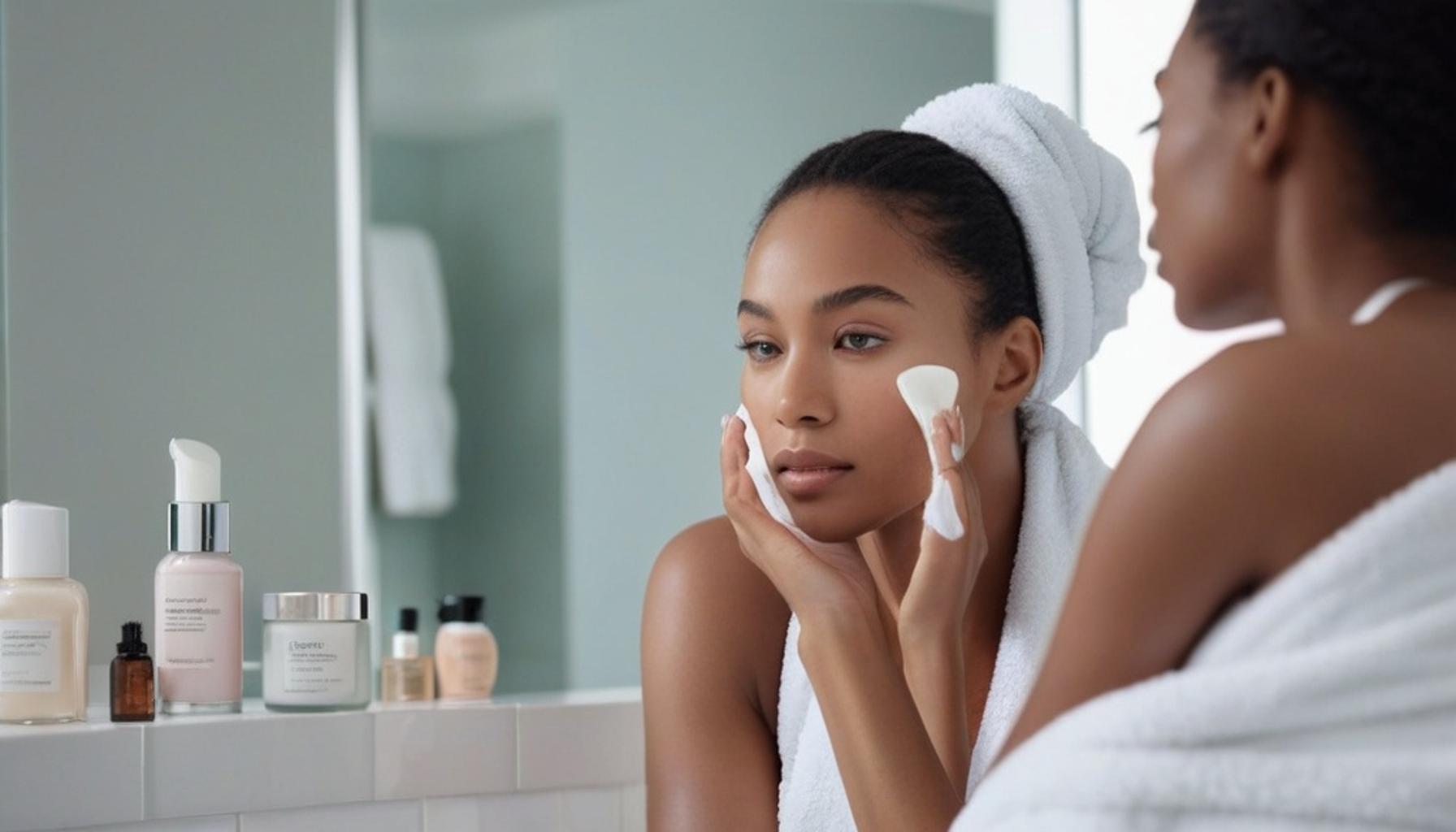
- Wash your face with a gentle cleanser and pat it dry, removing all traces of product
- Leave your skin completely bare for 30 minutes, no moisturizer, no serum, nothing
- Examine your reflection under natural light, paying attention to your forehead, nose, cheeks, and chin
- Press a clean tissue against different zones of your face and observe what transfers onto the paper
If the tissue picks up noticeable oil across your entire face, you’re likely dealing with oily skin. If it comes away clean but your skin feels tight, flaky, or itchy, dry skin is probably your category. Oil only in the T-zone while cheeks stay dry points to combination skin, one of the trickiest of the different skin types to shop for because it demands products that balance two opposing needs at once.
There’s also a fourth possibility that often gets overlooked: normal skin, where the tissue comes back nearly clean and the skin feels comfortable without tightness or shine. It sounds boring compared to the drama of oily or dry skin, but normal skin still benefits from knowing its baseline, especially before layering on trendy multi-step routines that may not be necessary at all.
Why This Step Gets Skipped So Often
Beginners tend to rush straight to color-matching, assuming shade is the only variable that matters. It isn’t. A perfectly matched shade in the wrong formula will still separate, slide, or cling to dry patches by mid-afternoon, leaving behind a patchy finish that no amount of blending can fix once you’re already out the door.
Research from skincare brand surveys suggests that nearly 70% of foundation complaints relate to texture and longevity issues, not color mismatches. That statistic alone explains why so many beginners feel like they’re failing at makeup when really, they just skipped a step that takes ten minutes and zero dollars.
Consider someone living in Phoenix, where dry desert air can pull moisture from skin year-round, compared to someone in Miami, where humidity practically guarantees a dewy, sometimes oily complexion by noon. The same foundation formula that performs beautifully in one city can look completely different in the other, not because the product changed, but because the skin underneath it did.
Learning to identify your skin type isn’t a one-time chore, either. Seasonal shifts, hormonal changes, and even switching climates, say, moving from humid Houston to dry Denver, can nudge your skin from one category into another. Checking in every few months keeps your foundation choice accurate instead of relying on an assessment you made two years and one skincare routine ago.
Key Aspects of Identifying Your Skin Type and Choosing the Right Foundation
Before diving deeper into product selection, it helps to see the core elements side by side. This quick-reference table breaks down how to identify your skin type and match it with the best foundation for beginners, giving you a practical starting point before experimenting further.
| Category | Details |
|---|---|
| Oily Skin | Shiny T-zone by midday; needs matte, oil-free foundation for lasting wear. |
| Dry Skin | Flaky, tight feeling; benefits from hydrating, dewy formulas. |
| Sensitive Skin | Prone to redness; requires makeup for sensitive skin with fragrance-free ingredients. |
| Foundation Tips | Test shades on jawline; blend using damp sponge for a natural finish. |
| Beginner Approach | Start with lightweight coverage and build gradually for confidence. |
CHECK OUT: Identifying Your Skin Type and Choosing the Ideal Sunscreen for a Simple Beauty Routine
Matching Foundation Formulas to What Your Skin Is Really Doing
Once you know which of the different skin types you’re working with, the next challenge is translating that knowledge into an actual product decision. This is where most beginners stall out, standing in a Target aisle staring at forty bottles that all claim to be “the one.” The shelf labels blur together after a while, and words like “luminous,” “flawless,” and “second-skin” stop meaning anything specific.
The truth is simpler than the marketing makes it seem. Foundation formulas are engineered to solve specific problems, and once you understand the categories, shopping becomes far less overwhelming. Chemists design these products around real skin behaviors, not aesthetic trends, so learning the science behind the labels is more useful than chasing whatever influencers are promoting that week.
Breaking Down Foundation Formulas by Skin Behavior
Here’s how the major formula types line up with what your skin actually needs:
- Matte or oil-control foundations work best for oily skin, using ingredients like silica or kaolin clay to absorb shine and keep your T-zone from turning into a mirror by lunchtime
- Hydrating or dewy foundations suit dry skin, often containing hyaluronic acid or glycerin to prevent that cracked, cakey look around the nose and mouth
- Satin-finish or buildable foundations tend to work for combination skin, since they don’t lean too hard into oil control or hydration and can be layered only where needed
- Lightweight, fragrance-free formulas are typically the safest bet for makeup for sensitive skin, minimizing the risk of redness, itching, or breakouts
Skipping this step is exactly why so many beginners end up disappointed. A dewy foundation on already oily skin can slide right off by 2 p.m. in a humid city like New Orleans, while a heavy matte formula on dry skin in a place like Salt Lake City, where winter air can drop below 20 percent humidity, will emphasize every flake instead of hiding it. Climate matters just as much as skin type, and plenty of shoppers never think to factor that into the equation until their foundation fails them halfway through the day.
Even seasonal shifts within the same city can change how a formula performs. A foundation that looked perfect in dry January might feel greasy and heavy by July, simply because humidity levels changed the way your skin produces oil.
Foundation Tips for Beginners That Actually Save Money
Buying full-size bottles before testing them is one of the most common financial regrets among new makeup users. Sample sizes exist for a reason, and ignoring them almost always costs more in the long run than the few extra minutes it takes to request one.
Most specialty retailers, including Sephora and Ulta, offer sample vials or return policies specifically because foundation is so dependent on individual skin chemistry. Taking advantage of this before committing to a $40 bottle is one of the simplest foundation tips for beginners that nobody bothers to mention upfront. Store employees are usually trained to help with this process, so asking directly can save considerable frustration later.
Testing along the jawline, rather than the back of the hand, also gives a far more accurate shade and finish match, since hand skin often behaves nothing like facial skin. Walking outside into natural daylight after applying a sample, rather than relying on store lighting, reveals oxidation and undertone shifts that fluorescent bulbs tend to hide.
Learning how to choose foundation that actually performs also means paying attention to ingredient lists, not just marketing claims on the front label. A bottle advertised as “for all skin types” frequently contains ingredients better suited to one category than others, so flipping it over and reading the fine print can prevent a mismatch that no amount of blending will fix later.
For anyone searching for the best foundation for beginners, the real starting point isn’t a brand name or a viral recommendation. It’s the fifteen minutes spent understanding your own skin, followed by a willingness to sample before buying anything in full size.
YOU MAY ALSO LIKE: How to Build a Morning Skincare Routine for Beginners and Prepare Your Skin for Everyday Makeup
Why Skin Knowledge Beats Guesswork Every Time
The entire foundation-shopping process becomes dramatically simpler once you accept one basic truth: no product can outperform a mismatch. All the contouring skills and blending sponges in the world won’t fix a formula that was wrong for your skin from the start.
Learning to identify your skin type isn’t a one-time task, either. Skin shifts with age, seasons, medication, stress, and even geography. Someone who moves from Phoenix to Chicago may notice their “oily” skin behaving quite differently once humidity levels drop. Revisiting the bare-face test every few months, especially after a major climate or lifestyle change, keeps that foundational knowledge accurate instead of outdated.
Turning Information Into Action
Understanding the different skin types only matters if it changes what ends up in your shopping cart. That means resisting the urge to buy whatever a favorite influencer promotes and instead checking whether the formula’s core purpose, oil control, hydration, or gentle simplicity, actually lines up with what your skin does on an average Tuesday.
For beginners still building confidence, a few habits make the process far less stressful:
- Request samples before buying full-size bottles, especially at retailers with generous return policies
- Test shade and finish along the jawline in natural daylight, not under store lighting
- Reassess skin behavior seasonally, since humidity and temperature changes alter oil production
- Prioritize fragrance-free, minimal-ingredient formulas when trying makeup for sensitive skin
Knowing how to choose foundation isn’t really about memorizing brand names or chasing trends promoted online. It’s about pairing patience with observation, then letting that information guide each purchase.
These foundation tips for beginners won’t guarantee perfection on the first attempt, but they eliminate most of the expensive trial and error that frustrates so many new makeup users. The best foundation for beginners was never a specific product waiting to be discovered. It’s simply the one chosen with real understanding of the skin underneath it.

Anna Parker
Anna Parker is a writer and beauty expert specializing in skincare routines, cosmetic ingredients, and holistic self-care practices. With extensive experience helping individuals achieve healthy, radiant skin and make informed beauty choices, Anna shares her knowledge on our platform.