
Best Makeup Essentials for Beginners: Choose Products for Your Skin Type in 2026
Best Makeup Essentials for Beginners: Choose Products for Your Skin Type in 2026
Makeup essentials for beginners start with one important step: understanding your skin type. Before choosing foundation, concealer, primer, blush, or setting products, it is important to know how your skin behaves throughout the day.
The right makeup products can help your skin look smoother, feel more comfortable, and stay balanced for longer. The wrong products, however, can make dryness, shine, irritation, or uneven texture more noticeable.
In this beginner-friendly guide, you will learn how to identify your skin type, understand what your skin needs, and choose makeup essentials that work well with your natural complexion.
Why Understanding Your Skin Type Matters
Understanding your skin type helps you choose makeup products that support your skin instead of working against it. A foundation that looks beautiful on dry skin may feel too heavy on oily skin. A matte primer that controls shine may make dry patches appear more visible.
When you know your skin type, it becomes easier to choose products that:
- Apply more smoothly.
- Last longer throughout the day.
- Reduce excess shine or dryness.
- Feel more comfortable on the skin.
- Minimize irritation and breakouts.
- Create a more natural-looking finish.
How to Identify Your Skin Type
Before buying makeup essentials, take time to identify your skin type. Most people fall into one of five main categories: oily, dry, combination, sensitive, or normal skin.
Oily Skin
Oily skin produces excess sebum, which can create shine, enlarged pores, and a higher chance of breakouts. Makeup may fade or slide off more quickly, especially in warm or humid weather.
If you have oily skin, look for oil-free foundations, mattifying primers, lightweight formulas, and setting powders that help control shine without clogging pores.
Dry Skin
Dry skin often feels tight, rough, flaky, or uncomfortable. Makeup may cling to dry patches and look uneven if the skin is not properly hydrated before application.
If you have dry skin, choose hydrating foundations, creamy concealers, moisturizing primers, and products with ingredients such as hyaluronic acid, glycerin, or nourishing oils.
READ ALSO: Essential Skincare Tips
Combination Skin
Combination skin includes both oily and dry areas. The T-zone, which includes the forehead, nose, and chin, may become oily, while the cheeks may feel dry or normal.
If you have combination skin, you may need different products for different areas of the face. A mattifying primer can help control shine in the T-zone, while a hydrating product can support drier areas.
Sensitive Skin
Sensitive skin is more likely to react to certain ingredients, fragrances, dyes, or harsh formulas. It may become red, irritated, itchy, or uncomfortable after using some products.
If you have sensitive skin, look for fragrance-free, hypoallergenic, gentle, and non-comedogenic makeup products. Patch testing new products can also help reduce the risk of irritation.
Normal Skin
Normal skin is generally balanced, with few dry or oily areas. It usually tolerates many types of makeup formulas well, but it still needs proper care and protection.
If you have normal skin, you can experiment with different textures and finishes, such as matte, satin, natural, or dewy formulas.
Skin Type and Makeup Product Guide
| Skin Type | Common Characteristics | Recommended Makeup Products |
|---|---|---|
| Oily Skin | Shine, enlarged pores, excess oil, possible breakouts. | Oil-free foundation, mattifying primer, translucent powder. |
| Dry Skin | Tightness, flakiness, rough texture, dullness. | Hydrating foundation, creamy concealer, moisturizing primer. |
| Combination Skin | Oily T-zone with dry or normal cheeks. | Balanced foundation, targeted primer, mixed cream and powder products. |
| Sensitive Skin | Redness, irritation, reactions to certain products. | Fragrance-free, hypoallergenic, non-comedogenic formulas. |
| Normal Skin | Balanced texture with few major concerns. | Most formulas, depending on preferred finish. |
THE BEST MAKEUP ESSENTIALS FOR BEGINNERS
Best Makeup Essentials for Beginners
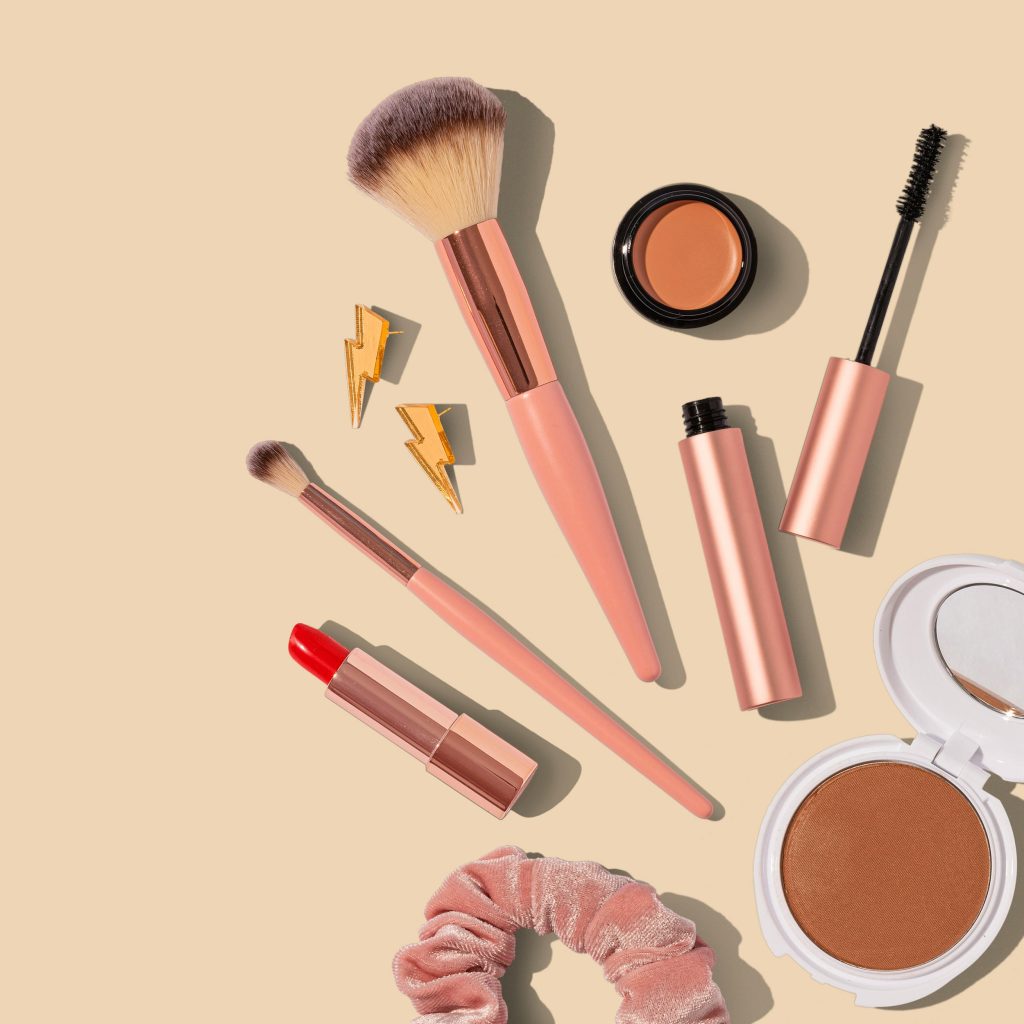
A beginner makeup routine does not need to include dozens of products. Start with the basics and choose formulas that match your skin type, comfort level, and desired finish.
1. Primer
Primer helps prepare your skin for makeup. It can smooth texture, reduce shine, add hydration, or help foundation last longer.
- Oily skin: Choose a mattifying primer.
- Dry skin: Choose a hydrating primer.
- Combination skin: Use mattifying primer on oily areas and hydrating primer on dry areas.
- Sensitive skin: Choose fragrance-free and gentle formulas.
- Normal skin: Choose based on the finish you prefer.
2. Foundation
Foundation helps even out skin tone and create the base for the rest of your makeup. Beginners should choose a formula that feels comfortable and matches both skin tone and skin type.
- Oily skin: Matte or oil-free foundation.
- Dry skin: Hydrating liquid foundation or tinted moisturizer.
- Combination skin: Satin or natural-finish foundation.
- Sensitive skin: Mineral or fragrance-free foundation.
- Normal skin: Liquid, cream, powder, or skin-like formulas.
3. Concealer
Concealer helps cover blemishes, dark circles, redness, and uneven areas. The best concealer depends on what you want to cover and how your skin behaves.
- Oily skin: Long-wear matte concealer.
- Dry skin: Creamy hydrating concealer.
- Combination skin: Lightweight liquid concealer.
- Sensitive skin: Gentle formulas without common irritants.
- Normal skin: Choose based on coverage preference.
READ ALSO: Essential Skincare Tips
4. Setting Powder
Setting powder helps lock makeup in place and reduce shine. It is especially useful for oily and combination skin, but dry skin users should apply it lightly to avoid a cakey look.
- Oily skin: Apply powder to the T-zone or all over the face if needed.
- Dry skin: Use a small amount only where makeup creases.
- Combination skin: Focus powder on oily areas.
5. Blush
Blush adds color and freshness to the face. Beginners can choose between powder, cream, or liquid formulas.
- Oily skin: Powder blush may last longer.
- Dry skin: Cream blush can create a softer, more hydrated finish.
- Combination skin: Cream or powder blush can work depending on the area.
- Sensitive skin: Choose fragrance-free formulas.
6. Highlighter
Highlighter adds brightness to areas such as the cheekbones, brow bone, and inner corners of the eyes. Beginners should start with a subtle formula and build gradually.
- Oily skin: Use powder highlighter carefully to avoid extra shine.
- Dry skin: Cream or liquid highlighter can add glow.
- Normal skin: Most highlighter formulas can work well.
7. Setting Spray
Setting spray can help makeup last longer and improve the final finish. Different sprays offer different effects, such as matte, natural, or dewy.
- Oily skin: Choose a matte setting spray.
- Dry skin: Choose a hydrating setting spray.
- Sensitive skin: Choose alcohol-free or fragrance-free options when possible.
Key Makeup Ingredients to Look For
Understanding basic ingredients can help beginners choose products that match their skin needs.
Hyaluronic Acid
Hyaluronic acid helps attract and retain moisture. It is especially useful for dry skin, but it can also benefit normal and combination skin when used in lightweight formulas.
Glycerin
Glycerin is a humectant that helps draw moisture into the skin. It is commonly found in primers, foundations, and hydrating makeup products.
Salicylic Acid
Salicylic acid is often used in products for oily or blemish-prone skin. It can help manage clogged pores, but beginners with sensitive skin should use it carefully.
Niacinamide
Niacinamide is a popular ingredient that can help support the skin barrier, improve the appearance of uneven tone, and balance the look of oiliness.
Mineral Ingredients
Mineral makeup can be a good option for some sensitive skin types because many formulas are lighter and contain fewer potential irritants.
THE BEST MAKEUP ESSENTIALS FOR BEGINNERS
How to Build a Beginner Makeup Routine
Once you understand your skin type, you can build a simple routine that feels easy to follow. Beginners should focus on a few essential steps before adding more advanced products.
Step 1: Prepare Your Skin
Start with clean, moisturized skin. Skincare helps create a smoother base and can improve how makeup applies and lasts.
Step 2: Apply Primer
Use a primer that matches your skin type. Apply it mainly to areas where makeup fades, settles, or becomes shiny.
Step 3: Apply Foundation or Tinted Moisturizer
Choose light coverage if you want a natural look or medium coverage if you want a more polished finish. Blend well with a brush, sponge, or clean fingers.
Step 4: Use Concealer Where Needed
Apply concealer only to areas that need extra coverage, such as under the eyes, around the nose, or over blemishes.
Step 5: Set Your Makeup
Use setting powder or setting spray based on your skin type. Oily skin may need more powder, while dry skin may prefer a hydrating spray.
Step 6: Add Color
Apply blush and, if desired, a small amount of highlighter. Keep the look soft and build gradually.
Common Makeup Mistakes Beginners Should Avoid
Choosing makeup essentials becomes easier when you know what mistakes to avoid.
- Choosing products without considering skin type: A formula that works for one person may not work for another.
- Skipping skin preparation: Makeup applies better on clean and moisturized skin.
- Using too much foundation: Start with a thin layer and build only where needed.
- Ignoring patch tests: Patch testing is important, especially for sensitive skin.
- Using the wrong finish: Matte products may emphasize dryness, while dewy products may increase shine on oily skin.
- Not adjusting with the seasons: Skin can change with weather, stress, hormones, and lifestyle.
Makeup Tips for Each Skin Type
Tips for Oily Skin
- Use an oil-free primer and foundation.
- Set the T-zone with translucent powder.
- Choose long-wear formulas.
- Avoid applying too many heavy layers.
Tips for Dry Skin
- Hydrate well before applying makeup.
- Choose cream or liquid formulas.
- Avoid heavy powder on dry areas.
- Use a dewy or natural-finish foundation.
Tips for Combination Skin
- Use different products on different areas of the face.
- Apply mattifying primer only where needed.
- Use hydrating products on dry patches.
- Set oily areas lightly with powder.
Tips for Sensitive Skin
- Choose fragrance-free products.
- Patch test new makeup before full application.
- Avoid too many new products at once.
- Look for gentle and non-comedogenic formulas.
Tips for Normal Skin
- Experiment with different finishes.
- Keep your routine balanced.
- Use products that support skin health.
- Adjust formulas based on weather and occasion.
READ ALSO: Essential Skincare Tips
FAQ About Makeup Essentials for Beginners
What makeup products should a beginner start with?
A beginner should start with primer, foundation or tinted moisturizer, concealer, setting powder or spray, blush, and a simple lip product. These basics are enough to create a polished everyday look.
How do I know which foundation is right for my skin type?
Choose foundation based on your skin’s needs. Oily skin usually works better with matte or oil-free formulas. Dry skin often needs hydrating liquid formulas. Sensitive skin should look for gentle, fragrance-free options.
Is primer necessary for beginners?
Primer is not always required, but it can help makeup apply more smoothly and last longer. It is especially useful if you struggle with shine, dryness, texture, or fading makeup.
What is the best makeup for sensitive skin?
The best makeup for sensitive skin is usually fragrance-free, hypoallergenic, gentle, and non-comedogenic. Patch testing is recommended before using a new product on the entire face.
Should beginners use powder or cream products?
It depends on skin type. Powder products often work well for oily skin, while cream products can be more flattering on dry skin. Combination skin may benefit from using both strategically.
Conclusion
Makeup essentials for beginners become much easier to choose when you understand your skin type. Oily, dry, combination, sensitive, and normal skin each have different needs, and choosing the right formulas can improve both comfort and appearance.
Start with simple products such as primer, foundation, concealer, blush, and setting products. Then adjust your routine based on how your skin responds throughout the day.
Makeup should enhance your natural beauty while helping your skin feel comfortable. With the right products and a better understanding of your skin type, you can build a beginner makeup routine that feels confident, practical, and personalized.

Anna Parker
Anna Parker is a writer and beauty expert specializing in skincare routines, cosmetic ingredients, and holistic self-care practices. With extensive experience helping individuals achieve healthy, radiant skin and make informed beauty choices, Anna shares her knowledge on our platform.