Beauty Tips for Beginners: Choosing the Right Makeup and Moisturizers
Starting Your Beauty Journey the Smart Way
Walking down the beauty aisle at Target or Ulta for the first time can feel overwhelming. With thousands of products promising flawless skin and a perfect complexion, it’s easy to get lost in the noise. Rows of foundations, serums, and highlighters all seem to compete for attention, and without a plan, most shoppers end up grabbing whatever looks trendy on social media.
That’s exactly why beauty tips for beginners matter so much right now. The right approach saves you money, time, and countless skincare disasters. Instead of guessing, beginners who take a few extra minutes to understand their skin can avoid the trial-and-error cycle that drains both wallets and patience.
Why Getting the Basics Right Matters
According to a 2023 survey by the American Academy of Dermatology, nearly 60% of women under 25 admit they don’t know how to properly layer skincare and makeup. This confusion often leads to breakouts, wasted purchases, and frustration. Many end up mixing incompatible ingredients, like retinol and vitamin C in the same routine, without realizing it can irritate the skin.
Choosing the right makeup isn’t just about color matching. It’s about understanding your skin type, tone, and specific needs before swiping on that first foundation. A shade that looks perfect on a influencer’s video might oxidize differently on your own skin once it settles.
- Oily, dry, combination, or sensitive skin each require different formulas
- Undertones (warm, cool, neutral) affect which shades actually flatter you
- Ingredient lists matter more than flashy packaging or influencer hype
Even small details, like whether a foundation is water-based or silicone-based, can determine whether it lasts through a humid Texas summer or slides off by noon in Arizona heat.
Building a Foundation That Works
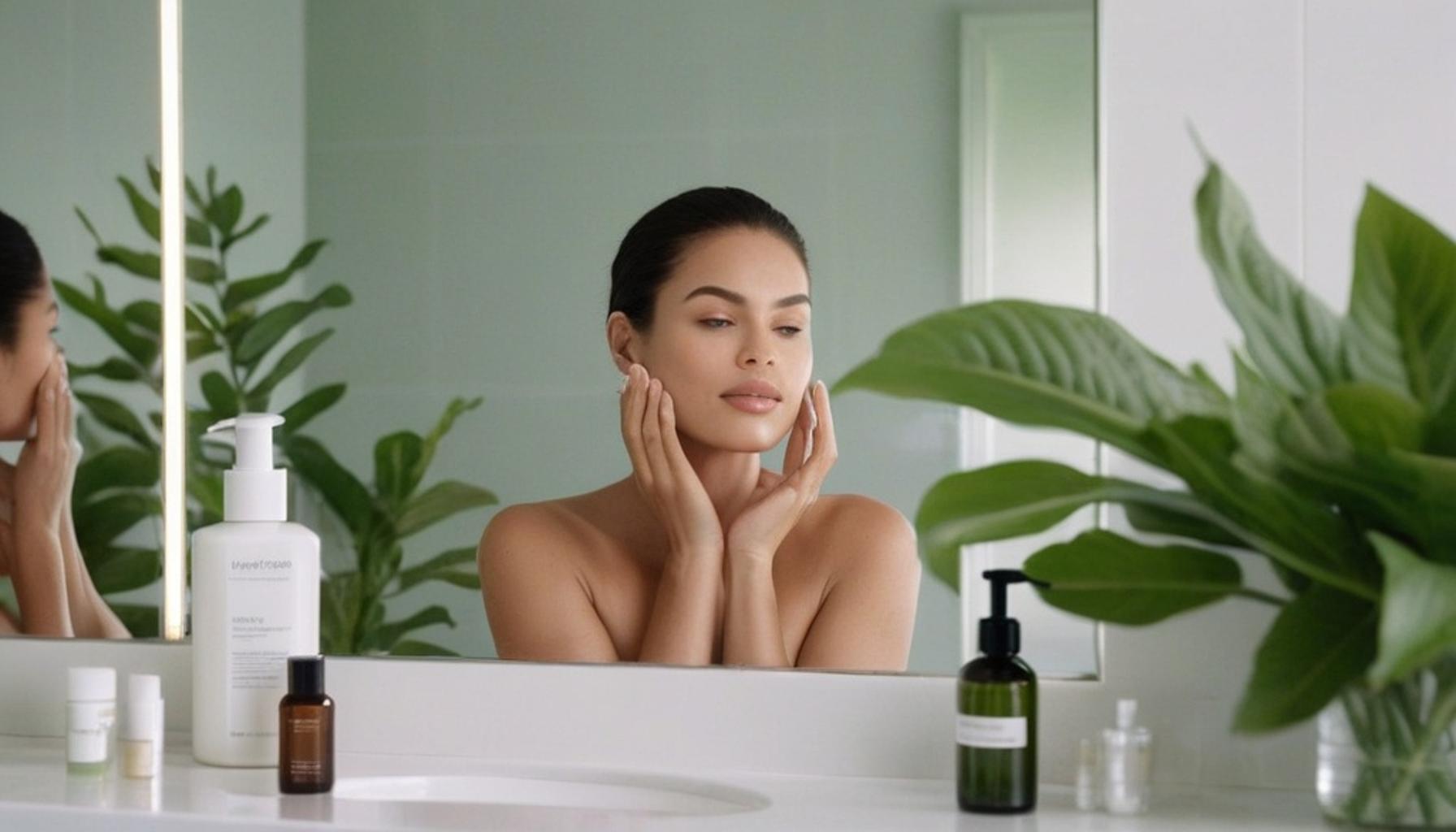
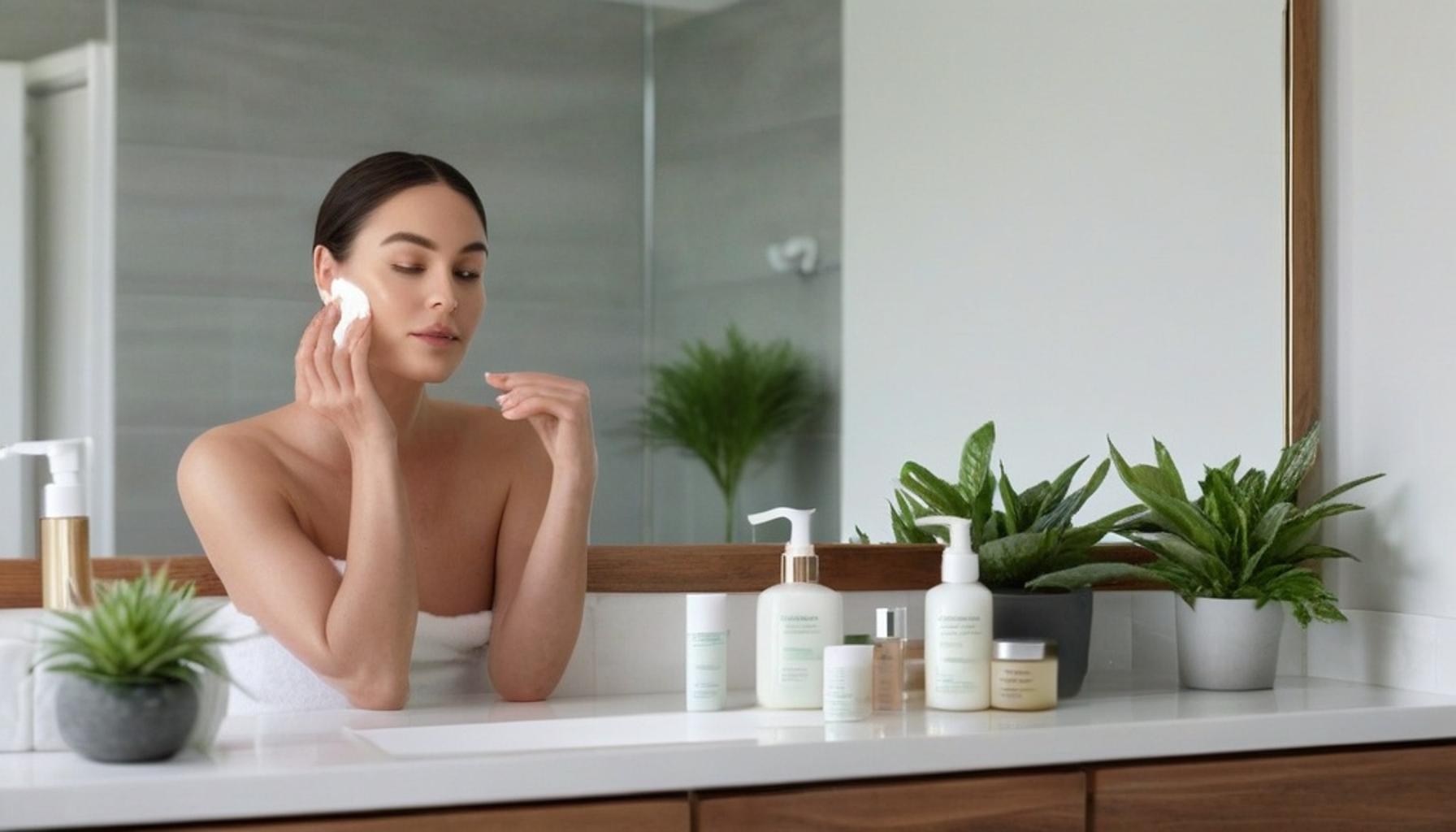
Finding the best moisturizers for beginners is equally crucial. A good moisturizer creates the canvas that makes every other product perform better, whether it’s a lightweight gel for oily skin in Florida or a richer cream for drier climates like Colorado.
This guide breaks down practical makeup tips for newbies, along with a straightforward beginner skincare routine you can start today. Expect real product categories, ingredient guidance, and simple beauty tips that actually work—no expensive guesswork required, just a smarter way to shop and experiment with confidence.
LEARN MORE: The Beginner’s Guide to Building a Skincare Routine: Order of Application and Knowing Your Skin Type
Decoding Your Skin Type Before You Shop
Before you even think about swatching a single foundation, there’s homework to do. Understanding your skin type is the single most important step in choosing the right makeup, yet it’s the one beginners skip most often. Dermatologists estimate that roughly 70% of first-time skincare shoppers misidentify their own skin type, which explains why so many products end up abandoned in bathroom drawers after two uses.
Here’s a simple test you can do tonight: wash your face with a gentle cleanser, pat it dry, and wait one hour without applying anything. Then check a few key zones.
- Shiny forehead, nose, and chin usually signal oily skin
- Tightness or flaking around the cheeks points to dry skin
- Oil in the T-zone paired with dry cheeks means combination skin
- Redness, itching, or stinging after product use suggests sensitive skin
This five-minute test costs nothing, yet it prevents dozens of dollars in wasted purchases. It’s one of the most simple beauty tips that beginners overlook simply because nobody tells them it exists.
Skin type isn’t fixed forever, either. Seasonal shifts, hormonal changes, and even geography can nudge someone from combination to dry or from normal to oily practically overnight. A person who moves from humid Miami to arid Phoenix might notice their reliable moisturizer suddenly falls short, while someone battling stress during finals week could see oil production spike out of nowhere. Retesting every few months, especially after a big life change or a cross-country move, keeps your routine accurate instead of relying on outdated assumptions from years ago.
Reading Labels Like a Pro
Once you know your skin type, ingredient lists start making a lot more sense. This is where many makeup tips for newbies get complicated fast, mostly because brands love using scientific-sounding names to justify premium pricing.
A few ingredients consistently deliver results regardless of the price tag. Hyaluronic acid pulls moisture into the skin, making it a staple in lightweight formulas. Niacinamide helps calm redness and control oil production, which is why it shows up in everything from serums sold at CVS to $80 department store creams. Glycerin, often overlooked, is a humble hydrating ingredient that works well in almost any climate, from humid New Orleans summers to dry Denver winters.
On the flip side, fragrance and alcohol-heavy formulas tend to trigger irritation in beginners who haven’t built up tolerance to active ingredients yet. Checking the first five ingredients on any label gives a strong clue about how a product will actually perform, rather than trusting the marketing claims printed on the front of the bottle.
Price tags rarely tell the whole story, either. Plenty of drugstore brands sold at Target or Walgreens use nearly identical active ingredients to their luxury counterparts, just packaged with less fanfare and a smaller marketing budget. Consumer Reports has repeatedly found that certain budget moisturizers perform on par with products costing five times more, simply because the core formulation overlaps almost entirely. Learning to spot those similarities on the back label, rather than judging a product by its front packaging, can save serious money over a year of shopping.
This attention to detail is what separates guesswork from an actual strategy, and it’s the foundation of every successful beginner skincare routine worth following long term. Once label literacy becomes second nature, choosing new products stops feeling like a gamble and starts feeling like an informed decision backed by actual evidence rather than glossy advertising alone.

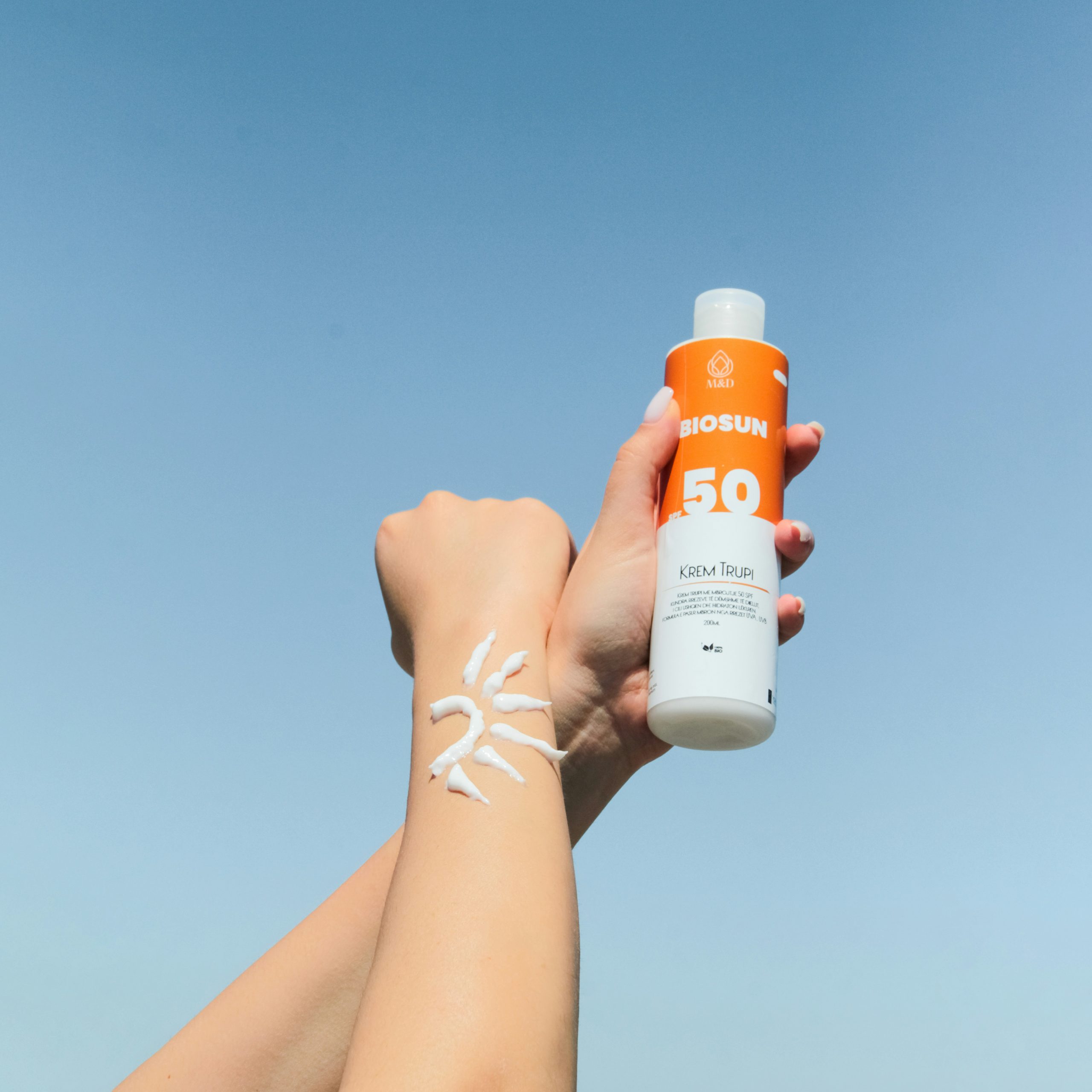
SEE ALSO: How to Choose the Right Sunscreen: Essential Tips for Every Beauty Routine
Building a Makeup Kit That Actually Works for You
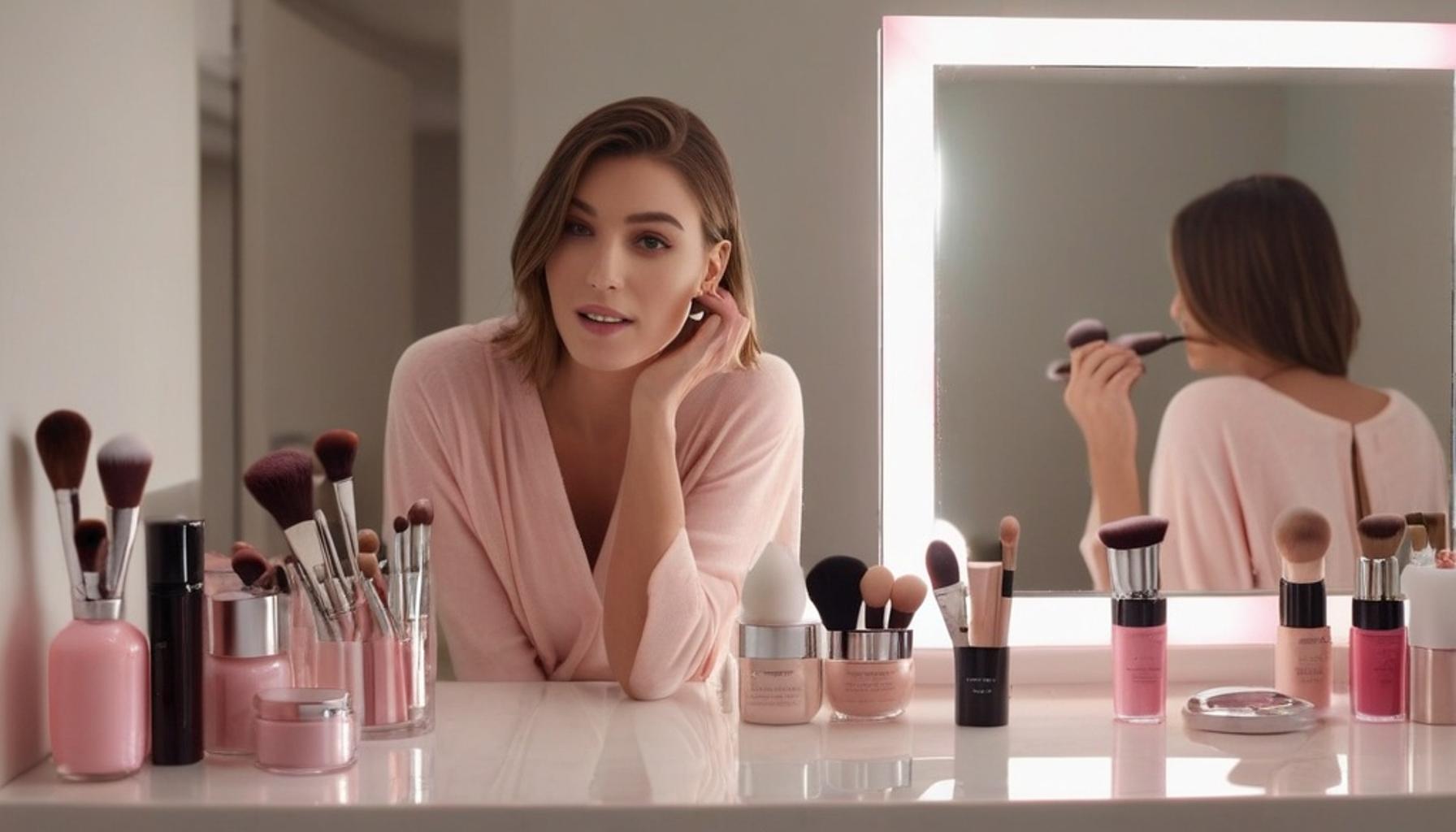
Walking into a Sephora or Ulta for the first time can feel like standing in front of a wall of a thousand identical-looking tubes. The truth is, choosing the right makeup doesn’t require dozens of products. It requires the right five or six, matched precisely to your skin type and undertone.
Foundation is usually the first stumbling block. Beginners often pick shades that look fine in store lighting but turn ashy or orange within an hour of sunlight exposure. A simple fix used by professional makeup artists is testing foundation along the jawline in natural daylight, never on the hand or wrist, since skin tone there rarely matches the face.
Undertone matters just as much as shade depth. Someone with cool pink undertones will look chalky in a warm golden foundation, no matter how well the depth matches. Drugstore brands like L’Oreal True Match and NYX Born This Way now offer shade-matching tools online, and many Target locations have consultants trained to help first-timers avoid the classic mismatch mistake.
Essential Products Worth the Investment
Not every item in a makeup aisle deserves a spot in a beginner’s routine. Prioritizing a handful of multitasking products keeps things simple and budget-friendly.
- A tinted moisturizer or BB cream for light, breathable coverage on low-maintenance days
- Concealer with a slightly lighter shade than foundation to brighten under the eyes
- Cream blush, which blends easily with fingers and looks natural on beginners still building blending skills
- A neutral eyeshadow palette with three to four shades for everyday wear
- Mascara, since it delivers the most visible impact for the least amount of skill required
These five items cover roughly 90% of everyday looks without requiring an overwhelming collection of brushes or techniques. This minimalist approach is one of the most practical makeup tips for newbies, since mastering fewer products well beats owning fifty items used incorrectly.
Matching Moisturizers to Real-Life Conditions
Moisturizer selection often gets treated as an afterthought, yet it plays a bigger role in how makeup performs than most beginners realize. Applying foundation over dry, flaking skin creates patchiness no amount of blending can fix.
Among the best moisturizers for beginners, gel-based formulas tend to suit oily and combination skin, since they hydrate without adding excess shine. Cream-based formulas with ceramides work better for dry skin, particularly during harsh winters in states like Minnesota or Michigan, where indoor heating strips moisture from the air.
Climate should factor into product choice just as much as skin type. Someone living in coastal California dealing with mild humidity year-round has very different needs than someone in dry, high-altitude Colorado. Adjusting moisturizer weight seasonally, lighter in summer, richer in winter, is a small habit that keeps any beginner skincare routine functioning properly across changing conditions rather than sticking rigidly to one formula regardless of the calendar.
Bringing It All Together: A Smarter Starting Point
Mastering beauty tips for beginners isn’t about owning the most products or following every trend spotted on social media. It comes down to understanding personal skin type, testing shades in real lighting, and building habits that adjust with the seasons rather than staying fixed year-round.
The overlap between skincare and makeup deserves more attention than most tutorials give it. A foundation that photographs beautifully on one person can look completely different on someone with drier skin or a different undertone, which is exactly why choosing the right makeup starts with knowing what’s happening underneath it first.
Moisturizer choice follows the same logic. There’s no single answer to what works, only what works for a specific skin type, climate, and season. This is why the best moisturizers for beginners are rarely the ones with the flashiest packaging, but the ones formulated for the exact conditions someone lives in, whether that’s humid Florida summers or bone-dry Arizona winters.
For anyone just starting out, a few simple beauty tips make the biggest difference: test products in daylight, prioritize five multitasking items over fifty, and treat moisturizer as the foundation, quite literally, of every look that follows.
None of this requires expertise or a large budget. It requires attention to detail and a willingness to adjust as skin, seasons, and needs change. Beginners who approach beauty this way tend to build a beginner skincare routine and makeup collection that lasts, rather than one abandoned after a few frustrating mismatched attempts.
The larger takeaway is simple: good makeup tips for newbies aren’t secrets locked away in professional kits. They’re practical, testable habits anyone can adopt starting with their very next trip down the beauty aisle.
Frequently Asked Questions
What are the most important beauty tips for beginners just starting a makeup routine?
Start with a good skincare base, including a gentle cleanser and moisturizer suited to your skin type, before applying any makeup. Invest in a few multi-purpose products like a tinted moisturizer, concealer, and mascara rather than a full kit. Learning to blend well and matching foundation to your exact skin tone will make a bigger difference than owning lots of products.
How do I choose the right moisturizer for my skin type as a beginner?
If your skin feels oily or breaks out easily, look for a lightweight, oil-free, non-comedogenic gel moisturizer. Dry or flaky skin benefits from richer creams with ingredients like hyaluronic acid, ceramides, or glycerin. If you’re unsure of your skin type, opt for a fragrance-free, gentle formula with SPF for daytime use.
Should I apply moisturizer before or after makeup?
Moisturizer should always go on before makeup, once your skin is clean and dry. Give it a minute or two to fully absorb so your foundation or concealer applies smoothly instead of sliding around. This step also helps prevent makeup from settling into dry patches or fine lines.
What makeup essentials should beginners buy first?
A good concealer, a natural-looking foundation or BB cream, mascara, and a neutral eyeshadow palette are great starting points. Add a cream or gel blush for a fresh look and a clear or tinted lip balm for everyday wear. These basics let you build a simple, versatile routine before experimenting with bolder products.
How do I find my correct foundation shade as a beginner?
Test foundation shades along your jawline in natural daylight rather than under store lighting, since it can distort colors. Choose a shade that disappears into your skin rather than sitting on top of it, and check that it matches your neck too. Many brands offer online shade-matching tools or samples, which are helpful for beginners buying makeup for the first time.
Do beginners need to use both a moisturizer and a primer before makeup?
Yes, moisturizer hydrates and preps your skin, while primer helps create a smooth canvas and extends the wear of your makeup. Applying moisturizer first, letting it absorb, then following with a primer gives the best base for foundation. If you have combination skin, look for a primer that controls shine in oily areas without drying out other parts of your face.

Anna Parker
Anna Parker is a writer and beauty expert specializing in skincare routines, cosmetic ingredients, and holistic self-care practices. With extensive experience helping individuals achieve healthy, radiant skin and make informed beauty choices, Anna shares her knowledge on our platform.