Makeup for Beginners: Essential Skincare Tips for Perfect Foundation
Why Great Foundation Starts With Skincare, Not Makeup
Nearly 70% of American women wear foundation regularly, yet countless beginners still struggle with cakey texture, patchy coverage, or that dreaded “flashback” in photos. The secret professional makeup artists rarely advertise? It has almost nothing to do with the product itself.
Makeup for beginners succeeds or fails based on what happens before the foundation ever touches your skin. Skipping proper preparation is the number one reason application looks uneven or breaks down by noon.
This guide breaks down the essential skincare tips for foundation that create that coveted airbrushed finish.
The Science Behind Skin-First Application
Dermatologists and makeup artists alike agree on one point: foundation is essentially a mirror of whatever lies underneath it. If your skin is dehydrated, flaky, or oily in patches, no amount of product—no matter how expensive—will glide on smoothly. Think of your skin as a canvas. Painters don’t apply oil paint to a rough, unprimed surface and expect a masterpiece, and the same logic applies to your face.
Hydration plays a starring role here. Skin that lacks moisture tends to grip onto powder particles unevenly, creating that chalky, cakey look so many beginners dread. On the flip side, oily skin without proper balancing can cause foundation to slide off by early afternoon, especially during humid summer months common across much of the United States.
Building a Simple Beginner Makeup Routine
A solid beginner makeup routine doesn’t require fifteen steps or a bathroom cabinet full of serums. It starts with cleansing, follows with a lightweight moisturizer suited to your skin type, and finishes with a primer that addresses your specific concerns, whether that’s minimizing pores, controlling shine, or adding a dewy glow.
Consistency matters more than complexity. Applying the same handful of products daily allows your skin to adjust and respond predictably, which in turn makes foundation application far more forgiving.
Choosing the Right Foundation Formula
Choosing the right foundation means understanding your skin type first. Dry skin generally benefits from dewy or hydrating formulas, while oily skin often performs better with matte or long-wear options. Combination skin, common among many Americans, may require blending techniques or even using two formulas in different zones.
Application Techniques and Essentials
Learning how to apply foundation properly involves tools as much as technique. Damp makeup sponges, dense buffing brushes, and even clean fingertips each produce different finishes. The makeup essentials for beginners worth investing in include a quality primer, a blendable foundation, and a setting spray to lock everything in place for hours.
LEARN MORE: Understanding Your Skin Type: Tips for Choosing the Best Toner and Essence
# Prepping Your Skin: The Foundation Before the Foundation
Skip skincare, and even the priciest foundation will separate, oxidize, or settle into fine lines within hours. This is the reality dermatologists see every day, yet it’s the step most tutorials rush through in favor of contouring tips and highlighter placement.
For anyone building a beginner makeup routine, the real transformation happens before a single drop of product touches the skin. Get this stage wrong, and every subsequent step becomes an uphill battle. Walk into any Sephora or Ulta across the country and you’ll notice beauty advisors increasingly steering first-time customers toward the skincare aisle before they ever swatch a foundation shade, a shift that speaks volumes about where the industry’s priorities have quietly moved.
Cleansing: The Non-Negotiable First Step
Foundation applied over unwashed skin traps oil, sweat, and yesterday’s sunscreen residue underneath it. This creates the perfect environment for clogged pores and breakouts, especially for those already prone to acne.
A gentle, pH-balanced cleanser removes surface debris without stripping the skin’s natural barrier. Dermatologists generally recommend cleansing twice daily, morning and night, using lukewarm water rather than hot, which can trigger excess oil production as skin compensates for lost moisture. Double cleansing, a method popularized through Korean skincare routines and now embraced widely across American beauty culture, has become particularly relevant for anyone wearing heavier, long-wear foundations that require an oil-based cleanser followed by a water-based one to fully dissolve.
Hydration: Where Most Beginners Go Wrong
Here’s a statistic worth remembering: skin that isn’t properly moisturized is significantly more likely to show foundation cracking within four to six hours of application, according to multiple studies on cosmetic wear-testing. Dehydration, not oiliness, is often the actual culprit behind midday makeup breakdown.
Choosing a moisturizer suited to your specific skin type matters immensely here. Consider the following breakdown:
- Dry skin: Look for cream-based moisturizers containing ceramides or hyaluronic acid
- Oily skin: Opt for oil-free, gel-based formulas that hydrate without adding shine
- Combination skin: Consider multi-masking or applying different products to the T-zone versus cheeks
- Sensitive skin: Fragrance-free, minimal-ingredient formulas reduce irritation risk
Waiting a full two to three minutes after moisturizing before applying primer allows the product to fully absorb, preventing that greasy slip-and-slide effect many beginners mistake for “too much moisturizer.” This small pause, often overlooked in rushed morning routines before work or school, can be the difference between a foundation that glides on smoothly and one that pills up in visible flakes.
Sun Protection: The Step That Doubles as Prevention
Sunscreen deserves its own spotlight in any skincare tips for foundation discussion. Beyond protecting against premature aging, a broad-spectrum SPF creates a smoother base that helps foundation adhere more evenly, particularly around the nose and forehead where oil production tends to spike throughout the day.
Considering that many parts of the United States experience high UV index readings for most of the year, from the intense sun of Arizona to the humid summers along the Gulf Coast, skipping this step isn’t just a cosmetic misstep but a long-term skin health gamble. Tinted mineral sunscreens have surged in popularity precisely because they merge protection with a lightweight, foundation-friendly finish, offering a two-in-one solution for anyone still mastering the fundamentals of their routine.
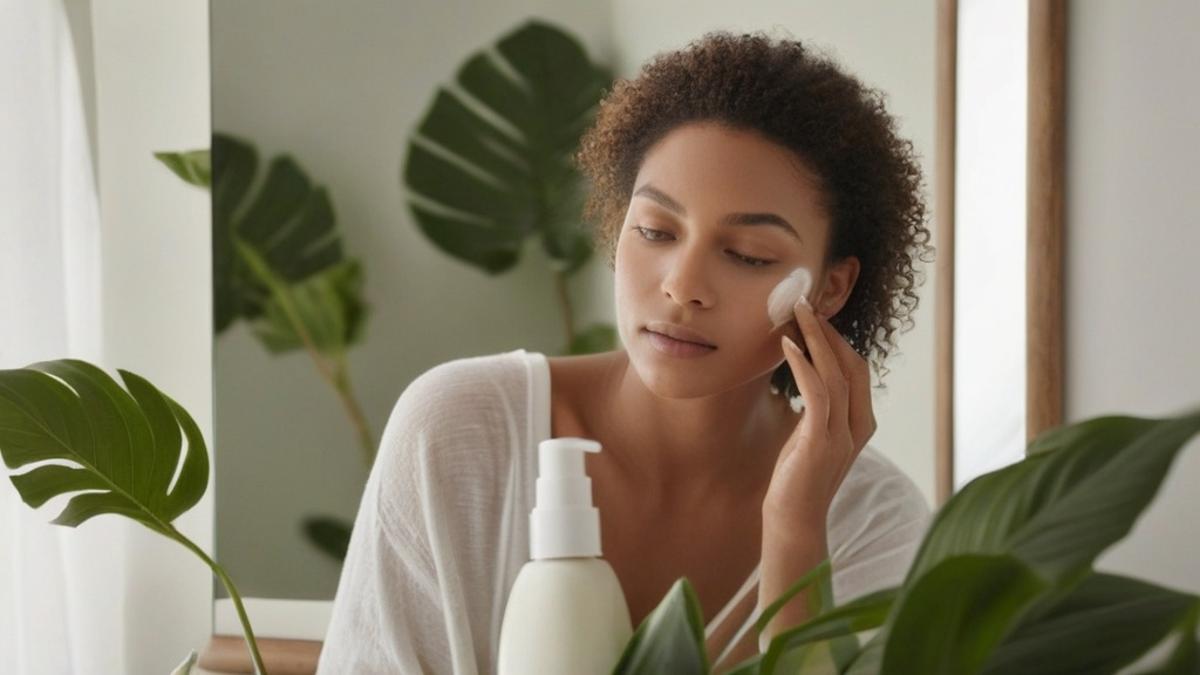
Essential Skincare Steps for a Flawless Foundation Finish
Mastering Makeup for Beginners starts long before the foundation bottle opens. A solid skincare routine determines whether your base looks airbrushed or patchy by noon. Below is a quick reference table highlighting the core skincare tips for foundation every newcomer should know before diving into a beginner makeup routine.
| Category | Key Benefit |
|---|---|
| Cleansing | Removes oil and debris, letting foundation grip evenly |
| Moisturizing | Prevents cakey texture, a common beginner mistake |
| Primer Application | Extends foundation wear by up to 8 hours |
| Choosing the Right Foundation | Matches undertone for a natural, seamless look |
| How to Apply Foundation | Blending technique avoids streaks and uneven coverage |
Each step above works together, proving that makeup essentials for beginners extend beyond the products themselves into daily habits that protect and prepare the skin.
RECOMMENDED: Discover Your Skin Type and Learn to Choose the Ideal Sunscreen
# Priming and Product Selection: Building Toward Flawless ApplicationOnce skin is cleansed, moisturized, and protected, the conversation shifts to the tools that bridge skincare and makeup. This middle stage is where many beginners either gain confidence or abandon their routine altogether out of frustration. Walk down any beauty aisle at Target or Ulta and the sheer volume of primers, foundations, and tools can feel overwhelming, but understanding the purpose behind each product turns confusion into a straightforward system.
Primer: The Underrated Middleman
Primer often gets dismissed as an unnecessary extra step, yet makeup artists across the industry consistently point to it as the difference between foundation that lasts through a full workday and foundation that needs touch-ups by lunch. In humid climates like Florida or during dry Colorado winters, this single product can determine whether makeup survives the day at all.
A good primer fills in enlarged pores, blurs fine lines, and gives foundation something smooth to grip onto. For anyone just learning how to apply foundation correctly, primer essentially acts as insurance against common application mistakes like streaking or patchiness. Skipping it is often the invisible reason foundation looks flawless in the mirror at home but breaks down by early afternoon.
Different formulas address different concerns:
- Silicone-based primers: Blur pores and create a soft-focus effect, ideal for photos
- Water-based primers: Lightweight and suited for everyday, natural makeup looks
- Color-correcting primers: Neutralize redness or dullness before foundation goes on
- Hydrating primers: Add an extra moisture boost for dry or mature skin types
Choosing the Right Foundation: Formula Matters More Than Brand
Choosing the right foundation involves far more than picking a flattering shade off a shelf at Target or CVS. Formula, finish, and coverage level all interact with your specific skin type in ways that determine whether the final look appears natural or cakey. A shade that photographs beautifully on a friend with combination skin might oxidize or separate entirely on someone with oilier skin by mid-morning.
Liquid foundations remain the most versatile starting point for beginners, offering buildable coverage that’s forgiving during the learning process. Powder foundations work well for oilier skin types but can emphasize dry patches, particularly around the nose and forehead. Stick foundations, meanwhile, have seen a resurgence thanks to their travel-friendly convenience and precise application, making them popular among busy commuters touching up on the go.
Testing shade matches along the jawline rather than the back of the hand remains one of the most consistently recommended tips among professional makeup artists, since the jaw better reflects how a shade will blend into the neck and chest. Standing near a window or stepping outside briefly to check the match in natural daylight can prevent the all-too-common mismatch discovered only after leaving the house.
Tools That Actually Make a Difference
Among makeup essentials for beginners, the applicator often gets overlooked in favor of the product itself. Yet damp makeup sponges, popularized by brands like the original beautyblender, distribute foundation more evenly than fingers by absorbing excess product rather than pushing it into pores. This bouncing technique, rather than dragging or rubbing, tends to produce a more natural, skin-like finish.
Synthetic brushes, meanwhile, offer more control for precise areas like around the nose, eyes, and hairline. Many beauty educators now suggest beginners keep both tools on hand, switching depending on the coverage and finish they’re aiming for that day. A quick sponge application might suit a casual grocery run, while a brush could better handle a full-coverage look for a special event or job interview.
Bringing It All Together: Skin First, Makeup Second
Mastering makeup for beginners is less about owning the trendiest products and more about respecting the order of operations. Skin that’s cleansed, moisturized, and protected creates the canvas that makes every later step easier. Skip that foundation of skincare, and even the most expensive foundation bottle from Sephora will struggle to perform as promised.
The core skincare tips for foundation covered throughout this guide all point to one truth: preparation determines outcome. Primer bridges the gap between skincare and color, while formula selection tailored to individual skin type prevents the oxidation, patchiness, or premature fading that frustrates so many newcomers.
Anyone still uncertain about how to apply foundation should remember that technique matters as much as product choice. A damp sponge bouncing product into skin, or a brush placed with intention around the nose and hairline, often outperforms an expensive foundation applied carelessly.
Building a reliable beginner makeup routine takes trial and error. Shades that looked perfect under store lighting may need adjusting once tested near a window at home. That’s normal, and it’s part of the learning curve every experienced makeup wearer once navigated too.
For those still choosing the right foundation or assembling their first kit of makeup essentials for beginners, patience pays off more than perfection. Start simple: a gentle cleanser, a broad-spectrum SPF, a primer suited to your skin’s needs, and one buildable foundation formula.
From there, expand gradually, testing textures and tools as confidence grows. Flawless foundation was never about talent alone. It’s a system, built one informed decision at a time.
Frequently Asked Questions
Do I need to moisturize before applying foundation, even if I have oily skin?
Yes, even oily skin needs hydration because skipping moisturizer can cause your skin to overproduce oil, leading to a shinier finish. Use a lightweight, oil-free, or gel-based moisturizer and let it fully absorb for about two minutes before applying foundation. This creates a smooth base and helps foundation last longer without sliding off.
How long should I wait after skincare before putting on foundation?
Wait at least 5 to 10 minutes after applying moisturizer and sunscreen so they can fully absorb into the skin. Applying foundation too soon can cause it to pill, separate, or slide around on the face. If you’re in a rush, gently pat your skin with a clean tissue to remove excess product before starting makeup.
What skincare mistakes make foundation look patchy or cakey on beginners?
The most common mistakes are skipping exfoliation, not moisturizing enough, and forgetting to prime the skin before foundation. Dry, flaky patches grab onto foundation and create uneven texture, so gentle exfoliation once or twice a week is essential. Using too much product at once, instead of building thin layers, also leads to a cakey appearance.
Should beginners use primer, or is moisturizer enough for foundation to last?
While moisturizer preps the skin, primer creates a smooth, even surface that helps foundation adhere better and last longer throughout the day. For beginners, a primer is especially helpful because it minimizes pores, controls shine, and prevents foundation from separating. Choose a primer suited to your skin type, such as mattifying for oily skin or hydrating for dry skin.

Anna Parker
Anna Parker is a writer and beauty expert specializing in skincare routines, cosmetic ingredients, and holistic self-care practices. With extensive experience helping individuals achieve healthy, radiant skin and make informed beauty choices, Anna shares her knowledge on our platform.