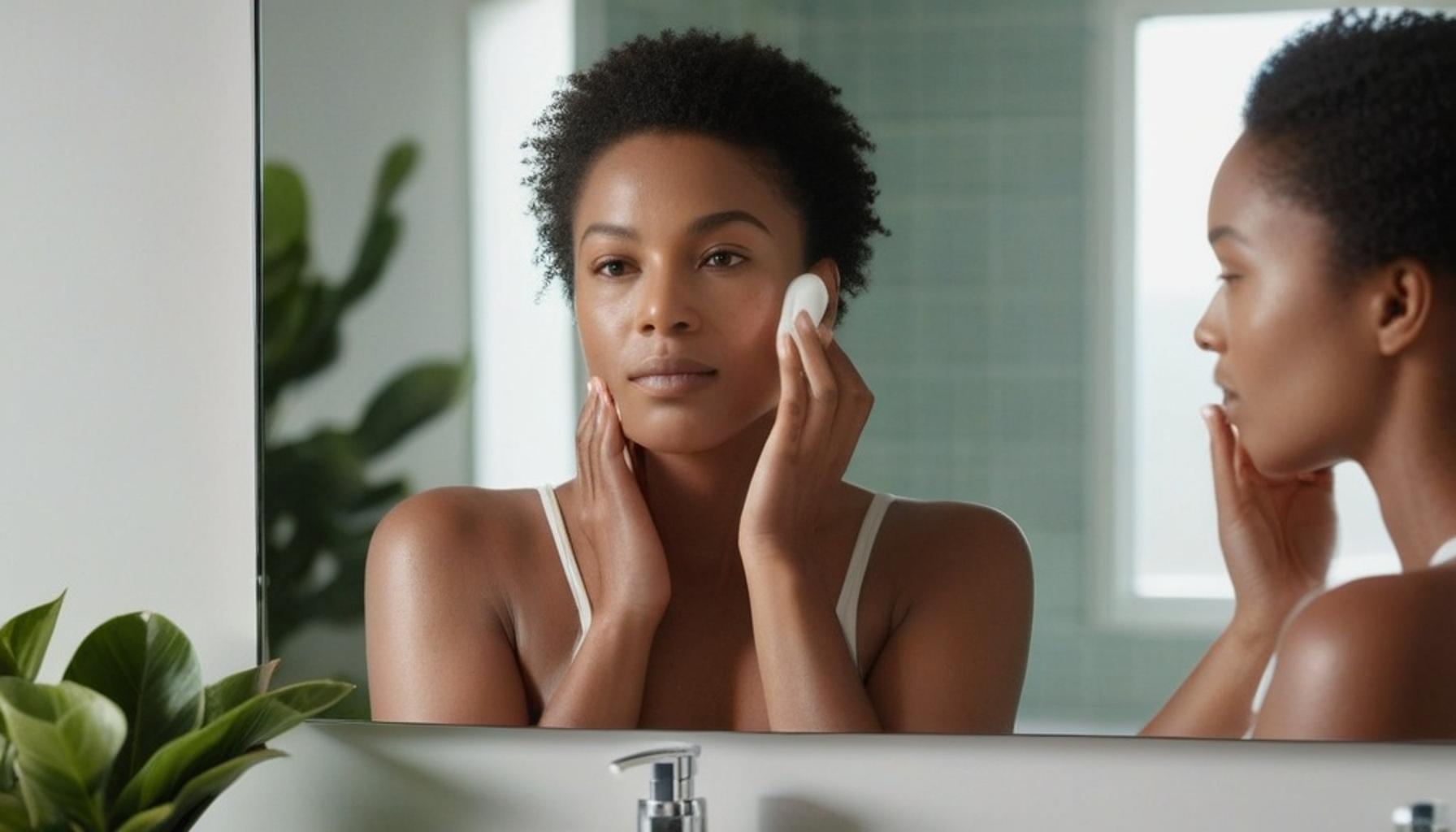
A Beginner’s Guide to Morning Skincare Routine and Makeup Application

Why Your Mornings Deserve a Better Beauty Strategy
Every morning, millions of Americans stand in front of a mirror wondering where to even begin. A solid morning skincare routine isn’t about owning twenty products—it’s about using the right ones in the right order. Between rushing to catch the subway in New York or beating traffic on the 405 in Los Angeles, most people have five to ten minutes, tops, to get their skin and face ready for the day.
According to dermatologists, skipping sun protection alone can undo years of good skincare habits. That’s just one reason a structured approach matters more than expensive serums. The American Academy of Dermatology has long emphasized that daily SPF use is one of the single most effective ways to prevent premature aging, dark spots, and even skin cancer—yet surveys consistently show that fewer than half of American adults apply sunscreen regularly. That gap between knowledge and action is exactly what a clear morning framework can fix.
What This Guide Covers
This is skincare for beginners made simple, breaking down a complex topic into manageable steps. Whether you’re 16 or 60, the fundamentals remain surprisingly consistent. A teenager dealing with breakouts and a fifty-something managing fine lines are, in many ways, following the same basic playbook—just with different product formulations.
- Cleansing techniques that won’t strip your skin’s natural barrier, including how water temperature and product pH actually matter
- Best products for morning skincare, including budget-friendly drugstore finds from brands like CeraVe, Neutrogena, and La Roche-Posay that dermatologists genuinely recommend
- Layering order for serums, moisturizers, and SPF, since applying products in the wrong sequence can cancel out their benefits entirely
- Makeup application tips for a natural, “no-makeup” makeup look that’s dominated social media trends and red carpets alike
- Makeup essentials for beginners—the five products you actually need, cutting through the overwhelming aisles of any Target or Ulta
A daily skincare regimen doesn’t require a Sephora haul or a ten-step Korean beauty routine. Research shows consistency outperforms complexity every time, and dermatologists frequently point out that patients who stick to three or four reliable steps see better long-term results than those chasing every viral trend.
Ready to transform those chaotic morning minutes into a routine that actually works? Let’s break down exactly what your skin—and your schedule—needs, starting with the very first step: cleansing.
CHECK OUT: Best Makeup Essentials for Beginners: Choose Products for Your Skin Type in 2026
Step One: Cleansing Without Stripping Your Skin
The first move in any effective morning skincare routine is cleansing, but here’s what most beginners get wrong: more scrubbing does not mean cleaner skin. Dermatologists at institutions like NYU Langone and Cleveland Clinic consistently point out that over-washing disrupts the skin’s protective barrier, leading to irritation, excess oil production, and even breakouts down the line. This barrier, made up of lipids and proteins, acts as a shield against pollutants, bacteria, and moisture loss, so treating it gently is not optional if long-term skin health is the goal.
Water temperature matters more than people realize. Hot water might feel satisfying on a groggy Monday morning, but it strips natural oils and can leave skin red and tight. Lukewarm water is the sweet spot recommended across nearly every dermatology guideline in the country. Some skincare enthusiasts even swear by finishing with a splash of cool water to help tighten pores temporarily, though experts note the effect is mostly cosmetic and short-lived rather than a permanent fix.
Choosing the Right Cleanser for Your Skin Type
Not every face wash belongs on every face. This is where skincare for beginners gets practical rather than theoretical, since using the wrong formula can quietly undo months of progress.
- Oily or acne-prone skin: Gel-based cleansers with salicylic acid, like those from Neutrogena, help control shine without over-drying
- Dry or sensitive skin: Cream or lotion cleansers, such as CeraVe Hydrating Cleanser, preserve moisture while still removing overnight buildup
- Combination skin: A gentle foaming cleanser strikes a balance, addressing oily zones like the forehead and nose without over-stripping the cheeks
- Normal or mature skin: Micellar water or a mild, fragrance-free cleanser is often enough for a quick morning refresh
The pH factor rarely gets mentioned outside dermatology offices, yet it’s surprisingly important. Human skin sits around 4.7 to 5.75 on the pH scale, and cleansers formulated outside that range can weaken the skin’s barrier over time. Brands like La Roche-Posay design their formulas specifically around this science, which is part of why dermatologists recommend them so frequently for a daily skincare regimen. Ingredient labels rarely advertise pH directly, so checking a brand’s official website or asking a dermatologist for guidance can save skin from unnecessary trial and error.
How Long Should Morning Cleansing Actually Take?
Contrary to what glossy skincare ads suggest, cleansing doesn’t need to eat up your morning. Thirty to sixty seconds of gentle, circular motion is plenty. Rinsing thoroughly matters just as much as the washing itself, since leftover residue can clog pores and interfere with whatever product comes next. Pat drying with a clean towel, rather than rubbing vigorously, also helps prevent unnecessary friction and micro-irritation.
For anyone tight on time between making coffee and catching the 7:15 train, this single step sets the tone for everything that follows. Skip it or rush it carelessly, and even the best products for morning skincare won’t perform the way they’re designed to. Once skin is clean, calm, and slightly damp, it’s ready for the next layer: targeted treatments and serums, which is exactly where the real transformation begins.

DON’T MISS: Click here for essential tips on choosing the right sunscreen for your skin type!
Step Two: Layering Serums, Moisturizer, and SPF the Right Way
Once skin is clean, the order in which products go on matters just as much as the products themselves. A common mistake among beginners is slathering on moisturizer first and serum second, which essentially blocks active ingredients from penetrating at all. The golden rule dermatologists repeat is simple: thinnest to thickest. This means water-based serums come before creams, and creams always come before sunscreen. Think of it like building a house, the foundation needs to go down before the walls, and the walls before the roof. Skip a layer or reverse the order, and the whole structure loses its purpose.
Serums Worth Understanding
Serums are concentrated, so a little goes a long way, and beginners often overuse them thinking more equals faster results. In reality, two to three drops covers the entire face. Vitamin C serums, such as those from SkinCeuticals or The Ordinary, are popular morning picks because they brighten skin and offer a layer of antioxidant protection against environmental stressors like pollution and UV exposure. Dermatologists often recommend storing these serums in a cool, dark place since vitamin C degrades quickly when exposed to light and air, turning a bright orange serum a dull brown over time.
Hyaluronic acid is another staple in a daily skincare regimen, prized for its ability to hold up to 1,000 times its weight in water. Applying it to slightly damp skin, rather than fully dry skin, helps lock in that hydration more effectively, according to studies published by the American Academy of Dermatology. Skipping this small detail is why some people report hyaluronic acid making their skin feel tighter or drier, the ingredient pulls moisture from wherever it can find it, including deeper skin layers, if there is not enough water on the surface to begin with.
Moisturizer: The Step Beginners Skip Too Often
Skipping moisturizer because skin feels oily is a mistake dermatologists see constantly. Oily skin still needs hydration, and depriving it often triggers even more oil production as the skin tries to compensate. Lightweight, gel-based moisturizers like Neutrogena Hydro Boost work well for oily and combination skin types, while richer creams such as CeraVe Moisturizing Cream suit drier complexions. Finding the right formula often takes some trial and error, and what works during humid summer months in cities like Miami may feel completely wrong come a dry Chicago winter.
- Oily skin: Oil-free, gel-based formulas that hydrate without adding shine
- Dry skin: Ceramide-rich creams that reinforce the skin barrier
- Sensitive skin: Fragrance-free options with minimal ingredient lists
Sunscreen Is Non-Negotiable
No morning skincare routine is complete without sunscreen, yet surveys from the Skin Cancer Foundation show nearly 43 percent of Americans skip it daily. Ultraviolet rays contribute to roughly 90 percent of visible skin aging, according to dermatology research, making SPF arguably the single most important anti-aging product available. Beyond wrinkles and dark spots, unprotected sun exposure remains the leading preventable cause of skin cancer nationwide, a statistic that health officials continue pushing to lower through public awareness campaigns.
Broad-spectrum SPF 30 or higher is the baseline recommendation, with formulas like EltaMD UV Clear or La Roche-Posay Anthelios frequently praised for sitting well under makeup. Applying roughly a nickel-sized amount to the face alone ensures proper coverage, since most people apply far less than what’s needed for real protection. Reapplication every two hours outdoors is equally important, though often forgotten once makeup is already in place.
This layered approach, cleanser, serum, moisturizer, sunscreen, forms the backbone of skincare for beginners and creates the smoothest possible canvas for whatever makeup routine comes next.
# Building a Routine That Actually WorksA solid morning skincare routine is not about owning the most products or following every trend on social media. It comes down to consistency, understanding what skin actually needs, and applying products in the correct order. Cleanser, serum, moisturizer, and sunscreen form a sequence that, once mastered, takes less than ten minutes but pays off over years.Makeup application follows a similar logic. The best results happen when skin is properly prepped, products are applied in thin layers, and tools are used with intention rather than guesswork. Beginners who focus on makeup application tips like blending in natural light and starting with a light hand often find they need far less product than they initially assumed.
Small Steps, Noticeable Results
Nobody perfects a daily skincare regimen overnight. Skin changes with seasons, stress, hormones, and age, which means routines built for beginners today may need adjusting a year from now. That flexibility is normal and expected.What matters most is starting somewhere. A gentle cleanser, one targeted serum, a reliable moisturizer, and broad-spectrum SPF cover the fundamentals more effectively than a ten-step routine done inconsistently.
Keep It Practical
For those just gathering their makeup essentials for beginners, resist the urge to buy everything at once. A tinted moisturizer, concealer, mascara, and a neutral lip product handle most everyday needs.As for the best products for morning skincare, price tags rarely correlate with effectiveness. Drugstore brands like CeraVe and Neutrogena consistently perform well in dermatological studies, proving that thoughtful ingredient selection beats marketing hype.Ultimately, skincare for beginners is a learning process, not a race. Pay attention to how skin responds, adjust when needed, and let the routine evolve naturally over time.
Frequently Asked Questions
What is the correct order for a morning skincare routine?
A basic morning skincare routine should follow this order: cleanser, toner (optional), serum, eye cream, moisturizer, and finally sunscreen. This layering method, from thinnest to thickest product, ensures each step absorbs properly before applying makeup. Always let sunscreen sit for a few minutes before starting your makeup application.
How long should I wait after skincare before applying makeup?
Wait at least 5 to 10 minutes after your last skincare step, usually sunscreen, before starting makeup. This allows products to fully absorb into the skin and reduces the chance of makeup pilling or sliding around. If you’re short on time, gently pat your skin with a tissue to remove excess product before applying foundation.
Do I really need sunscreen every morning even if I wear makeup?
Yes, sunscreen is essential every morning regardless of makeup, since most foundations and powders don’t provide adequate UV protection on their own. Apply a broad-spectrum SPF 30 or higher as the last step of your skincare routine, before primer or makeup. This habit protects against premature aging and sun damage even on cloudy days.
What’s the minimum morning skincare routine for beginners with limited time?
For beginners short on time, a simple three-step routine works well: a gentle cleanser, a lightweight moisturizer, and sunscreen. This covers the essentials of cleansing, hydration, and sun protection without overwhelming your morning schedule. You can add serums or treatments later once you’re comfortable with the basic steps.
How can I prevent my makeup from looking cakey over my skincare products?
To avoid cakey makeup, use lightweight, fast-absorbing skincare products in the morning rather than heavy creams, and always apply a primer suited to your skin type before foundation. Blot any excess oil or product with a tissue before makeup application. Building your foundation in thin layers rather than one thick application also helps maintain a natural finish.
Should my morning skincare routine be different from my nighttime routine?
Yes, your morning routine should focus on protection and prepping skin for makeup, using antioxidants like vitamin C and finishing with sunscreen. Nighttime routines typically focus on repair and renewal, incorporating active ingredients like retinoids or exfoliating acids that can increase sun sensitivity. Keeping these routines distinct helps maximize the benefits of each product while minimizing irritation.

Anna Parker
Anna Parker is a writer and beauty expert specializing in skincare routines, cosmetic ingredients, and holistic self-care practices. With extensive experience helping individuals achieve healthy, radiant skin and make informed beauty choices, Anna shares her knowledge on our platform.