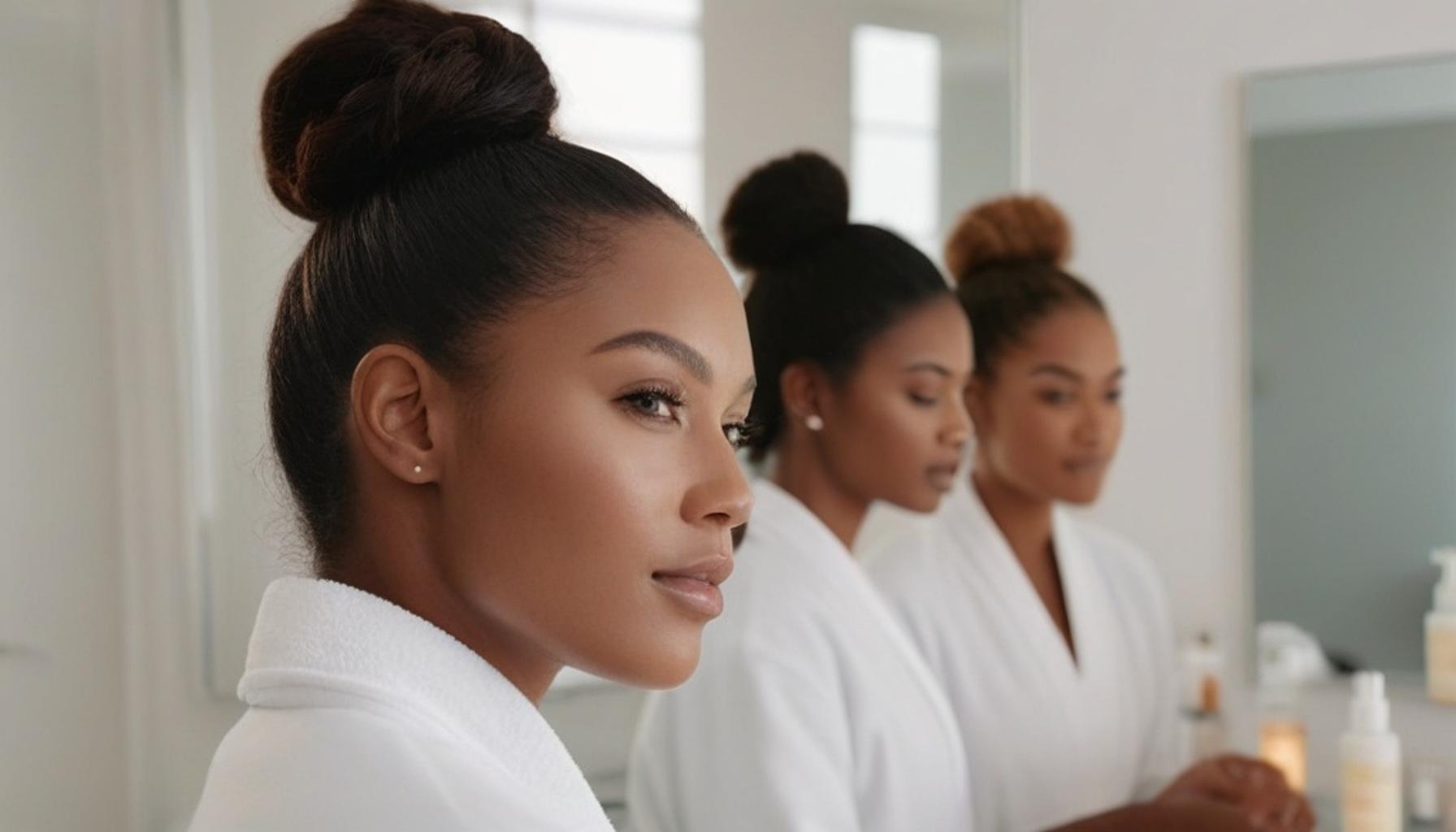
How to Create a Morning Skincare Routine: Tips for Beginners

Why Your Mornings Deserve a Skincare Strategy
Every morning, millions of Americans reach for coffee before they even think about their skin. Yet dermatologists agree that a solid morning skincare routine can be just as important as that first cup of caffeine for setting up your day. Think about it: while you’re scrolling through headlines or catching up on emails, your skin is already under attack from environmental stressors you probably haven’t considered.
Skin faces a barrage of stressors between 7 a.m. and lunchtime: UV rays, pollution, dry indoor heating, and even blue light from screens. Building the right defense doesn’t require a ten-step Korean regimen or a shelf full of serums. In fact, dermatology clinics from Los Angeles to New York City report that overcomplicating a routine often does more harm than good, leading to irritation, breakouts, or wasted money on products that don’t serve a real purpose.
What Beginners Actually Need to Know
If you’re just starting out, the sheer number of products on shelves at Target or Sephora can feel overwhelming. Walk down any skincare aisle and you’ll find dozens of cleansers, toners, and moisturizers promising miracle results. That’s why understanding how to build a skincare routine from the ground up matters more than chasing trends or influencer recommendations that may not suit your unique skin.
- Which skincare routine steps are truly essential versus optional
- The best products for morning skincare based on your budget and skin goals
- How morning skincare for different skin types — oily, dry, combination, or sensitive — changes your approach
- Common mistakes that waste money and time, such as layering incompatible actives or skipping sunscreen entirely
This guide breaks down practical skincare tips for beginners, offering a clear, no-nonsense roadmap. Rather than following a rigid formula, you’ll learn to identify what your specific skin type demands each day, whether that means lightweight hydration for oily skin or richer creams for dry patches during winter months.
By the end, you’ll know exactly what your skin needs each morning — and why. Consider this your starting point for cutting through marketing noise and building habits that actually protect your skin long-term, without draining your wallet or your patience.
SEE ALSO: How to Create a Morning Skincare Routine for Dry Skin
# The Essential Morning Skincare Routine Steps Everyone Should FollowBefore diving into products, it helps to understand the anatomy of a solid morning skincare routine. Dermatologists consistently point to four foundational skincare routine steps that apply regardless of your skin type or budget.Skip the complexity for a moment. At its core, an effective routine follows a simple sequence: cleanse, treat, moisturize, and protect. Everything else is customization.
Step One: Cleansing Without Stripping Your Skin
Your face doesn’t need a deep scrub first thing in the morning — that’s what your evening routine is for. A gentle, water-based cleanser removes overnight sweat and oil buildup without disrupting your skin’s natural barrier. The American Academy of Dermatology notes that over-cleansing is one of the most common mistakes beginners make, often leading to irritation or increased oil production as skin overcompensates.
For most people, a 30-second rinse with lukewarm water and a mild cleanser does the job. Hot water, despite feeling satisfying on a cold morning, actually strips essential oils and can leave skin more vulnerable throughout the day.
Step Two: Targeted Treatments
This is where serums or treatment products come into play, though beginners should approach this step with caution. A vitamin C serum, for example, has become a morning staple for good reason — it helps defend against free radical damage caused by UV exposure and pollution, two things you’ll encounter the moment you step outside.
Research published in dermatology journals suggests consistent vitamin C use can improve skin texture and brightness within 8 to 12 weeks, though results vary based on concentration and formulation.
Step Three: Locking In Hydration
Moisturizer isn’t optional, even if you have oily skin. The goal is finding a formula that matches your skin’s needs rather than skipping this step altogether.
Step Four: The Non-Negotiable Finish
Sunscreen. Full stop. Dermatologists across the country, from Miami to Seattle, agree this is the single most important product in any morning skincare routine, yet it’s frequently skipped or applied incorrectly.
Understanding how to build a skincare routine means recognizing that these four steps aren’t negotiable — they’re the framework everything else builds upon. Consider this breakdown:
- Cleanser: Removes impurities without disrupting pH balance
- Treatment serum: Addresses specific concerns like dullness or uneven tone
- Moisturizer: Maintains hydration and supports barrier function
- Sunscreen (SPF 30 or higher): Protects against UV damage and premature aging
Once these fundamentals click, you’ll have a clearer sense of which best products for morning skincare actually deserve space on your bathroom shelf.

RECOMMENDED: The Order of the Skincare Routine: How to Build Yours from Scratch
# Customizing Your Routine Based on Skin Type and Real-World ConditionsA generic routine only gets you so far. The real secret behind an effective morning skincare routine lies in adapting these steps to your specific skin type, climate, and lifestyle. What works in humid Houston summers won’t necessarily hold up during dry Colorado winters.
Reading Your Skin Type Correctly
Many beginners misdiagnose their own skin, which throws off every product decision that follows. Oily skin tends to look shiny by mid-morning and often deals with enlarged pores, while dry skin feels tight after cleansing and may show flaking around the nose or cheeks.
Combination skin — the most common type according to skincare surveys — typically runs oily through the T-zone while staying dry or normal elsewhere. Sensitive skin reacts quickly to new products with redness, stinging, or itching, often within minutes.
Understanding morning skincare for different skin types means adjusting texture and formulation, not necessarily the number of steps involved.
Adjusting Products for Your Environment
Someone living in Phoenix faces different environmental stressors than someone in Portland. Dry, arid climates call for richer moisturizers and possibly a hydrating mist layered before sunscreen. Humid regions along the Gulf Coast or Southeast often do better with gel-based, oil-free formulas that won’t feel heavy.
Seasonal changes matter too. Skin that feels balanced in July might feel stripped by January, even if you haven’t changed a single product. Rotating a heavier moisturizer into your routine during colder months is a practical, often overlooked adjustment.
Building Around a Budget
Beginners often assume effective skincare requires expensive department store brands. That’s not accurate. Drugstore options from brands like CeraVe, La Roche-Posay, and Neutrogena consistently earn praise from dermatologists for formulations backed by clinical research, often at a fraction of the price of luxury alternatives.
A reasonable starter budget breaks down like this:
- Cleanser: $8 to $15 for a quality gentle formula
- Vitamin C serum: $15 to $30 for an entry-level concentration
- Moisturizer: $12 to $20 depending on added ingredients
- Sunscreen: $10 to $18 for broad-spectrum SPF 30 or higher
That totals under $80 for a complete setup that could last two to three months with consistent use.
Timing and Layering Matter More Than You’d Think
Applying products in the wrong order can reduce their effectiveness entirely. A thick moisturizer applied before a serum, for instance, can block absorption. The general rule follows thinnest to thickest consistency, finishing with sunscreen as the final barrier.
Waiting roughly 60 seconds between layers gives each product time to absorb properly, a small habit that makes a noticeable difference over weeks of consistent use.
Building a Routine That Actually Sticks
Creating a morning skincare routine isn’t about chasing the most expensive products or copying a 10-step regimen you saw online. It’s about understanding your skin, respecting your climate, and staying consistent long enough to see real results.
Throughout this guide, the core skincare routine steps — cleansing, treating, moisturizing, and protecting with SPF — have stayed the same. What changes is how you apply those principles to your own life. A college student in humid Florida and a retiree in dry New Mexico shouldn’t be using identical products, even if their basic routine looks similar on paper.
These skincare tips for beginners work best when treated as a flexible framework rather than a rigid checklist. Skin changes with seasons, age, stress levels, and even diet, so revisiting your routine every few months isn’t excessive — it’s practical maintenance.
If you’re still wondering how to build a skincare routine that won’t collapse after two weeks, start small. Master four products before adding a fifth. Consistency beats complexity almost every time dermatologists weigh in on the subject.
When searching for the best products for morning skincare, remember that price doesn’t guarantee performance. Some of the most effective formulas sit on drugstore shelves for under $20, backed by the same active ingredients found in premium brands.
Skin is not static, and neither should your approach be. Pay attention to how your face responds week to week, adjust accordingly, and don’t be afraid to simplify when something isn’t working. The goal isn’t perfection — it’s a sustainable habit that protects and supports your skin, morning after morning, for years to come.
Frequently Asked Questions
What is the correct order of steps in a morning skincare routine?
A basic morning skincare routine should follow this order: cleanser, toner (optional), serum, eye cream (optional), moisturizer, and sunscreen. Applying products from thinnest to thickest consistency helps each layer absorb properly. Sunscreen should always be the last step to ensure maximum protection throughout the day.
Do I really need to wear sunscreen every morning, even indoors?
Yes, sunscreen is the most important step in any morning skincare routine because UV rays can penetrate windows and cause premature aging and skin damage even indoors. Dermatologists recommend a broad-spectrum SPF 30 or higher applied daily, rain or shine. Skipping this step is one of the most common mistakes beginners make.
How long should a beginner morning skincare routine take?
A simple beginner morning skincare routine should take about 5 to 10 minutes from start to finish. Focus on just four essentials: cleanser, moisturizer, sunscreen, and optionally a vitamin C serum for antioxidant protection. As your skin adjusts, you can gradually add more targeted products like eye cream or exfoliants.
Should I use a different moisturizer in the morning than at night?
It’s often helpful to use a lighter, more hydrating moisturizer in the morning since heavier night creams can feel greasy under makeup or sunscreen. Morning moisturizers with added antioxidants or SPF can also provide extra daytime protection. At night, you can switch to richer formulas that support skin repair while you sleep.

Anna Parker
Anna Parker is a writer and beauty expert specializing in skincare routines, cosmetic ingredients, and holistic self-care practices. With extensive experience helping individuals achieve healthy, radiant skin and make informed beauty choices, Anna shares her knowledge on our platform.