A Complete Skincare Guide for Beginners: How to Identify Your Skin Type

Why Your Skin Type Is the Foundation of Every Good Routine
Walk into any Sephora or Target beauty aisle in the United States, and you will find over 3,000 skincare products promising smoother, clearer, or more radiant skin. Yet dermatologists estimate that up to 70% of consumers use products mismatched to their actual skin type. That single mistake can trigger breakouts, irritation, or wasted money on serums that simply do not work.
Consider the twenty-something in Austin who spent nearly $200 on a trendy retinol serum, only to discover it left her already-dry skin flaking for weeks. Or the college student in Chicago whose oily T-zone kept breaking out because he layered on heavy, comedogenic creams marketed as “universal.” These are not rare stories. They are the predictable outcome of skipping one crucial step: identifying your skin type before shopping.
This skincare guide for beginners was built to fix that problem from the ground up. Before adding a single cleanser or moisturizer to your shelf, you need to understand what your skin actually needs, rather than what influencers or packaging claims suggest.
What This Guide Will Cover
Skin generally falls into five main categories, each with distinct signals that show up daily, often within hours of waking up:
- Oily skin — visible shine, enlarged pores, frequent breakouts, especially across the forehead and nose
- Dry skin — flaking, tightness, rough patches, and a feeling of discomfort after washing
- Combination skin — oily T-zone, drier cheeks, requiring two different treatment approaches on one face
- Sensitive skin — redness, stinging, reactions to new products, sometimes triggered by fragrance or weather changes
- Normal skin — balanced oil production, minimal concerns, though it still needs consistent care
Knowing how to identify skin type accurately changes everything downstream. It determines which ingredients calm your complexion, such as hyaluronic acid for dryness or salicylic acid for oiliness, and which ones make matters worse, like heavy oils on already-shiny skin.
Ahead, you will find a simple skin type quiz, practical skincare tips for dry skin and other conditions, plus a breakdown of the best skincare products for beginners available at drugstores nationwide. By the end, building a beginner skincare routine that actually delivers results will feel far less intimidating, and far more affordable than trial-and-error shopping.
CHECK OUT: The Ultimate Easy Beauty Routine for Beginners: Everyday Makeup Essentials and Sunscreen Selection
# The Science Behind Your Skin’s Behavior
Before diagnosing your skin type, it helps to understand why skin behaves the way it does. Every face produces sebum, an oily substance manufactured by glands beneath the skin’s surface. Genetics, hormones, climate, and even stress levels determine how much sebum your skin churns out daily. Sebum is not the enemy dermatologists once made it out to be. It actually plays a protective role, forming a natural barrier that keeps moisture locked in and environmental toxins locked out. The problem arises when production tips too far in either direction, leaving skin either drowning in oil or gasping for hydration.
Dermatologists at the American Academy of Dermatology note that skin type is not permanent. A person living through humid summers in Houston may notice oilier skin than during dry winters in Denver. Even indoor environments play a role, since blasting air conditioning or heating systems strip moisture from the air, which in turn pulls moisture from skin cells. This is precisely why a one-time guess rarely works, and why a proper skin type quiz should account for seasonal shifts, not just a single observation. Retaking the quiz every few months, especially around seasonal transitions, gives a far more accurate picture than relying on outdated assumptions from years past.
The Bare-Face Test: A Simple At-Home Method
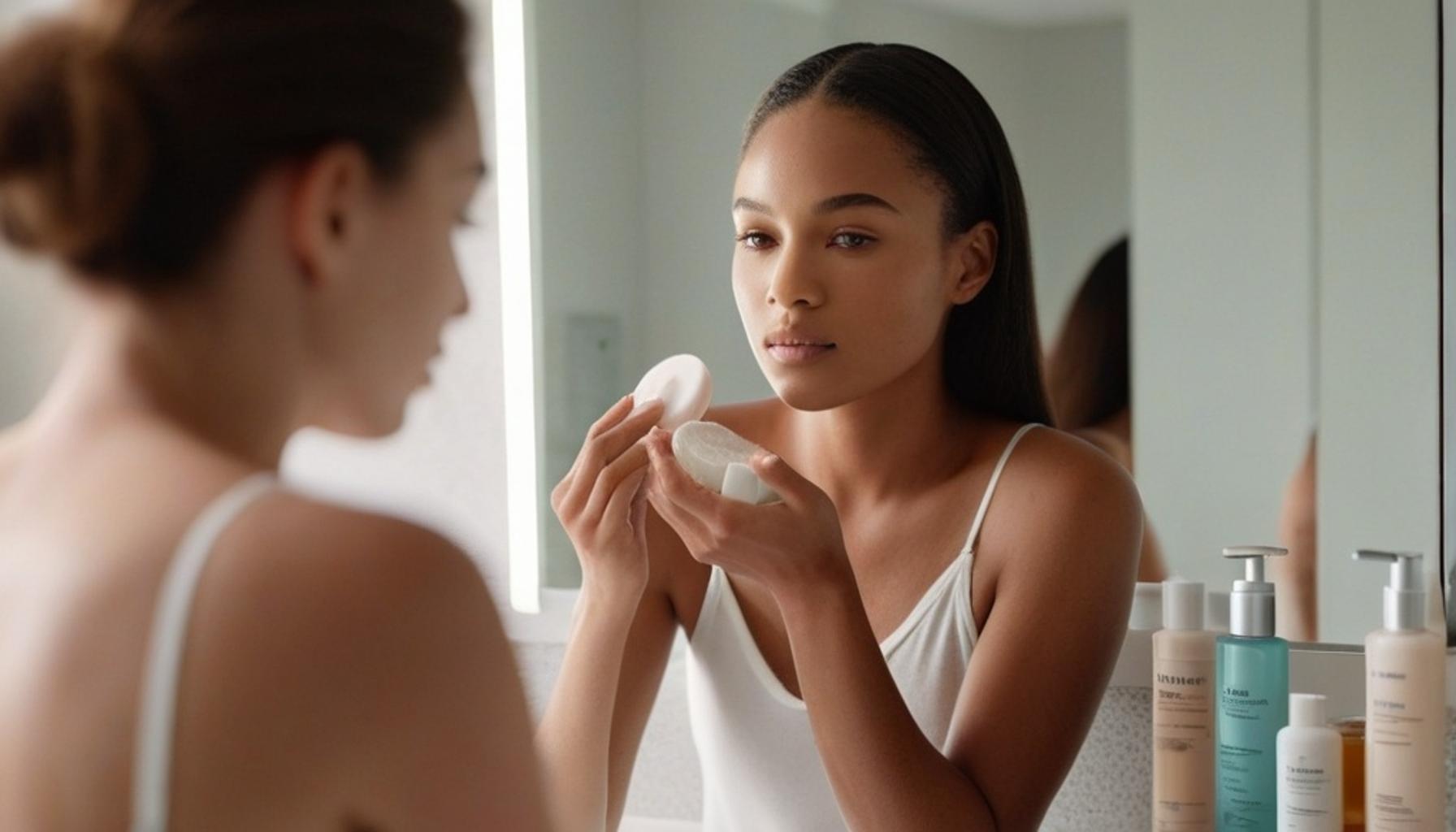
Estheticians frequently recommend a straightforward method that costs nothing and takes under an hour. This test forms the backbone of most professional skin assessments used in spas from Los Angeles to New York, and it requires no fancy equipment beyond a mirror and some patience.
- Step 1 — Wash your face with a gentle cleanser, removing all makeup and product residue
- Step 2 — Pat skin dry and apply nothing else, no moisturizer, no serum
- Step 3 — Wait 60 minutes and observe how your skin looks and feels
- Step 4 — Check specific zones: forehead, nose, cheeks, and chin
If shine appears across the entire face, oily skin is likely the diagnosis. If tightness or flaking shows up instead, dry skin is probably the culprit. Shine limited to the T-zone with normal or dry cheeks points toward combination skin, the most commonly reported category among American adults according to a 2022 survey by the Skin Care Foundation. Interestingly, that same survey found that nearly forty percent of respondents had misjudged their own skin type for years before receiving a professional assessment, suggesting that self-diagnosis without a structured test often leads people astray.
Why Guessing Wrong Costs More Than Money
Misidentifying skin type does not just waste cash on ineffective products. It can actively damage the skin barrier, the protective layer that locks in moisture and blocks irritants. Once that barrier weakens, skin becomes more vulnerable to redness, breakouts, and sensitivity that can take weeks or even months to reverse.
A person with genuinely dry skin who uses harsh, oil-stripping cleansers meant for acne-prone skin may develop microtears, increased sensitivity, and even premature fine lines. Meanwhile, someone with oily skin who avoids moisturizer altogether, fearing more grease, often triggers a rebound effect where glands overproduce sebum to compensate. This cycle can spiral, leading users to buy increasingly aggressive products that only worsen the underlying imbalance.
This is the foundation every skincare guide for beginners should start with. Skipping straight to trending products without this diagnostic step is like buying shoes without knowing your size, technically possible, but rarely comfortable, and almost never sustainable in the long run.

SEE ALSO: Toner vs Essence: Understanding the Essentials for a Natural Makeup Look and Healthy Beauty Habits
# Decoding the Four Primary Skin TypesOnce the bare-face test results come in, the next step involves matching those observations to a specific category. Dermatologists generally classify skin into four to five primary types, and understanding the distinct markers of each one prevents the guesswork that leads so many shoppers astray in the skincare aisle.
Oily Skin: More Than Just Shine
Oily skin produces excess sebum consistently, not just after a workout or a hot afternoon. Pores tend to appear larger, especially across the nose and forehead, and makeup often slides off by midday. Blackheads and occasional breakouts are common companions of this skin type, showing up most frequently along the classic T-zone but sometimes spreading across the entire face during humid summer months common in states like Florida or Louisiana.
Genetics plays the largest role here, though diet and humidity contribute too. A 2021 study published in the Journal of Clinical and Aesthetic Dermatology found that individuals with oily skin who used lightweight, non-comedogenic moisturizers actually reduced excess shine over eight weeks, compared to those who skipped moisturizer entirely. This directly contradicts the outdated belief that oily skin should avoid hydration altogether. Skipping moisturizer, dermatologists note, can actually trigger the skin to overcompensate by producing even more oil.
Dry Skin: Reading the Warning Signs
Dry skin often flakes, feels tight after cleansing, and can develop rough patches around the cheeks or jawline. Fine lines may appear more pronounced simply because the skin lacks the plumpness that adequate moisture provides. Seasonal shifts make this type particularly noticeable, with many people in colder regions like the Midwest or Northeast reporting worsened symptoms once indoor heating kicks in each winter.
Anyone searching for reliable skincare tips for dry skin should focus on ingredients like hyaluronic acid, ceramides, and glycerin, all of which help rebuild the skin’s moisture barrier rather than masking dryness temporarily. Harsh, foaming cleansers typically make this skin type worse, stripping away what little natural oil remains. Dermatologists frequently recommend cream-based or oil-based cleansers instead, paired with a thicker night cream to lock in moisture while the skin repairs itself overnight.
Combination and Normal Skin: The Nuanced Middle Ground
Combination skin, oily through the T-zone but drier or balanced elsewhere, requires a more tailored approach than a single all-purpose product can offer. Many beginners mistakenly treat their entire face the same way, applying oil-control products across dry cheeks and inadvertently causing irritation. A more strategic method involves using two different moisturizers, one lightweight gel for the center of the face and a richer cream for the outer edges.
Normal skin, meanwhile, shows minimal shine, minimal flaking, and few visible pores. It’s the least reactive of the categories, though “normal” does not mean maintenance-free. Even balanced skin benefits from sun protection and consistent hydration, since neglecting either can gradually shift the skin toward dryness or sensitivity over time, especially with age or prolonged sun exposure common in sunnier states like California or Arizona.
Sensitive Skin: The Category That Overlaps
Sensitive skin can technically layer on top of any of the four types above. Redness, stinging after product application, and reactions to fragrance or certain preservatives are the telltale signs. According to the American Academy of Dermatology, nearly half of Americans report some degree of skin sensitivity, making it one of the most underdiagnosed categories in everyday skincare routines. Many people mistake this reactivity for allergies, when in fact it often stems from a compromised skin barrier.
Building a Routine Around Your Results
Once identified, skin type should directly inform every step of a beginner skincare routine. The best skincare products for beginners are rarely the trendiest ones on social media, but rather formulas matched precisely to individual barrier needs, cleansers, moisturizers, and SPF chosen with restraint rather than impulse. Simplicity, at this early stage, consistently outperforms complexity, allowing the skin time to adjust before introducing more targeted treatments like retinoids or exfoliating acids.
Final Thoughts: Skin Type Is the Starting Point, Not the Finish Line
Every reliable skincare guide for beginners ultimately circles back to the same truth: nothing works until the foundation is correct. How to identify skin type isn’t a one-time exercise either, since skin shifts with age, climate, stress levels, and even hormonal changes tied to birth control or pregnancy. What tests as oily in a humid Houston summer might read as combination by the time a dry Colorado winter rolls around.
That’s precisely why revisiting the bare-face test every few months, or bookmarking a skin type quiz from a dermatology-backed source, makes more sense than assuming one diagnosis lasts a lifetime.
The broader lesson here extends beyond product selection. A properly matched beginner skincare routine builds resilience into the skin barrier itself, reducing the likelihood of breakouts, irritation, or premature fine lines down the road. Dermatologists consistently point out that most skin damage isn’t caused by aggressive products, but by mismatched ones used with good intentions.
Choosing the best skincare products for beginners should never depend on trending hashtags or five-star reviews written by strangers with entirely different skin. It depends on data gathered directly from one’s own face, patience, and a willingness to adjust course when something isn’t working.
Skincare, at its core, rewards observation over impulse. Those who take the time to truly understand their skin type before shopping tend to build routines that last years, not weeks.
Frequently Asked Questions
How can I tell if I have oily, dry, or combination skin at home?
Wash your face with a gentle cleanser, pat it dry, and wait about an hour without applying any products. If your entire face looks shiny, you likely have oily skin, while tightness or flaking suggests dry skin. Shine only in the T-zone (forehead, nose, chin) with normal cheeks points to combination skin.
What is the blotting sheet test and how do I use it?
The blotting sheet test involves pressing a clean blotting paper on different areas of your face after cleansing and waiting an hour. Hold the paper up to the light to see how much oil it absorbed from each zone. Heavy oil across the sheet indicates oily skin, minimal oil suggests dry skin, and oil only from the T-zone points to combination skin.
How do I know if my skin is sensitive rather than just dry?
Sensitive skin typically reacts with redness, stinging, burning, or itching when exposed to new products, weather changes, or fabrics, even if it isn’t visibly dry. Dry skin mainly shows flaking, rough texture, and a tight feeling without necessarily reacting to triggers. If your skin frequently becomes irritated by common ingredients like fragrance or alcohol, sensitivity is likely a separate concern to address alongside dryness.
Can my skin type change with the seasons or as I age?
Yes, skin type can shift due to weather, hormones, age, and lifestyle changes, so what worked in summer may not work in winter. Many people notice their skin becomes drier in colder months and oilier in humid weather, while skin often produces less oil naturally as you get older. It’s a good idea to reassess your skin type every few months, especially during seasonal transitions.
What’s the difference between dehydrated skin and dry skin?
Dry skin is a skin type that lacks natural oil production, while dehydrated skin is a temporary condition caused by a lack of water, and it can affect any skin type, including oily skin. Dehydrated skin often looks dull, feels tight, and may show fine lines, but it can improve quickly with hydrating products like hyaluronic acid. If oily skin still feels dehydrated after moisturizing, the issue is water content, not oil production.
As a beginner, how many new skincare products should I test at once to identify what my skin needs?
Introduce only one new product at a time and wait at least 3 to 7 days before adding another, so you can clearly identify what’s causing any breakouts or irritation. This patch-testing approach is especially important for beginners still learning their skin type and sensitivities. Starting with a simple routine of cleanser, moisturizer, and sunscreen makes it easier to build a personalized routine without overwhelming your skin.

Anna Parker
Anna Parker is a writer and beauty expert specializing in skincare routines, cosmetic ingredients, and holistic self-care practices. With extensive experience helping individuals achieve healthy, radiant skin and make informed beauty choices, Anna shares her knowledge on our platform.