Essential Beauty Habits: Choosing the Right Sunscreen for Your Makeup Routine
Why Sunscreen Deserves a Starring Role in Your Beauty Bag
Summer in cities like Miami, Phoenix, or Los Angeles means UV rays strong enough to damage skin in under 15 minutes. Yet millions of Americans still skip proper sun protection under their foundation. This oversight could be undoing every anti-aging serum and skincare investment made this year, leaving skin vulnerable to premature wrinkles, dark spots, and long-term damage that no amount of concealer can hide later.
Choosing the Right Sunscreen isn’t just about grabbing any bottle labeled SPF. It’s about understanding how sunscreen types for face interact with your foundation, concealer, and setting powder throughout a long workday. A mismatch between formulas can mean the difference between a flawless finish at 9 a.m. and a cracked, oily mess by lunchtime.
What This Guide Will Cover
Dermatologists report that improper sunscreen and foundation compatibility causes pilling, that frustrating flaky texture ruining makeup application. Getting this wrong wastes both product and time, and it often sends people back to the bathroom mirror mid-morning to fix a face that looked perfect just hours earlier.
- How to identify the best sunscreen for makeup based on your skin type
- Step-by-step methods for how to apply sunscreen with makeup without disrupting coverage
- Building a practical sunscreen routine for summer that survives humidity and sweat
- Common mistakes that reduce SPF effectiveness by nearly half
Beauty experts increasingly agree: sunscreen application technique matters just as much as the SPF number itself. A poorly layered SPF 50 can perform worse than a correctly applied SPF 30, which means the number on the label tells only part of the story. Timing, quantity, and even the order in which products go on the skin all play a role in whether that protection actually holds up.
This article breaks down the science, product options, and application tricks that actually work. Readers will discover why some formulas vanish seamlessly under makeup while others create an unwanted white cast or greasy finish by noon, and why certain textures labeled “for face” behave completely differently once foundation is layered on top.
Why This Matters More Than Ever
With rising skin cancer rates across the country and more people spending time outdoors year-round, understanding the mechanics behind sunscreen and makeup pairing has become essential knowledge rather than an optional beauty tip. What follows is a closer look at the formulas, techniques, and small adjustments that can transform sunscreen from an afterthought into the most valuable step in any daily routine.
CHECK OUT: Best Makeup Essentials for Beginners: Choose Products for Your Skin Type in 2026
Understanding Sunscreen Types for Face Before You Buy
Walk into any drugstore in Chicago or Dallas and the sunscreen aisle alone can feel overwhelming. Dozens of bottles promise SPF 30, 50, or even 100, but the real distinction that matters for makeup wearers isn’t the number. It’s the formula underneath.
There are two primary categories of sunscreen types for face, and each behaves completely differently once foundation gets layered on top. Understanding the science behind each type can save shoppers from wasted money and wasted mornings spent reapplying makeup that just won’t sit right.
- Chemical sunscreens absorb UV rays and convert them into heat, typically using ingredients like avobenzone or octinoxate. These tend to feel lightweight and blend easily, making them a popular choice under makeup. Many combination formulas found in drugstores across the Midwest rely on this technology because it dries down clear and fast.
- Mineral sunscreens, formulated with zinc oxide or titanium dioxide, sit on top of the skin and physically reflect UV rays. They’re gentler for sensitive skin but can sometimes leave a faint white cast, especially on deeper skin tones. This has pushed brands to reformulate with tinted micro-particles that blend more seamlessly into a wider range of complexions.
- Hybrid formulas combine both approaches, aiming to deliver broad protection while minimizing the drawbacks of either type alone. These are increasingly common in newer product launches, as brands try to satisfy both performance and skin-comfort demands.
Choosing the Right Sunscreen starts with knowing which category matches both your skin’s needs and your makeup goals. Someone with oily, acne-prone skin in humid New Orleans summers will likely need a different formula than someone with dry skin battling Denver’s arid climate. Even climate plays a quiet but powerful role in how a sunscreen performs from sunrise to sunset.
Why Formula Weight Changes Everything
Texture is where most makeup mishaps begin. A heavy, cream-based sunscreen might feel luxurious on its own, but layered under a matte foundation, it can lead to slipping, separation, or that dreaded pilling effect by mid-morning. This is especially frustrating for anyone rushing out the door before a nine-to-five in a warm-weather city like Phoenix or Miami.
Dermatologists often recommend gel-based or fluid sunscreens for anyone planning to wear a full face of makeup. These lighter textures absorb faster, creating a smoother base for foundation, concealer, and setting powder to grip onto. Some formulations even include silica or polymers designed specifically to blur pores before makeup application begins.
According to skincare industry data, nearly 60 percent of consumers report abandoning a sunscreen product because of how it felt under makeup, not because of the SPF level itself. That statistic alone reframes the conversation. Sunscreen and foundation compatibility isn’t a minor detail. It’s often the deciding factor in whether a product gets repurchased or tossed after one use, sometimes representing dozens of dollars quietly wasted in bathroom cabinets nationwide.
Matching Formula to Skin Type
Before locking in a favorite, it helps to consider how skin behaves throughout the day, not just at the moment of application. Humidity, air conditioning, and even altitude can all shift how a sunscreen wears over several hours.
- Oily and combination skin generally pairs best with oil-free, matte-finish sunscreens that resist breaking down by lunchtime.
- Dry skin benefits from hydrating formulas containing hyaluronic acid or ceramides, which help prevent that flaky, cakey look under foundation.
- Sensitive or reactive skin often tolerates mineral sunscreens better, reducing irritation risk and redness triggered by fragrance or chemical filters.
Getting this foundation right, quite literally, sets the stage for everything that follows in a makeup routine, from primer to the final swipe of setting spray. A well-matched formula can mean the difference between makeup that survives a full workday and one that needs constant touch-ups before noon.
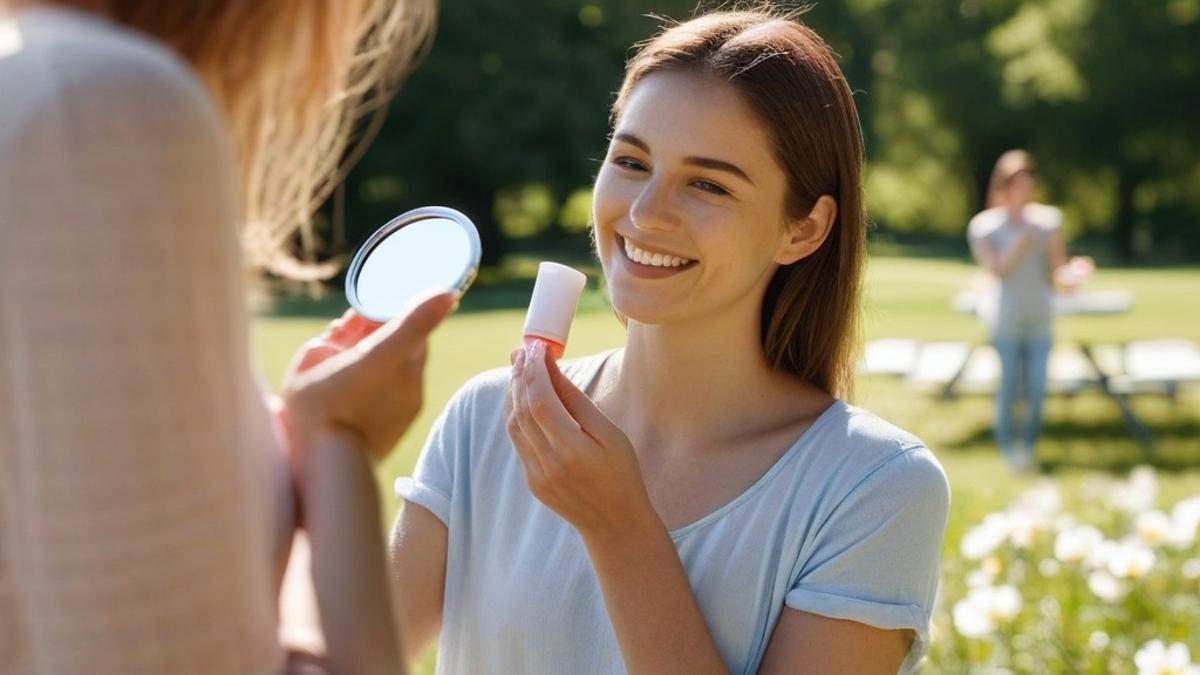
Choosing the Right Sunscreen: Key Aspects at a Glance
When choosing the right sunscreen for your daily makeup routine, understanding the different formulations and their compatibility with foundation can make a real difference. The table below breaks down essential categories to help you find the best sunscreen for makeup and build a reliable sunscreen routine for summer or year-round protection.
| Category | Key Insight |
|---|---|
| Sunscreen Types for Face | Mineral filters like zinc oxide suit sensitive skin, while chemical filters absorb faster under makeup. |
| Sunscreen and Foundation Compatibility | Lightweight, non-greasy formulas prevent pilling and help foundation glide smoothly. |
| Application Technique | Applying sunscreen with makeup requires a thin, even layer before primer for maximum SPF efficacy. |
| SPF Level and Reapplication | SPF 30-50 offers strong daily defense; powder SPF allows reapplication over makeup. |
RECOMMENDED: A Beginner’s Guide to Morning Skincare Routine and Makeup Application
How to Apply Sunscreen With Makeup for All-Day Wear
Even the best product on the market fails if the application order is wrong. Layering sunscreen with makeup isn’t just about slapping on lotion and moving to foundation. It follows a sequence that dermatologists have refined based on how skin actually absorbs and holds product, and getting that sequence backward can undo the protective benefits entirely, no matter how expensive the sunscreen bottle sitting on the bathroom counter happens to be.
The general rule taught in skincare circles from New York to Los Angeles is simple: thinnest to thickest. Sunscreen typically comes after moisturizer but before primer, giving it roughly two to three minutes to settle before the next layer goes on. Rushing this step is one of the most common reasons makeup pills or slides by midday, leaving behind those frustrating little flecks of product that seem to appear out of nowhere around lunchtime.
- Step one: Cleanse and apply a lightweight moisturizer suited to your skin type, whether that means a gel formula for oily skin or a richer cream for dry patches.
- Step two: Apply sunscreen generously, using roughly a quarter-sized amount for the face and neck combined, then wait a few minutes before moving forward.
- Step three: Follow with primer if desired, then foundation, blending in gentle, patting motions rather than aggressive rubbing that can drag the sunscreen layer around.
- Step four: Set with a translucent powder, which can also help absorb any residual sunscreen sheen that tends to linger on the T-zone.
Skipping the waiting period is where most people go wrong. Applying foundation onto wet sunscreen almost guarantees streaking, especially with liquid or cream formulas that need a dry base to grip onto. That short pause, often shorter than the time it takes to scroll through a few phone notifications, makes a measurable difference in how smoothly everything blends afterward.
Reapplication: The Step Most People Skip Entirely
Dermatologists widely agree that sunscreen needs reapplication every two hours for full protection, yet a majority of makeup wearers admit they rarely do this once foundation is set. Surveys on sun safety habits suggest fewer than 30 percent of women reapply sunscreen over makeup during a typical day, largely because they assume it will ruin their look or require a full makeup redo in a public restroom mirror.
This is where powder sunscreens and setting sprays with SPF have become genuinely useful tools rather than marketing gimmicks. Brands have responded to this exact gap in consumer behavior, creating mineral-based powders that can be dusted over makeup without disturbing foundation underneath, some even designed with brush applicators built directly into the compact for convenience on the go.
- Powder sunscreens work best for quick midday touch-ups, particularly for oily or combination skin prone to shine and breakthrough grease by early afternoon.
- SPF setting sprays offer broader, more even coverage and suit dry or normal skin types needing a hydration boost alongside sun protection, plus they double as a quick refresh for tired-looking makeup.
Building a sunscreen routine for summer means planning around these touch-up moments, especially for anyone commuting, attending outdoor events, or spending lunch breaks outside in cities like Austin or San Diego, where UV exposure remains high nearly year-round. A well-timed reapplication habit protects both skin health and the makeup investment sitting on top of it, turning a small daily inconvenience into a long-term payoff for skin that ages noticeably slower.
DISCOVER MORE: Click here to learn about your skin type
Making Sun Protection a Non-Negotiable Beauty Habit
Choosing the right sunscreen for a makeup routine turns out to be less about luck and more about strategy. From understanding sunscreen types for face use to mastering the correct layering order, every step covered here builds toward one outcome: skin that stays protected without sacrificing a flawless finish.
The research is clear on why this matters. Dermatology data consistently shows that daily SPF use reduces the risk of premature aging and skin cancer, yet inconsistent application remains common among makeup wearers nationwide. That gap between knowing and doing is exactly where most skin damage quietly accumulates over the years.
Revisiting the core lessons helps cement the habit. Sunscreen and foundation compatibility depends heavily on formula choice, mineral versus chemical filters behave differently under makeup, and application order can make or break the final look. Learning how to apply sunscreen with makeup correctly, waiting those crucial few minutes before foundation, prevents pilling and keeps coverage looking natural through the day.
A few final considerations worth carrying forward:
- Reapplication tools like powder SPF or setting sprays remove the excuse of “ruining makeup” as a reason to skip protection.
- Seasonal changes call for adjusting formulas, a lightweight gel sunscreen for humid Southern summers differs greatly from what dry winter climates in the Midwest demand.
- Reading ingredient labels regularly helps catch reformulations, since brands often tweak filters or textures without much public notice.
Ultimately, building a reliable sunscreen routine for summer and beyond is less about finding one perfect product and more about developing a flexible system that adapts to skin type, climate, and daily activity. The payoff, skin that looks better now and ages more gracefully later, makes that extra two minutes each morning one of the smartest beauty investments anyone can make.
Frequently Asked Questions
Should I apply sunscreen before or after my moisturizer in my makeup routine?
Apply sunscreen after moisturizer but before makeup, letting each layer absorb for about a minute. This order ensures the SPF sits on top of skin where it can properly filter UV rays. Skipping this sequence can dilute the sunscreen’s effectiveness and leave you underprotected.
What SPF level should I look for when choosing a sunscreen to wear under makeup?
Dermatologists recommend a broad-spectrum SPF of at least 30 for daily wear under makeup. If you spend a lot of time outdoors or live in a sunny climate like much of the U.S. Southwest, SPF 50 offers extra protection. Always check that the label says broad-spectrum, since this protects against both UVA and UVB rays.
Can I skip separate sunscreen if my foundation already has SPF?
Foundation with SPF alone usually isn’t enough because most people don’t apply the thick, even layer needed to reach the labeled SPF level. It’s best to use a dedicated sunscreen first, then layer SPF-infused makeup on top for added protection. Think of foundation SPF as a bonus, not your primary defense.
How do I choose a sunscreen that won’t cause my makeup to pill or separate?
Look for lightweight, silicone-based or gel-cream sunscreen formulas labeled ‘makeup-friendly’ or ‘primer-like,’ as these tend to blend smoothly without pilling. Avoid heavy, greasy sunscreens if you’re layering multiple products, since excess oil can break down foundation. Testing a small amount on your hand before full application can help you spot compatibility issues early.
Is a chemical or mineral sunscreen better for wearing under makeup?
Chemical sunscreens tend to be thinner and absorb faster, making them ideal for a smooth makeup base, while mineral sunscreens sit on top of skin and offer gentler protection for sensitive or acne-prone skin. Your choice depends on your skin type and tolerance, but both work well when paired with the right primer. Many people in the U.S. now opt for hybrid formulas that combine both for balanced benefits.
How often should I reapply sunscreen throughout the day if I’m wearing makeup?
You should reapply sunscreen every two hours, even with makeup on, especially during peak sun exposure between 10 a.m. and 4 p.m. Use setting sprays or powder sunscreens designed to go over makeup without disturbing your look. This habit is crucial for maintaining protection since most SPF breaks down or wears off throughout the day.

Anna Parker
Anna Parker is a writer and beauty expert specializing in skincare routines, cosmetic ingredients, and holistic self-care practices. With extensive experience helping individuals achieve healthy, radiant skin and make informed beauty choices, Anna shares her knowledge on our platform.