Understanding Your Skin Type: The Key to Achieving a Natural Makeup Look
# Why Your Skin Type Is the Secret to Flawless, Natural MakeupEver notice how your foundation looks perfect at 8 a.m. but cakey or oily by noon? The culprit usually isn’t the product—it’s a mismatch between your makeup routine and your actual skin type. Understanding your skin type is the foundation (literally) of any makeup look that reads as effortless rather than “done.”Dermatologists estimate that most people misidentify their skin type, often confusing dehydration with oiliness or sensitivity with dryness. This single mistake can derail even the most expensive skincare and makeup routines. Someone battling shine on their nose by lunchtime might load up on oil-absorbing powders, not realizing their skin is actually dehydrated and compensating by overproducing oil. The result is a cycle of frustration, wasted products, and makeup that never quite behaves the way the influencer promised.
What You’ll Discover in This Guide
Before reaching for another trending product, it helps to know exactly what you’re working with. This article breaks down:
- How to identify skin type using simple at-home tests, like the bare-face method where you cleanse, wait an hour, and observe how your skin behaves without any product interference
- The five primary skin categories: oily, dry, combination, sensitive, and normal, along with the subtle signs that distinguish one from another
- Best natural makeup for oily skin, including mattifying techniques and blotting strategies that last through humid summers in places like Houston or Miami
- Solutions for makeup for dry skin that avoid flaking and emphasize dewy radiance instead of chalky patches
- Combination skin makeup techniques for balancing an oily T-zone with drier cheeks, a challenge that affects a surprisingly large share of the population year-round
Whether you’re prepping for a Texas heatwave or a dry Colorado winter, your skin’s needs shift with more than just genetics. Climate, hormones, and even stress levels play a role in how your skin behaves from one season to the next, which is why a foolproof routine in July might completely fail you in January.
Consider how a cross-country move, a new medication, or even seasonal allergies can quietly transform oily skin into something drier and more reactive. Makeup artists in the entertainment industry often adjust their entire kit based on regional humidity levels, proving that even professionals treat skin type as a moving target rather than a fixed label.
By the end, you’ll have practical, natural makeup tips for skin type that actually stick—no more guessing games at the beauty counter, and no more wondering why your foundation betrayed you by 3 p.m.
YOU MAY ALSO LIKE: Best Makeup Essentials for Beginners: Choose Products for Your Skin Type in 2026
# The Science Behind Skin Type: Why Guessing Doesn’t Work
Walk into any Sephora or Ulta and ask an employee to guess your skin type just by looking at you. Chances are, they’ll get it wrong—and so might you. Understanding your skin type isn’t about surface-level observation; it’s about how your skin behaves under specific conditions, over time, without interference from products, weather, or that latte you had an hour ago.
The confusion often starts with vocabulary. “Oily” and “dehydrated” sound like opposites, but they frequently show up on the same face. Dehydration means your skin lacks water, while oiliness refers to excess sebum production. A person can have both simultaneously, which explains why so many skincare routines backfire. Stripping oily-looking skin with harsh astringents can trigger even more oil production, creating a frustrating loop that no amount of primer can fix.
Dermatologists point to a deeper biological reality: skin type is largely dictated by genetics, hormone fluctuations, and the size and activity of sebaceous glands embedded in the dermis. Someone with naturally larger pores and more active oil glands will likely deal with shine regardless of season, while someone with fewer active glands may battle flakiness even in a humid climate. Add in factors like stress hormones, birth control, diet, and even the water quality in your local municipality, and it becomes clear why a single glance in a store mirror rarely tells the full story.
How to Identify Skin Type: The Bare-Face Test
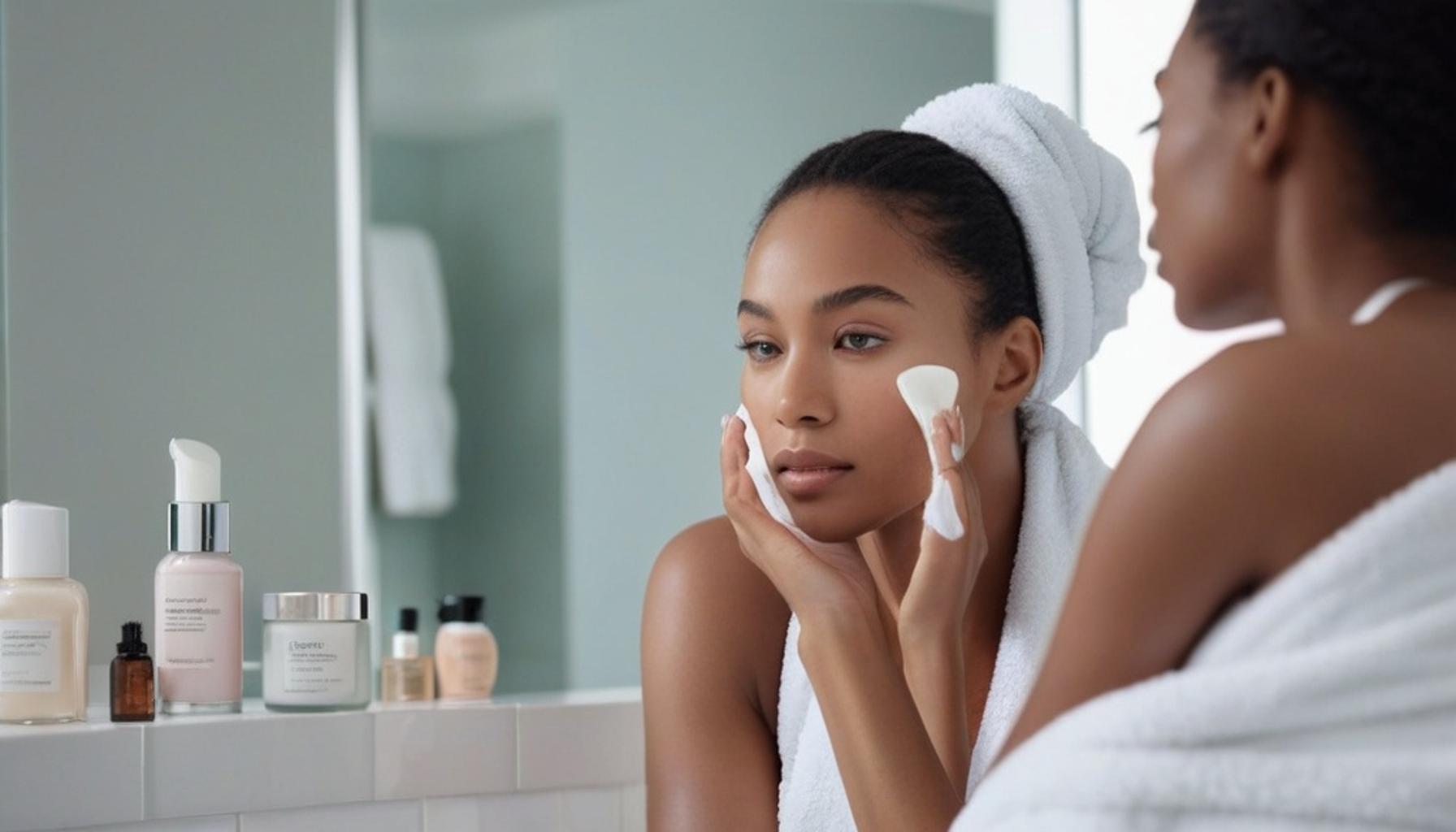
Dermatologists often recommend a straightforward method for how to identify skin type accurately, and it requires nothing more than a clean face and thirty minutes of patience.
- Wash your face with a gentle cleanser and pat dry, avoiding any moisturizer, serum, or makeup afterward
- Wait 30 to 60 minutes without touching your skin, applying products, or judging how it looks too early
- Observe the T-zone (forehead, nose, chin) for shine, which typically signals oil production
- Check the cheeks and around the eyes for tightness, flaking, or a dull, papery texture, which usually points to dryness
- Note any redness, itching, or stinging sensations, which often indicate sensitivity rather than a standard oil-dry classification
This simple test cuts through marketing noise. It’s the same baseline approach many estheticians use during initial consultations, before recommending a single product. Some professionals even suggest repeating this test across different seasons, since a person’s classification can shift from “combination” in spring to “dry” in the dead of winter, particularly in states like Minnesota or Colorado where indoor heating saps moisture from the air for months at a time.
Why Regional Climate Changes the Equation
Skin type isn’t purely genetic destiny. Someone who spent their twenties in humid New Orleans might develop noticeably different skin behavior after relocating to arid Phoenix. Humidity levels, air conditioning exposure, and even altitude all influence how much oil your skin produces and how well it retains moisture.
Consider the practical difference: residents of muggy Southern cities often report needing lighter, oil-controlling formulas year-round, while people in the drier Mountain West frequently reach for richer creams even during summer months. Air travel complicates things further—cabin humidity drops dramatically at 30,000 feet, which is why so many frequent flyers notice sudden dryness or breakouts after a long flight.
This is precisely why natural makeup tips for skin type can’t be one-size-fits-all advice pulled from a single YouTube tutorial. A foundation formula that performs beautifully in coastal California might slide right off in the sticky heat of a Georgia summer. Recognizing this variability is the first real step toward building a routine that adapts rather than fights against your environment, and it may be worth revisiting your skincare shelf every few months rather than assuming last year’s holy grail product still deserves that title.
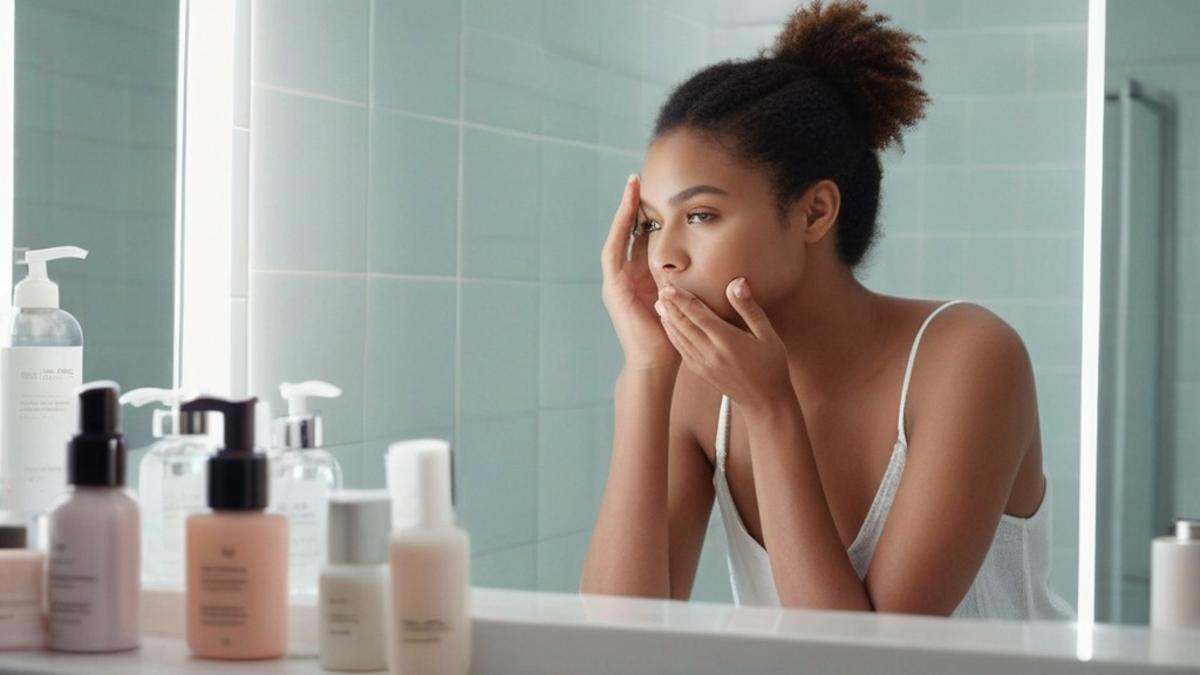
Identifying Your Skin Type: A Practical Breakdown
Understanding your skin type is the foundation of any successful natural makeup routine. Dermatologists estimate that nearly 70% of women misidentify their skin type, leading to poor product choices and makeup that fails to last. Learning how to identify skin type accurately through simple observation—like the blotting sheet test or the bare-face 30-minute wait test—can transform your entire beauty routine.
| Skin Type | Key Characteristics & Natural Makeup Approach |
|---|---|
| Oily Skin | Excess shine, enlarged pores; best natural makeup for oily skin includes mattifying primers and oil-free foundations. |
| Dry Skin | Flaky texture, tightness; makeup for dry skin requires hydrating bases and cream formulas to avoid caking. |
| Combination Skin | Oily T-zone, dry cheeks; combination skin makeup techniques involve multi-zone product application for balance. |
| Sensitive Skin | Redness, easily irritated; benefits from fragrance-free, hypoallergenic natural makeup tips for skin type-specific formulas. |
Once you master these distinctions, selecting foundation shades, concealers, and setting powders becomes significantly more intuitive and precise.
LEARN MORE: A Beginner’s Guide to Morning Skincare Routine and Makeup Application
# Matching Makeup Formulas to Your Skin’s Real Behavior
Once you’ve nailed down your classification, the next challenge is translating that knowledge into product choices that actually work. This is where most beauty routines go sideways—not from lack of effort, but from applying generic advice to a face with very specific needs.
Understanding your skin type means little if it doesn’t inform what ends up in your makeup bag. The formulation differences between products marketed for oily versus dry skin aren’t marketing gimmicks; they involve real changes in silicone content, oil percentage, and pigment-to-emollient ratios.
Best Natural Makeup for Oily Skin
For those managing excess shine, the best natural makeup for oily skin typically relies on mineral-based formulas rather than heavy liquid foundations. Ingredients like kaolin clay and silica absorb surface oil throughout the day without clogging pores the way some silicone-heavy products can.
- Look for foundations labeled “non-comedogenic” with a matte or semi-matte finish rather than dewy formulas that intensify shine by midday
- Powder-based blush and bronzer tend to grip better than cream versions, which can slide on active sebaceous zones
- Setting spray with a mattifying agent, applied in thin layers, outperforms heavy translucent powder for all-day wear
A common mistake involves over-correcting with blotting papers or frequent powder touch-ups, which can strip natural oils and trigger rebound production—the same cycle dermatologists warn about with harsh cleansers.
Makeup for Dry Skin: Rethinking Texture
On the opposite end, makeup for dry skin demands hydrating bases rather than powder-forward products, which tend to settle into flaky patches and emphasize texture rather than smooth it. Cream and liquid formulas containing hyaluronic acid or squalene help maintain a natural finish without that cakey look so many dry-skinned people dread.
- Skip loose powder almost entirely, or use it sparingly only in the T-zone
- Cream blush and lip products with built-in emollients tend to blend more seamlessly than matte alternatives
- A hydrating primer applied before foundation can prevent the product from clinging to rough patches around the nose and chin
Combination Skin Makeup Techniques
Combination skin remains the trickiest category, affecting an estimated 40 to 45 percent of adults according to various dermatological surveys. The solution isn’t picking one formula and hoping it balances out—it’s strategic layering.
Effective combination skin makeup techniques often involve using two different products in different zones: a mattifying formula across the forehead and nose, paired with a hydrating version on the cheeks and around the eyes. This zone-specific approach, sometimes called “multi-masking” in skincare circles, translates surprisingly well to makeup application.
Many makeup artists working backstage at fashion shows in New York and Los Angeles use this exact technique, applying blotting powder only where needed rather than dusting the entire face uniformly. It’s a small adjustment that prevents the flat, mask-like appearance that generic application often creates.
Conclusion: The Real Foundation of a Natural Look
At its core, understanding your skin type isn’t a one-time diagnosis—it’s an ongoing conversation with your own reflection. Skin shifts with seasons, hormones, humidity levels, and even stress, which means the oily patch you battled in July might behave differently come January in a place like Chicago or Minneapolis.
Knowing how to identify skin type gives you the vocabulary to shop smarter, but the real payoff comes from applying that knowledge consistently. The goal was never to memorize a category and stop there; it’s to keep observing how your face responds and adjust accordingly.
The most useful natural makeup tips for skin type concerns aren’t complicated rules—they’re small, informed choices. Choosing mineral powder over heavy liquid foundation. Swapping a mattifying primer for a hydrating one. Applying products in zones rather than blanketing the whole face uniformly.
- Revisit your skin classification every few months, especially with seasonal changes
- Test new products on a small area before committing to full-face application
- Pay attention to how makeup wears by midday, not just how it looks at 8 a.m.
Whether you’re managing shine with the best natural makeup for oily skin, softening texture with the right makeup for dry skin, or mastering combination skin makeup techniques that treat different zones differently, the underlying principle stays the same: work with your skin’s actual behavior, not against it.
A natural look was never about hiding skin—it’s about finally letting the right products work in harmony with what your skin is already doing.
Frequently Asked Questions
How can I tell if I have oily, dry, or combination skin at home?
Wash your face with a gentle cleanser and wait about 30 minutes without applying any products. If your T-zone looks shiny while your cheeks feel tight, you likely have combination skin; all-over shine points to oily skin, and tightness or flaking everywhere suggests dry skin. You can also press a clean tissue on different areas of your face to see how much oil transfers.
Why does understanding your skin type matter for a natural makeup look?
Choosing foundation, primer, and powder that match your skin type helps products blend seamlessly instead of sitting on top or sliding off. Oily skin needs mattifying, lightweight formulas, while dry skin benefits from hydrating, dewy ones, which keeps the finish looking like real skin rather than a mask. This alignment is what creates that effortless, natural appearance.
What makeup products work best for oily skin to keep it looking natural?
Opt for oil-free, matte or semi-matte foundations and lightweight, water-based primers that control shine without clogging pores. Setting powder in the T-zone and blotting papers throughout the day can maintain a fresh look without heavy touch-ups. Avoid thick, dewy formulas, as they can slide off and create excess shine.
How should I adjust my makeup routine if I have dry skin?
Prioritize a hydrating primer and a moisturizing, dewy or satin-finish foundation to prevent your makeup from looking cakey or emphasizing flaky patches. Cream-based blushes and highlighters blend more smoothly into dry skin than powder products. Also, make sure to moisturize thoroughly before applying makeup so it sits evenly.
Can my skin type change with the seasons, and how does that affect my makeup?
Yes, many people experience oilier skin in summer due to heat and humidity, while skin often becomes drier in winter from cold air and indoor heating. This means you may need a lighter, mattifying foundation in warmer months and a richer, hydrating one in colder months to maintain a natural finish. Paying attention to these shifts helps you avoid makeup that looks either too greasy or too dry.
What’s the difference between combination skin and sensitive skin when choosing makeup?
Combination skin refers to having both oily and dry areas, typically an oily T-zone with drier cheeks, which calls for using different product textures on different parts of the face. Sensitive skin, on the other hand, reacts to certain ingredients with redness or irritation regardless of oiliness or dryness, so it requires fragrance-free, hypoallergenic formulas. You can have combination sensitive skin too, meaning you’d need gentle products applied strategically across your face.

Anna Parker
Anna Parker is a writer and beauty expert specializing in skincare routines, cosmetic ingredients, and holistic self-care practices. With extensive experience helping individuals achieve healthy, radiant skin and make informed beauty choices, Anna shares her knowledge on our platform.