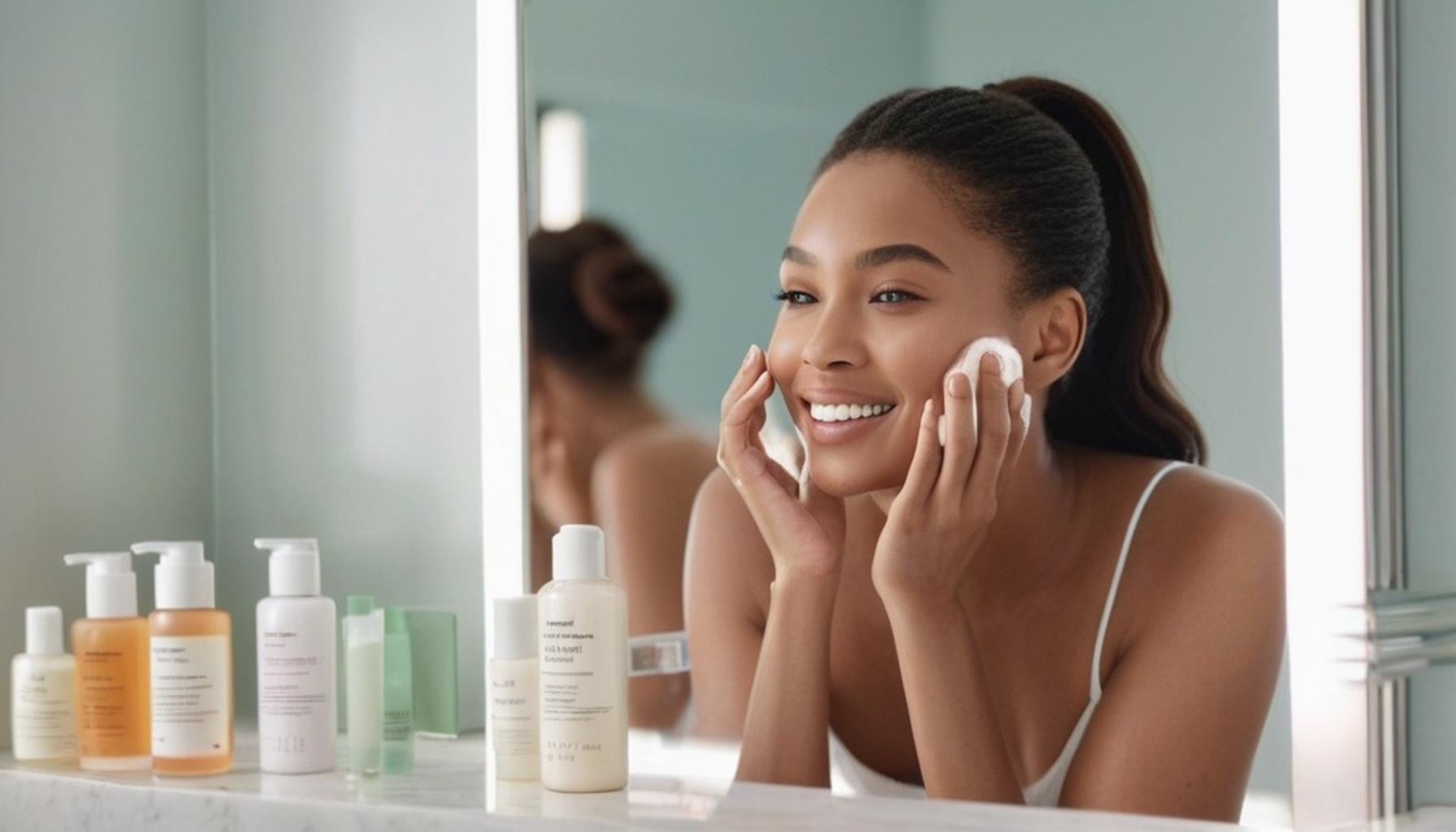
Discover Your Skin Type and Learn to Choose the Ideal Sunscreen

Why Your Skin Type Changes Everything About Sun Protection
Walk into any drugstore in America and you’ll face a wall of sunscreen bottles promising everything from oil control to wrinkle prevention. Target, CVS, Walgreens, the shelves stretch on for feet, each label shouting a different benefit. Choosing the ideal sunscreen isn’t about grabbing the highest SPF number on the shelf.
It starts with something most people skip entirely: understanding your own skin.
The Skin Type Factor Nobody Talks About
Dermatologists estimate that up to 70% of Americans use the wrong sunscreen formula for their skin type. That mismatch can mean breakouts, irritation, or worse, inadequate protection against UV damage. Think about it this way: a Texan spending hours outdoors in July heat has completely different skin needs than someone in Seattle dealing with overcast humidity year-round, yet both might be reaching for the same generic bottle.
Here’s what’s at stake when you skip this step:
- Oily skin paired with heavy, comedogenic formulas leads to clogged pores and persistent breakouts along the T-zone
- Dry skin exposed to alcohol-based sunscreens gets flakier and more irritated, sometimes triggering eczema flare-ups
- Sensitive skin reacting to chemical filters causes redness and stinging that can last for hours after application
- Combination skin struggling with one-size-fits-all products that satisfy neither zone, leaving the forehead shiny while the cheeks feel parched
Beyond the discomfort, there’s a bigger issue lurking beneath the surface. When sunscreen feels wrong on your skin, you’re less likely to apply enough of it, or reapply it at all. That single behavioral shift can be the difference between real protection and a false sense of security on a beach day in Florida or a hike through Colorado’s high altitude sun.
What This Guide Will Cover
This article breaks down exactly how to discover your skin type using simple at-home tests dermatologists actually recommend, no expensive consultations required.
You’ll also learn which ingredients matter most, whether you’re searching for the best sunscreen for oily skin, a gentle sunscreen for dry skin, or a reliable sensitive skin sunscreen that won’t trigger flare-ups. We’ll dig into specific ingredient lists, comparing zinc oxide against chemical filters like avobenzone, and explaining why that distinction matters more than most shoppers realize.
By the end, you’ll know exactly how to pick sunscreen that works with your skin, not against it, all summer long.
LEARN MORE: How to Create a Morning Skincare Routine: Tips for Beginners
# Identifying Your Skin Type: The Foundation of Smart Sun Care
The Five Skin Types That Determine Your Sunscreen Success
Before you can choose the ideal sunscreen, you need to know exactly what you’re working with. Dermatologists generally classify skin into five categories, and most people fall into one without ever realizing it. This isn’t just cosmetic trivia either. Skin type influences how sunscreen absorbs, how long it lasts, and whether it protects you effectively or simply sits on the surface doing very little.
The classic bare-faced test remains the gold standard for this. Wash your face with a gentle cleanser, pat dry, and wait one hour without applying any products. What happens next tells you almost everything. Dermatology clinics across the country still recommend this simple, no-cost method before suggesting any skincare routine, precisely because it removes guesswork from the equation.
- Skin that looks shiny across the forehead, nose, and chin, with visible pores, points to an oily skin type
- Skin that feels tight, looks flaky, or shows fine lines more prominently signals dry skin
- Skin that stays balanced, neither greasy nor tight, with minimal imperfections indicates normal skin
- Shine concentrated only in the T-zone while cheeks remain dry or normal reveals combination skin
- Skin that reddens, stings, or reacts to weather changes and new products suggests sensitive skin
Why This Matters More in Certain Climates
Geography plays a bigger role than most Americans assume. Someone living in Phoenix, where humidity often drops below 20% in summer, might notice their skin behaving differently than it would in New Orleans, where humidity regularly climbs above 70%. Even frequent travelers between the two cities report having to switch products entirely just to keep their skin comfortable.
Dry climates tend to pull moisture from skin, making normal skin types feel drier than usual. Humid environments can push naturally balanced skin into oily territory, especially during peak UV hours between 10 a.m. and 4 p.m., when protection matters most. Coastal cities add another layer of complexity, since salty air and constant sun exposure can accelerate both dryness and irritation simultaneously.
This is exactly why discovering your skin type isn’t a one-time task. Seasonal shifts, air conditioning, heating systems, and even altitude changes can temporarily alter how your skin behaves, which means your sunscreen needs might shift too. A formula that felt perfect in July could feel entirely wrong by January.
The Genetic Component Most People Overlook
Family history also plays a role here. If your parents dealt with persistent oily skin or eczema-related sensitivity, there’s a reasonable chance you’ll experience something similar. Researchers estimate that genetics account for roughly 60% of how your skin naturally produces oil and retains moisture, leaving environment and lifestyle to fill in the remaining gap.
Understanding this connection helps explain why generic sunscreen advice often falls flat. A formula praised by influencers online might work beautifully for someone with normal skin in a mild climate, yet cause breakouts or irritation for someone else entirely. Dermatologists increasingly emphasize that trends should never override personal skin data.
Once you’ve pinpointed your category, the next step becomes clearer: matching that skin type to specific formulas, whether that means hunting for the best sunscreen for oily skin or finding a sensitive skin sunscreen that won’t trigger redness. That distinction alone can transform sun protection from a frustrating guessing game into a routine that actually works.

SEE ALSO: Understanding Your Skin Type: Tips for Choosing the Best Toner and Essence
Matching Sunscreen Formulas to Your Specific Skin Needs
Knowing your skin type is only half the equation. The real transformation happens when you translate that knowledge into an actual product choice. Walk into any CVS or Target sunscreen aisle and you’ll face dozens of options, but not all of them belong on your face if you want results that actually last through a Saturday at the beach.
This is where most shoppers get stuck. They grab whatever bottle promises the highest SPF number, assuming that’s the only variable that matters. In reality, texture, ingredients, and formulation type matter just as much as the SPF figure printed on the front label. A dermatologist in Miami will often tell patients the same thing a skincare chemist in Los Angeles would confirm: the number on the front is meaningless if the formula underneath doesn’t match your skin’s actual behavior throughout the day.
What Works for Oily and Acne-Prone Skin
People searching for the best sunscreen for oily skin should prioritize lightweight, oil-free formulas labeled non-comedogenic. Gel-based sunscreens or those containing niacinamide tend to control shine while still delivering broad-spectrum protection. This matters especially in humid climates like Florida or Texas, where sweat and excess sebum can turn a heavy sunscreen into a slippery, pore-clogging mess by noon.
Mineral formulas with zinc oxide often work surprisingly well here too, despite the outdated myth that they always leave a thick residue. Modern micronized versions absorb far more smoothly than the chalky formulas sold a decade ago, making them a legitimate option for people who previously wrote off mineral sunscreens entirely.
- Look for terms like matte finish or oil-control on the label
- Avoid heavy creams or lotions with added oils
- Consider powder sunscreens for midday touch-ups without disturbing makeup
Solutions for Dry and Sensitive Skin Types
A good sunscreen for dry skin should function almost like a moisturizer with added protection. Ingredients such as hyaluronic acid, ceramides, and glycerin help lock in hydration while shielding against UV damage, which matters significantly in states like Colorado or Nevada, where dry air is a year-round reality rather than a seasonal issue.
For reactive skin, a dedicated sensitive skin sunscreen typically relies on mineral filters rather than chemical ones. Zinc oxide and titanium dioxide sit on top of the skin instead of absorbing into it, reducing the likelihood of stinging or redness. Dermatologists frequently point to this distinction when patients report irritation from mainstream chemical sunscreens containing avobenzone or oxybenzone. Fragrance-free versions add another layer of safety for anyone whose skin reacts unpredictably to scented products.
A Practical Framework for How to Pick Sunscreen
Beyond skin type alone, a few extra data points can sharpen your decision even further. Consider your daily routine, not just your weekend plans, since the sunscreen you wear during a five-minute walk to your car needs to work just as hard as the one you slather on before a day at the lake.
- Check the expiration date, since sunscreen effectiveness genuinely degrades after opening
- Confirm broad-spectrum labeling, which protects against both UVA and UVB rays
- Match SPF strength to your daily sun exposure, not just beach days
- Reapply every two hours if you’re outdoors, regardless of formula quality
Learning how to pick sunscreen this way turns a confusing drugstore trip into a targeted, evidence-based decision, one that accounts for your skin’s actual behavior rather than marketing claims printed on shiny packaging. The more consumers understand these distinctions, the more likely they are to actually stick with a product long enough to see real protective benefits, rather than abandoning it after one uncomfortable application.
LEARN MORE: How to Create a Morning Skincare Routine for Dry Skin
Bringing It All Together: Your Path Forward
Sunscreen shopping doesn’t have to feel like guesswork. Once you take the time to discover your skin type, every other decision becomes noticeably easier, whether you’re standing in a pharmacy aisle in Phoenix or browsing options online during a lunch break in Chicago.
The science here isn’t complicated once broken down. Oily skin thrives with lightweight, oil-free gels. Dry skin needs hydrating ingredients like ceramides and hyaluronic acid. Sensitive skin generally responds better to mineral filters than chemical ones. These aren’t arbitrary preferences; they’re patterns dermatologists see repeated in patients across every region of the country, from coastal humidity to high-altitude dryness.
Why This Knowledge Actually Matters
Skin cancer remains one of the most common and most preventable conditions in the United States, with the American Academy of Dermatology estimating that one in five Americans will develop it during their lifetime. That statistic alone should shift how seriously people treat their sunscreen routine, not as an afterthought squeezed in before beach trips, but as a daily habit woven into morning routines year-round.
Choosing correctly also means people are far more likely to actually use the product consistently. A sunscreen that feels greasy, stings the eyes, or clogs pores rarely survives past a single use, no matter how impressive its SPF rating looks on paper.
Final Thoughts on Smarter Sun Protection
Understanding how to choose the ideal sunscreen ultimately comes down to matching product to person, not chasing trends or marketing claims. The best sunscreen for oily skin won’t necessarily suit someone battling flaky patches, just as a rich sunscreen for dry skin could overwhelm someone prone to breakouts. A reliable sensitive skin sunscreen exists for a reason, and ignoring that distinction often leads to irritation that discourages consistent use altogether.
Mastering how to pick sunscreen is less about memorizing ingredient lists and more about paying attention to how your own skin responds over time. Consider this the starting point, not the finish line. The next step is testing, observing, and adjusting until protection becomes second nature rather than a chore, one sunny day at a time.
Frequently Asked Questions
How do I know if I have oily, dry, or combination skin before I choose the ideal sunscreen?
Wash your face and wait an hour without applying anything; if your skin looks shiny all over, it’s oily, while tightness or flaking signals dry skin, and shine only in the T-zone means combination skin. Knowing this helps you choose the ideal sunscreen texture, such as a gel for oily skin or a cream-based formula for dry skin. You can also use blotting paper to check oil levels throughout the day for more accuracy.
What SPF level should I choose the ideal sunscreen with if I have fair, sensitive skin?
People with fair or sensitive skin should choose the ideal sunscreen with at least SPF 30, though SPF 50 offers extra protection for very light or easily burned skin. Look for mineral-based formulas with zinc oxide or titanium dioxide, since they’re gentler and less likely to cause irritation. Always patch test a new product on your inner arm before applying it to your face.
Can I choose the ideal sunscreen for acne-prone skin without triggering breakouts?
Yes, to choose the ideal sunscreen for acne-prone skin, look for labels that say ‘non-comedogenic’ and ‘oil-free,’ which reduce the risk of clogged pores. Lightweight gel or fluid formulas with mattifying properties work best, and mineral sunscreens with zinc oxide can even help calm inflammation. Avoid heavy, greasy creams that can worsen breakouts.
Is there a difference in how I should choose the ideal sunscreen for my face versus my body?
Yes, facial skin is thinner and more prone to breakouts, so it’s best to choose the ideal sunscreen labeled specifically for the face, which tends to be lighter and non-comedogenic. Body sunscreens are usually thicker and more water-resistant, making them better suited for large areas exposed during outdoor activities. Using a facial sunscreen everywhere is fine, but body formulas on your face can feel heavy or clog pores.

Anna Parker
Anna Parker is a writer and beauty expert specializing in skincare routines, cosmetic ingredients, and holistic self-care practices. With extensive experience helping individuals achieve healthy, radiant skin and make informed beauty choices, Anna shares her knowledge on our platform.