How to Choose the Perfect Moisturizer to Prepare Your Skin Before Makeup
Why Your Foundation Keeps Failing You
That flawless, airbrushed look you see on Instagram doesn’t start with foundation. It starts with what you put on your skin 15 minutes before you even open your makeup bag.
Skin prep for makeup application is the secret step most beauty tutorials skip. Yet dermatologists agree it’s the single biggest factor separating a smooth, all-day finish from a patchy, cakey disaster. According to skincare professionals, up to 80 percent of makeup application problems trace back to inadequate skin preparation rather than the foundation formula itself.
The Real Cost of Skipping This Step
Choosing the wrong product doesn’t just waste money. It can actively sabotage your entire look, turning a promising morning routine into an afternoon of touch-ups and frustration.
- Foundation clings to dry patches, creating a flaky texture by noon
- Heavy formulas mix with oil, causing makeup to slide off by lunchtime
- Pores appear larger when skin isn’t properly hydrated first
- Concealer creases into fine lines within hours
- Makeup oxidizes and changes color when applied over unbalanced skin
Finding the perfect moisturizer for makeup isn’t about luxury pricing or trendy ingredients. It’s about matching your specific skin behavior to a formula that creates the ideal canvas. A twelve-dollar drugstore moisturizer with the right texture can outperform a hundred-dollar serum if it’s mismatched to your skin’s needs.
What This Guide Will Cover
Whether you’re dealing with an oily T-zone in humid Houston summers or dry winter skin in Chicago, the right approach exists. Climate plays a massive role in how your skin behaves throughout the day, and what works during a dry Denver winter will likely fail during a sticky New Orleans August. This guide breaks down how to choose moisturizer for makeup based on your unique skin type, climate, and makeup goals.
You’ll discover practical moisturizer tips before makeup, including ingredient checklists, application techniques, and product categories that actually work, from lightweight gel formulas to richer creams designed for long wear. No more guessing games at the beauty counter, and no more wondering why your foundation looked perfect in the mirror but fell apart by mid-afternoon.
SEE ALSO: Identifying Your Skin Type and Choosing the Ideal Sunscreen for a Simple Beauty Routine
Start By Decoding Your Skin’s Daily Behavior
Before you can find the perfect moisturizer for makeup, you need to understand what your skin actually does throughout the day. Not what you think it does. Not what it did in your twenties. What it’s doing right now, this season, in your climate.
Try this simple test dermatologists recommend: wash your face, apply nothing, and wait 30 minutes. Then observe. Shiny across the forehead and nose but normal on the cheeks? That’s combination skin. Tight, flaky, or dull all over? You’re likely dry. Shine appearing everywhere within that half hour window signals oily skin that needs a completely different approach.
The Four Categories That Determine Your Formula
Skincare brands love to complicate this, but skin essentially falls into four working categories when it comes to skin prep for makeup application.
- Oily skin: Produces excess sebum, especially in the T-zone, and needs lightweight, oil-free hydration
- Dry skin: Lacks natural oils, often feels tight, and requires richer, emollient formulas
- Combination skin: Oily in some zones, dry or normal in others, demanding a balanced or multi-product approach
- Sensitive skin: Reacts easily to fragrance or actives, needing fragrance-free, minimal-ingredient options
Here’s what most beauty counters won’t tell you: your category isn’t fixed. Skin shifts with hormones, seasons, sleep quality, and even stress levels. Someone with oily skin in July might need a different moisturizer for oily skin before makeup come January, when indoor heating strips moisture from the air.
Why Guessing Wrong Costs You All Day
Picking a moisturizer based on category alone, without considering how it interacts with foundation, is where most routines break down. A rich, ceramide-packed cream might feel luxurious on dry skin, but layer a matte liquid foundation on top and you’ll get pilling within minutes.
Estheticians who specialize in bridal and editorial makeup often say the same thing: the best moisturizer for makeup prep isn’t the one with the fanciest ingredient list. It’s the one whose texture disappears completely into skin before foundation ever touches it.
That disappearing act matters more than any marketing claim. If you can still feel product sitting on the surface after two full minutes, your foundation is about to fight for space on top of it. That friction is exactly what leads to pilling, patchiness, and the midday breakdown so many people blame on their foundation, when the real issue started one step earlier.
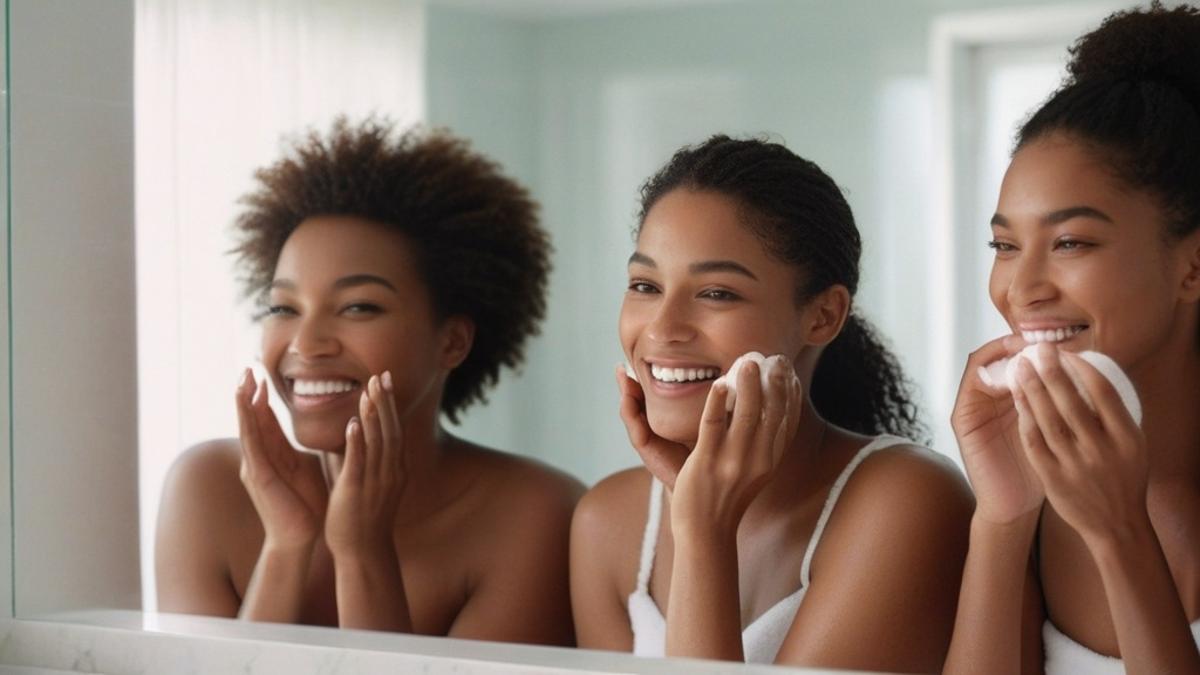
Key Aspects to Consider When Choosing the Perfect Moisturizer for Makeup
Finding the perfect moisturizer for makeup application involves more than grabbing any cream off the shelf. Below is a quick reference table highlighting the essential factors that influence how your skin prep performs under foundation and concealer.
| Category | Details & Benefits |
|---|---|
| Skin Type Match | Choosing moisturizer for oily skin before makeup versus dry skin formulas prevents flaking or excess shine. |
| Texture & Absorption | Lightweight gels absorb faster, supporting smooth skin prep for makeup application without pilling. |
| Key Ingredients | Hyaluronic acid and niacinamide are top hydrating products for makeup longevity and glow. |
| Application Timing | Waiting 2-3 minutes after applying follows essential moisturizer tips before makeup for better blending. |
SEE ALSO: A Beginner’s Guide to Morning Skincare Routine and Makeup Application
Match Ingredients to Function, Not Just Trends
Once you know your skin’s actual behavior, the next step in how to choose moisturizer for makeup is reading ingredient labels like a mechanic reads an engine. Every component has a job. Confusing a humectant with an emollient is where a lot of shopping mistakes begin.
Humectants like hyaluronic acid and glycerin pull water into the skin’s surface. Emollients like squalane and shea butter seal that water in and soften texture. Occlusives such as petrolatum or dimethicone create a barrier on top. A truly effective formula for skin prep for makeup application usually blends at least two of these categories, not just one.
The Silicone Question Nobody Explains Well
Dimethicone gets a bad reputation online, but it’s actually one of the most useful ingredients for makeup longevity. It fills fine lines and pores temporarily, creating the smooth canvas that foundation applicators glide across.
The catch: silicone-heavy moisturizers can clash with silicone-based primers, sometimes causing separation that looks like tiny beads forming on the skin. If your primer already contains dimethicone, choosing a water-based or gel moisturizer underneath prevents that layering conflict entirely.
What Oily Skin Actually Needs (Hint: Still Hydration)
One of the most persistent myths in skincare is that oily skin should skip moisturizer altogether. Dermatologists consistently push back on this. Skipping hydration often triggers skin to produce even more oil to compensate.
The right moisturizer for oily skin before makeup typically contains niacinamide, which helps regulate sebum production, paired with lightweight humectants instead of heavy butters. Gel-based textures absorb within 60 to 90 seconds, leaving zero residue for powder foundation to grab onto later.
Reading the Room: Climate and Season Matter More Than Marketing
A formula that performs beautifully in humid Florida summers can feel completely wrong during a dry Colorado winter. Indoor heating systems across the Midwest and Northeast can drop humidity levels below 30 percent, essentially mimicking desert conditions inside every home and office.
This is why smart moisturizer tips before makeup include seasonal rotation. Consider keeping two formulas on hand:
- A lightweight lotion or gel for warmer, humid months
- A richer cream with ceramides for colder, drier stretches
Among the most reliable hydrating products for makeup are those containing ceramides, since they reinforce the skin barrier without necessarily adding heaviness, making them adaptable across most seasons and skin types when formulated correctly.
The Final Layer of the Equation
Finding the perfect moisturizer for makeup isn’t about chasing the most expensive jar on the shelf or the product with the most viral reviews. It comes down to understanding what your skin does on an average Tuesday versus a humid summer afternoon, then choosing ingredients that respond to that specific behavior.
Throughout this guide, the pattern has been clear: how to choose moisturizer for makeup starts with observation, moves through ingredient literacy, and ends with seasonal flexibility. There’s no single formula that works forever, because skin itself isn’t static.
Small Adjustments, Bigger Payoff
The most effective moisturizer tips before makeup often involve minor tweaks rather than complete overhauls. Switching from a cream to a gel for three months out of the year. Waiting an extra sixty seconds before applying primer. Checking whether a formula contains silicone before layering another silicone product on top.
These details matter more than brand names. A well-executed routine for skin prep for makeup application can extend wear time by hours and reduce the midday touch-ups that derail an otherwise polished look.
Building a Routine That Actually Adapts
Consider treating moisturizer selection the way people treat their wardrobe: seasonal, situational, and never one-size-fits-all. The best hydrating products for makeup earn a permanent spot in a routine only after they’ve proven themselves across different conditions, not just one good day.
For anyone still relying on the outdated idea that a moisturizer for oily skin before makeup should be skipped entirely, the science says otherwise. Balanced hydration, not deprivation, is what keeps oil production in check.
Ultimately, the search for the best moisturizer for makeup prep ends not with a single perfect product, but with a habit of paying attention. That habit is what separates makeup that lasts from makeup that slides by noon.
Frequently Asked Questions
How do I choose the perfect moisturizer for makeup if I have oily skin?
Look for a lightweight, oil-free, gel-based moisturizer labeled non-comedogenic so it hydrates without adding shine. Ingredients like hyaluronic acid or niacinamide help control oil while keeping skin balanced. Avoid heavy creams, as they can break down foundation and cause it to slide throughout the day.
How long should I wait after applying moisturizer before putting on makeup?
Wait about 2 to 5 minutes to let the moisturizer fully absorb into your skin before applying foundation or primer. Applying makeup too soon can cause pilling or a greasy layer that prevents products from blending smoothly. If your skin still feels tacky, gently blot with a tissue before moving on.
Can the wrong moisturizer cause my makeup to look patchy or cakey?
Yes, using a moisturizer that’s too heavy, too light, or mismatched to your skin type is one of the main reasons makeup looks patchy or cakey. Dry patches grab onto powder products, while overly rich formulas mix with foundation and create a greasy texture. Choosing the perfect moisturizer for makeup means matching hydration levels to your skin’s actual needs each day.
Should I use a different moisturizer in summer versus winter to prep for makeup?
Yes, skin’s hydration needs change with the seasons, so a lighter, water-based moisturizer works better in summer to prevent excess oil and makeup slip. In winter, a richer, more emollient formula helps combat dryness and keeps foundation from looking flaky. Adjusting seasonally ensures your base stays smooth and long-lasting year-round.
Is a tinted moisturizer a good substitute for a regular moisturizer plus foundation?
A tinted moisturizer can work well for an everyday, low-maintenance look since it combines hydration with light coverage in one step. However, it typically doesn’t offer the same buildable coverage or longevity as a separate moisturizer and foundation combo. For special occasions or full-coverage needs, stick with a dedicated moisturizer followed by your preferred foundation.

Anna Parker
Anna Parker is a writer and beauty expert specializing in skincare routines, cosmetic ingredients, and holistic self-care practices. With extensive experience helping individuals achieve healthy, radiant skin and make informed beauty choices, Anna shares her knowledge on our platform.