Beauty Tips for Beginners: The Complete Guide to Skincare and Makeup
Starting Your Beauty Journey the Right Way
Standing in the beauty aisle at Target or scrolling through TikTok tutorials can feel overwhelming when you’re just starting out. With over 13,000 skincare and cosmetic products launched in the U.S. market each year, knowing where to begin makes all the difference. The sheer volume of choices, combined with conflicting advice from influencers and beauty brands alike, leaves many people frozen at the shelf, unsure whether they need a ten-step Korean skincare routine or a simple three-product approach.
This guide breaks down Beauty Tips for Beginners into simple, actionable steps anyone can follow. No fancy vocabulary, no expensive department store pressure—just real strategies that work. Think of this as the conversation you wish someone had with you before you spent forty dollars on a serum you didn’t need or layered three products that canceled each other out.
What You’ll Discover Inside
- A straightforward skincare routine for beginners using just five essential products, including a gentle cleanser, moisturizer, and broad-spectrum sunscreen that dermatologists consistently recommend
- Makeup tips for new users that simplify your morning routine to under 10 minutes, focusing on skin-like finishes rather than heavy coverage
- Budget-friendly picks under $20 that rival luxury brands, many of which you can find at drugstores like CVS or Walgreens
- Common mistakes that damage skin barrier health, such as over-exfoliating or skipping sunscreen because of cloudy weather
Whether you’re 16 or 60, building confidence starts with understanding your unique skin type and face shape. These easy beauty tips cut through industry jargon and marketing hype, replacing confusing terms like “microbiome-friendly” or “clean beauty” with practical explanations you can actually use when shopping.
This beginner skincare guide also connects you to trusted makeup tutorials for beginners that demonstrate techniques in real time, from blending foundation seamlessly to mastering a natural-looking brow. Because sometimes watching beats reading, especially when you’re trying to figure out how much product is actually enough.
Ready to transform confusion into a confident, personalized routine? Let’s dive into the fundamentals that actually matter, starting with the basics that every beauty expert agrees on, regardless of trends or price point.
CHECK OUT: Essential Beauty Habits: Choosing the Right Sunscreen for Your Makeup Routine
# Understanding Your Skin Before You Buy AnythingWalk into any drugstore or scroll through a beauty app for five minutes, and you’ll be bombarded with dozens of products promising clearer, smoother, more radiant skin. Before adding a single item to your cart, the smartest move in any beginner skincare guide is figuring out what you’re actually working with. Dermatologists generally classify skin into five categories: normal, oily, dry, combination, and sensitive. Guessing wrong here means wasted money and, sometimes, irritated skin that takes weeks to calm down.Here’s a quick way to test it at home: wash your face, pat it dry, and wait one hour without applying anything. Then check how your skin behaves.
- Oily skin will look shiny, particularly across the forehead, nose, and chin, an area commonly known as the T-zone
- Dry skin may feel tight, flaky, or show visible fine lines, especially around the eyes and mouth
- Combination skin shows oiliness in the T-zone but normal or dry patches on the cheeks
- Sensitive skin often reacts with redness, stinging, or itchiness to new products, sometimes within minutes
- Normal skin stays balanced, with minimal shine or dryness anywhere on the face
This five-minute test saves beginners from one of the most common mistakes: buying products formulated for the wrong skin type. A person with oily skin who uses a heavy, cream-based moisturizer marketed for “dry, mature skin” may end up dealing with clogged pores, breakouts, or an uncomfortable greasy film within days. On the flip side, someone with genuinely dry skin who reaches for oil-control gels aimed at acne-prone users could end up with cracked, irritated patches that sting in the shower.## Why Skin Type Changes the Entire GameSkin type isn’t permanent, either. Hormonal shifts, seasonal changes, and even stress can shift oil production and hydration levels almost overnight. Many dermatology clinics report that patients’ skin type classification changes at least once during their lifetime, which is why revisiting this simple test every few months matters, especially for anyone following a structured skincare routine for beginners. A college student stressed during finals week might notice sudden breakouts, while that same person could feel completely different by summer break.Climate plays a significant role too. Someone living in humid Florida faces different skin challenges than someone in dry, high-altitude Colorado. Humidity tends to increase oil production and sweat, while dry mountain air strips moisture faster, leading to flakiness even in people who normally have oily skin. That’s part of why national beauty advice sometimes falls short. What works for a beauty influencer in Los Angeles, where mild year-round weather is the norm, might not translate for someone dealing with harsh winters and blasting indoor heat in Minnesota.
Face Shape and Its Role in the Bigger Picture
Face shape matters as well, particularly when makeup enters the conversation. Oval, round, square, heart, and diamond shapes each respond differently to contouring and highlighting techniques. Recognizing your own shape prevents the frustration of trying to copy a viral tutorial that simply wasn’t designed for your bone structure, saving both time and product.Understanding these fundamentals, skin type, environmental factors, and face shape, forms the foundation for every product recommendation and technique that follows. Skip this step, and even the best easy beauty tips will feel like they’re not working the way they should, leaving many beginners more confused than when they started.

Essential Beauty Aspects for Beginners: A Quick Reference Table
Before diving deeper into the full beginner skincare guide, this table summarizes the core pillars every newcomer should master. From building a skincare routine for beginners to applying foundational makeup tips for new users, these categories form the backbone of any successful beauty journey.
| Category | Key Benefit |
|---|---|
| Cleansing Basics | Removes impurities twice daily, preventing clogged pores and breakouts common among beginners. |
| Moisturizing Habits | Locks in hydration, essential for maintaining skin barrier health throughout the day. |
| Sunscreen Application | Reduces premature aging and protects against UV damage, a must in any easy beauty tips list. |
| Foundation Matching | Creates a flawless base, boosting confidence for those exploring makeup tutorials for beginners. |
| Eye Makeup Basics | Enhances natural features with minimal effort, ideal for quick everyday looks. |
Each of these categories connects directly to broader Beauty Tips for Beginners strategies discussed throughout this guide, offering a structured path toward mastering both skincare and makeup fundamentals.
LEARN MORE: Best Makeup Essentials for Beginners: Choose Products for Your Skin Type in 2026
Building a Skincare Routine for Beginners That Actually Sticks
Once skin type is out of the way, the next challenge is structure. One of the biggest myths circulating on social media is that effective skincare requires ten steps and a shelf full of serums. In reality, dermatologists at the American Academy of Dermatology consistently point to a simpler formula: cleanse, treat, moisturize, protect. That’s it. A skincare routine for beginners doesn’t need to look like a Sephora haul to actually work, and in fact, overcomplicating things early on tends to backfire more often than it helps.
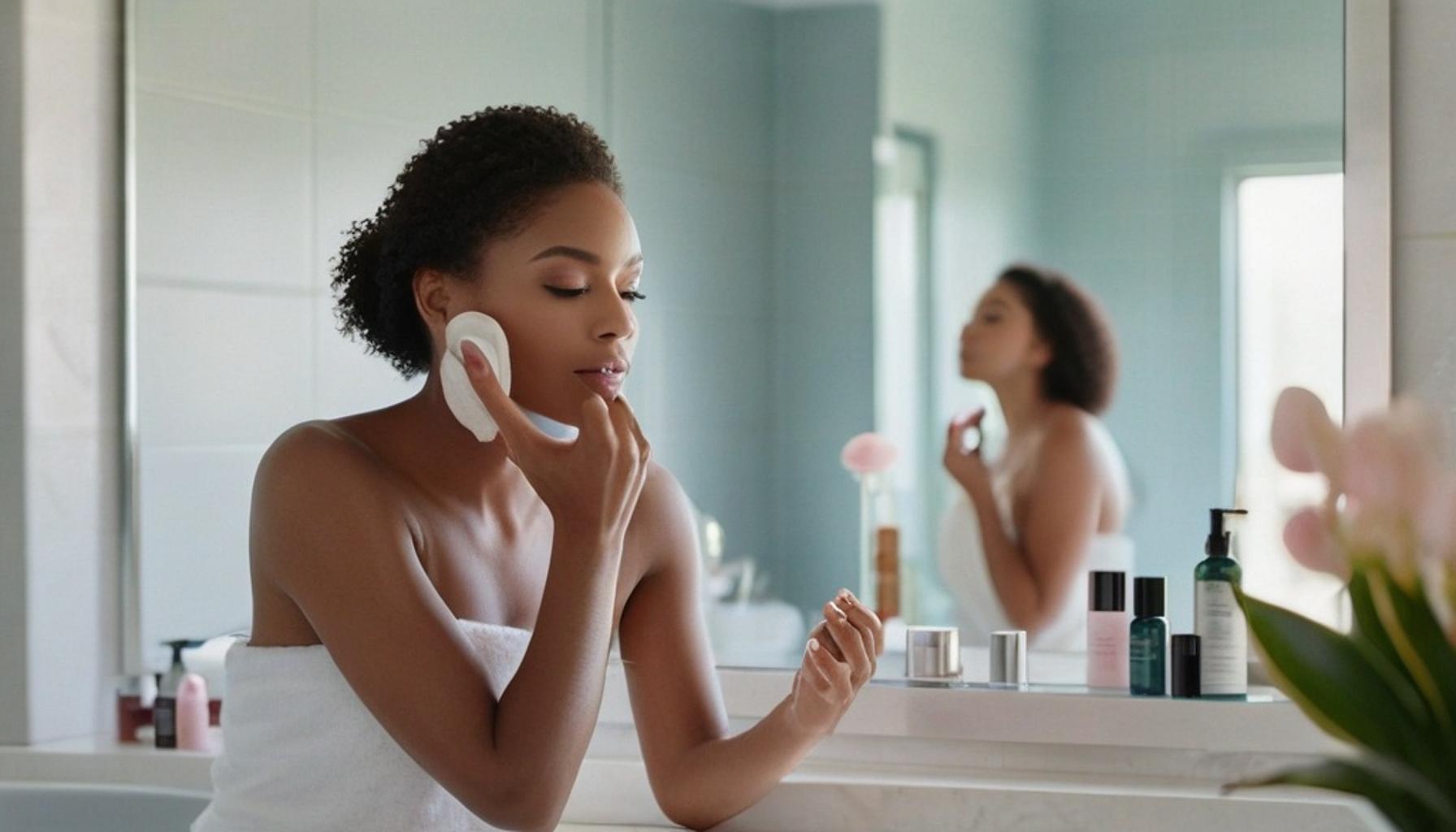
Mornings should focus on protection. A gentle cleanser, a lightweight moisturizer, and a broad-spectrum SPF 30 or higher form the baseline. Skipping sunscreen is arguably the single biggest mistake beginners make. According to the Skin Cancer Foundation, daily SPF use can reduce the risk of melanoma by nearly 50 percent, yet surveys show only about 30 percent of Americans apply it consistently. That gap is especially concerning in sun-heavy states like Florida, Arizona, and California, where UV exposure runs high year-round and dermatologists report seeing sun damage in patients decades before they’d expect it.
Evenings shift toward repair. This is when active ingredients like retinoids or exfoliating acids can be introduced, but only gradually. Jumping straight into a 2 percent retinol cream because an influencer swears by it often backfires, leading to redness, peeling, and a discouraged beginner who quits skincare altogether. Starting with a lower concentration, applying it two or three nights a week instead of daily, and building tolerance over several weeks tends to produce far better long-term results than an aggressive all-in approach.
Introducing New Products Without Overwhelming Your Skin
Patch testing sounds tedious, but it’s one of the most practical easy beauty tips available. Applying a small amount of new product to the inner forearm for 24 to 48 hours before using it on the face can prevent an unpleasant surprise, especially for anyone with a history of sensitivity or allergic reactions to fragrances and preservatives.
Beginners should also wait before layering multiple new products at once. Introducing one item every one to two weeks makes it far easier to identify what’s actually causing a breakout or irritation, rather than guessing among five new bottles purchased during the same shopping trip.
- Start with a fragrance-free cleanser to minimize reaction risk
- Add one active ingredient at a time, such as vitamin C or niacinamide
- Wait at least two weeks before judging whether a product works
- Always follow active ingredients with moisturizer to prevent dryness
- Keep a simple log noting when a product was introduced and how skin responded
Where Makeup Tips for New Users Come Into Play
Skincare and makeup aren’t separate categories, they work together. A well-prepped face allows foundation to sit smoothly instead of clinging to dry patches or sliding off oily zones by noon. This is where many makeup tutorials for beginners skip a crucial detail: product application only looks as good as the skin underneath it, and no amount of blending technique can fully compensate for flaky, dehydrated skin.
Primer, often dismissed as unnecessary, can extend makeup wear by hours, particularly in humid states like Texas or Louisiana where heat and moisture cause products to break down faster. For beginners still experimenting, starting with tinted moisturizer instead of full-coverage foundation reduces the learning curve considerably while still evening out tone. This lighter approach also allows newcomers to practice blending and color-matching without the pressure of achieving a flawless, full-coverage finish right away, building confidence before moving on to more advanced products.
SEE ALSO: Understanding Your Skin Type: The Key to Achieving a Natural Makeup Look
Putting It All Together: A Beginner Skincare Guide That Grows With You
Mastering beauty tips for beginners isn’t about memorizing every product on the market. It’s about understanding a handful of principles, skin type, patch testing, gradual introduction of actives, and letting those fundamentals guide every purchase that follows. The routines that last aren’t the flashiest ones; they’re the ones built slowly, with attention paid to how skin actually responds rather than what a trending video promises.
What makes this approach worth revisiting is how much it saves in both money and frustration. Dermatologists frequently note that a large percentage of product returns and skin reactions stem from rushing, layering too many actives, skipping SPF, or copying a ten-step routine without knowing why each step exists. A simpler, more deliberate skincare routine for beginners avoids most of that trial and error entirely.
The same logic extends to makeup. Makeup tips for new users work best when treated as an extension of skin health rather than a separate performance. Primer, lightweight coverage, and patience with blending techniques matter more in the long run than owning every shade in a palette.
For anyone just starting out, the most useful next step is practice paired with observation. Try one product, note the results, adjust, repeat. Whether the goal is finding a reliable beginner skincare guide to follow or working through makeup tutorials for beginners at a manageable pace, consistency will always outperform intensity.
Beauty, at its core, rewards curiosity more than perfection. The easy beauty tips covered throughout this guide aren’t a finish line, they’re a starting point for a routine that can evolve for years, adapting as skin changes with age, climate, and lifestyle. Those willing to keep learning, testing, and adjusting will likely find that skincare and makeup stop feeling like a chore and start feeling like informed, personal choices.
Frequently Asked Questions
What is the correct order to apply skincare products before makeup?
Start with a gentle cleanser, followed by toner if you use one, then serum, moisturizer, and finish with sunscreen during the day. Wait a few minutes for each layer to absorb before applying the next, and always let sunscreen set for a few minutes before starting makeup. This order ensures your skin is properly hydrated and protected so makeup applies smoothly.
What are the essential makeup products a beginner should buy first?
Beginners should start with a lightweight foundation or tinted moisturizer, concealer, mascara, a neutral eyeshadow palette, and a cream blush that can double as lip color. These versatile items let you build a natural everyday look without overwhelming your collection. As you gain confidence, you can add eyeliner, setting powder, and more specialized products.
How do I figure out my skin type before choosing skincare products?
Wash your face with a gentle cleanser and wait about an hour without applying anything else, then observe how your skin feels and looks. If it feels tight and flaky, you likely have dry skin; if it’s shiny all over, you probably have oily skin; and if only your T-zone shines while cheeks stay normal, you have combination skin. Sensitive skin often shows redness or irritation reacting to new products.
Do I really need sunscreen every day, even indoors?
Yes, sunscreen should be a non-negotiable daily step because UV rays can penetrate windows and cause premature aging and hyperpigmentation even without direct sun exposure. Applying a broad-spectrum SPF 30 or higher every morning is one of the simplest ways to prevent long-term skin damage. This single habit often makes the biggest difference in maintaining healthy skin over time.
How can I make my makeup last longer throughout the day, especially as a beginner?
Prep your skin with a lightweight primer after moisturizer to create a smooth base that helps makeup adhere better and last longer. Set your foundation and concealer with a translucent powder, focusing on oily areas like your T-zone, and finish with a setting spray to lock everything in place. Avoid touching your face throughout the day, as oils and dirt from your hands can break down makeup faster.

Anna Parker
Anna Parker is a writer and beauty expert specializing in skincare routines, cosmetic ingredients, and holistic self-care practices. With extensive experience helping individuals achieve healthy, radiant skin and make informed beauty choices, Anna shares her knowledge on our platform.